For 4K editing, storage speed and reliability can make or break your workflow. The right Thunderbolt RAID enclosure helps you move large files faster, scrub timelines more smoothly, and keep footage protected.
Below, we focus on practical options for editors who need strong performance, flexible RAID setups, and a balance of capacity, noise, and value.
Best 10 Thunderbolt Raid Enclosures for 4K Editing Picks for 2026
Best for Fast RAID Performance
OWC ThunderBay 4 Thunderbolt 40Gb/s RAID Enclosure

- Up to 1527MB/s sustained speed
- RAID 0/1/4/5/1+0 support
- Quiet aluminum chassis with dual Thunderbolt 3 ports
Best For: Editors who need fast, configurable RAID storage for 4K workflows.
Best for Heavy 4K Renders
SanDisk Professional G-RAID Project 2 24TB

- Thunderbolt 3 speeds for demanding edit workflows
- Dual 7200RPM drives in RAID 0 for fast transfers
- PRO-BLADE slot adds flexible expansion
Best For: Editors who need a fast, high-capacity desktop RAID for 4K projects and media-heavy workflows.
Best for Fast Single-Drive Transfers
MOKiN 80Gbps M.2 NVMe Enclosure

- 80Gbps-class Thunderbolt 5/4/3 and USB4 support
- Built-in fan plus LCD for better monitoring
- Fits NVMe 2280/2260/2242/2230 drives up to 8TB
Best For: Creators who want a compact, ultra-fast external NVMe enclosure for scratch disks and project files.
Best for High-Capacity 4K Workflows
OWC ThunderBay 8 8-Bay RAID Enclosure

- Eight bays for large RAID arrays and growing media libraries
- Dual Thunderbolt 3 ports for daisy-chaining and workflow flexibility
- SoftRAID Premium included for RAID 0/1/4/5/10 management
Best For: Editors who need a spacious, flexible Thunderbolt RAID enclosure for large 4K projects.
Best for RAID Flexibility
OWC ThunderBay 4 Thunderbolt 3 RAID Enclosure
- Four-bay enclosure for expandable editing storage
- RAID 0/1/4/5/10 support for versatile workflows
- Includes SoftRAID Premium with 3-year subscription
Best For: Editors who want configurable RAID storage with strong performance and bundled management software.
Best High-Speed Single-Drive Option
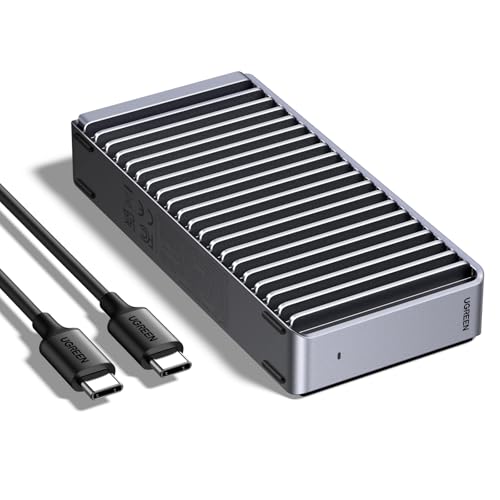
- Up to 3600MB/s claimed throughput
- Fanless aluminum cooling design
- Supports NVMe drives up to 8TB
Best For: Portable editing setups that need a fast, quiet single-drive enclosure.
Best for High-Capacity RAID
JEYI 4-Bay NVMe RAID Enclosure
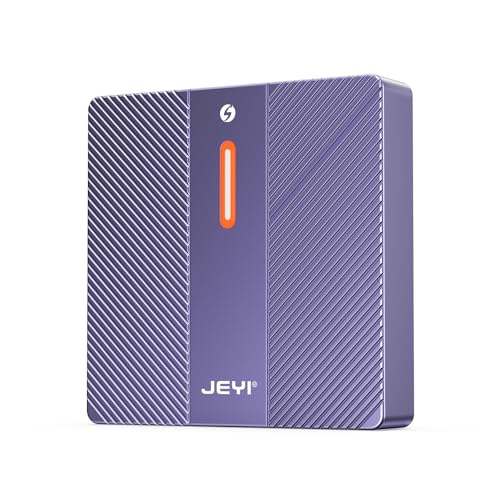
- 40Gbps Thunderbolt 3/4 and USB4 support
- RAID 0/1/5/JBOD options with compatible systems
- Active cooling and up to 32TB total capacity
Best For: Editors who need a high-capacity 4-bay RAID enclosure for fast NVMe workflows.
Best Hybrid RAID Pick
ACASIS 4-Bay Thunderbolt/USB4 RAID Enclosure

- Hybrid HDD + NVMe bays for both speed and capacity
- Up to 40Gbps over USB4/Thunderbolt with supported RAID
- Active cooling and 96W power for steadier long-session use
Best For: Editors who want one flexible enclosure for active NVMe projects and larger HDD archives.
Best for Fast RAID Performance – OWC ThunderBay 4 Thunderbolt 40Gb/s RAID Enclosure
If you’re comparing thunderbolt raid enclosures for 4k editing, the OWC ThunderBay 4 is built for high-speed, multi-drive storage with flexible RAID modes and dual Thunderbolt 3 ports. Its aluminum chassis helps keep noise and heat down, while support for both 3.5-inch and 2.5-inch drives makes it easy to scale capacity or speed for a video workflow.
Best For: Editors who want a quiet, configurable Thunderbolt RAID enclosure for 4K timelines, media libraries, and fast scratch storage.
Pros:
- Up to 1527MB/s sustained performance for demanding editing workflows
- Supports RAID 0/1/4/5/1+0 for speed, redundancy, or balance
- Works with 3.5-inch and 2.5-inch drives without an adapter
- Quiet, heat-dissipating aluminum enclosure
Cons:
- Drives are not included, so total cost can rise quickly
- RAID setup may be more than casual users need
For editors who need a dependable, configurable storage box, this is a strong fit among thunderbolt raid enclosures for 4k editing. It leans more toward performance and flexibility than simplicity, which makes it especially appealing for growing post-production setups.
Best for Heavy 4K Renders – SanDisk Professional G-RAID Project 2 24TB
If you want one of the more capable thunderbolt raid enclosures for 4k editing, the SanDisk Professional G-RAID Project 2 leans hard into speed, capacity, and flexibility. Its dual 7200RPM enterprise drives ship in RAID 0 for fast transfers, while Thunderbolt 3 and USB 3.2 Gen 2×1 support make it easy to slot into a modern edit bay.
Best For: Editors who need a fast, high-capacity desktop RAID for large 4K projects, active media storage, and quick offload workflows.
Pros:
- Thunderbolt 3 interface delivers strong performance for editing and large transfers
- Dual 7200RPM Ultrastar drives with RAID 0 support for faster read/write speeds
- PRO-BLADE SSD Mag slot adds an easy path to boost capacity or speed
- Up to 48TB max capacity for big project libraries and backups
Cons:
- RAID 0 prioritizes speed over redundancy, so it is not a safety-first setup
- Desktop-oriented design is less portable than single-drive alternatives
- Top performance depends on using the right Thunderbolt connection
For creators comparing thunderbolt raid enclosures for 4k editing, this model stands out for pairing enterprise-class drives with practical expandability. It is a strong fit when you want a fast working drive first and a backup plan second.
Best for Fast Single-Drive Transfers – MOKiN 80Gbps M.2 NVMe Enclosure
If you want one of the fastest portable options to pair with a Mac or PC for creative work, this MOKiN enclosure is a strong pick. It’s not a full multi-bay RAID box, but it can still make sense in a roundup of thunderbolt raid enclosures for 4k editing when you care more about high-speed scratch storage than a traditional array.
Best For: Editors and creators who need a compact, high-bandwidth external NVMe enclosure for fast project files, cache, and scratch disks.
Pros:
- 80Gbps-class connection with Thunderbolt 5/4/3 and USB4 support for very fast transfers
- Cooling fan and LCD display help with thermal management and quick status checks
- Supports multiple M.2 sizes and SSDs up to 8TB for flexible storage builds
Cons:
- Single-drive enclosure, so it does not offer RAID redundancy or RAID striping
- Performance depends heavily on the SSD you install and the host port used
- Fan noise may be noticeable in quiet edit suites
For editors who need maximum portable speed in a small footprint, this enclosure is a practical alternative to larger thunderbolt raid enclosures for 4k editing. It’s best viewed as a high-performance external NVMe drive rather than a multi-disk RAID system.
Best for High-Capacity 4K Workflows – OWC ThunderBay 8 8-Bay RAID Enclosure
If you need one of the most expandable thunderbolt raid enclosures for 4k editing, the OWC ThunderBay 8 is built for large media libraries, fast multitasking, and serious RAID flexibility. With eight universal drive bays, dual Thunderbolt 3 ports, and SoftRAID Premium included, it’s a strong fit for editors who want room to grow without constantly swapping storage.
Best For: Editors and content teams who need a high-capacity Thunderbolt enclosure for RAID 5, RAID 0, or mixed SSD/HDD storage.
Pros:
- Eight drive bays support large-capacity RAID arrays for 4K timelines and archives
- Dual Thunderbolt 3 ports make daisy-chaining easy in busy studio setups
- SoftRAID Premium adds flexible RAID management across Mac and Windows
- Tool-free trays and included cable simplify setup and drive swaps
Cons:
- Overkill for editors who only need a compact two- or four-bay solution
- Drives are sold separately, so total system cost can climb quickly
This is a storage-first enclosure aimed at users who value expansion, redundancy, and workflow stability over portability. For large projects, shared media, or future-proof thunderbolt raid enclosures for 4k editing, the ThunderBay 8 offers a lot of headroom.
Best for Fast Single-Drive Editing – SABRENT USB4 NVMe Enclosure
If you want portable storage that can keep up with demanding timelines, this SABRENT USB4 enclosure is a strong fit for thunderbolt raid enclosures for 4k editing workflows where speed and simplicity matter. It delivers up to 3,900 MB/s over USB4 and solid Thunderbolt 3/4 performance, making it a practical choice for fast scratch disks, project libraries, and on-the-go media transfers.
Best For: Editors and creators who need a very fast, tool-free external NVMe enclosure for portable 4K workflows.
Pros:
- Very high transfer speeds with USB4 and Thunderbolt 3/4 compatibility
- Tool-free install supports common NVMe sizes from 2230 to 2280
- Active cooling helps maintain performance during long file transfers
- Works across Windows and macOS without extra drivers or power
Cons:
- Does not support SATA M.2 drives
- Not a true RAID enclosure, so it’s better for single-drive portability than multi-drive arrays
For buyers comparing thunderbolt raid enclosures for 4k editing, this isn’t the multi-bay RAID solution itself, but it does deliver the kind of speed and reliability many editors need for a compact single-drive setup. If you want simple, fast external NVMe storage instead of a larger RAID box, it’s an excellent option.
Best for RAID Flexibility – OWC ThunderBay 4 Thunderbolt 3 RAID Enclosure
If you want one of the more capable thunderbolt raid enclosures for 4k editing, the OWC ThunderBay 4 stands out for its four-bay design, fast Thunderbolt 3 connection, and wide RAID support. It’s built for editors who need flexible storage that can scale with spinning drives or SSDs while keeping workflows smooth.
Best For: Editors and creative pros who want configurable RAID storage with strong performance and bundled management software.
Pros:
- Up to 1527MB/s sustained performance for demanding edit workflows
- Supports RAID 0, 1, 4, 5, and 10 for flexible setup options
- Works with both 3.5-inch and 2.5-inch drives without adapters
- Includes SoftRAID Premium for easier array creation and monitoring
Cons:
- Drives are not included, so total cost can rise quickly
- Best performance depends on using fast drives and a compatible system
For buyers comparing thunderbolt raid enclosures for 4k editing, this is a strong choice if you value flexibility, software support, and upgradeable capacity over an all-in-one SSD solution. It’s especially appealing for editors building a reliable long-term RAID setup.
Best High-Speed Single-Drive Option – UGREEN 40Gbps NVMe Enclosure
If you want a fast, compact external SSD solution rather than a full RAID box, this UGREEN enclosure is a strong pick for thunderbolt raid enclosures for 4k editing workflows that still benefit from maxed-out single-drive speed. With a 40Gbps USB4/Thunderbolt 3/4 connection and up to 3600MB/s claimed throughput, it can help move large footage files, proxies, and project assets quickly when paired with the right NVMe drive and cable.
Best For: Editors who need a portable, fanless NVMe enclosure for fast scratch storage, transfers, and on-the-go 4K workflows.
Pros:
- Up to 3600MB/s claimed speed with USB4 and Thunderbolt 3/4 support
- Fanless aluminum design with double-sided fin cooling for quiet operation
- Supports common M.2 NVMe sizes up to 8TB for large media libraries
- Compact and travel-friendly for mobile editing setups
Cons:
- Not a RAID enclosure, so it won’t provide striped multi-drive performance
- Thunderbolt 4 cables/devices are needed to hit peak speeds
- NVMe-only design; no support for SATA or mSATA drives
For creators comparing thunderbolt raid enclosures for 4k editing, this is the better fit if you value simplicity, silence, and speed in a single-drive package instead of RAID redundancy or multi-disk expansion. It’s a practical choice for portable edits, cache work, and fast media offloads.
Best for High-Capacity RAID – JEYI 4-Bay NVMe RAID Enclosure
If you want one of the more storage-dense thunderbolt raid enclosures for 4k editing, the JEYI 4-bay enclosure is built for fast multi-drive workflows and flexible RAID options. With Thunderbolt 3/4 and USB4 support, it can move footage quickly while the aluminum body and turbo fan help keep SSDs stable during long transfers and timeline work.
Best For: Editors who want a 4-bay Thunderbolt enclosure with RAID support and room for large NVMe libraries.
Pros:
- Thunderbolt 3/4 and USB4 support with up to 40Gbps connectivity
- Flexible RAID modes, including RAID 0, RAID 1, and RAID 5 on Windows
- Active cooling with aluminum shell, thermal pads, and adjustable fan speeds
- Massive 32TB maximum capacity across four NVMe drives
Cons:
- RAID setup requires a Thunderbolt or USB4 connection
- AMD compatibility may vary on some USB4/Thunderbolt systems
- Best results depend on using compatible NVMe SSDs and host hardware
For creators comparing thunderbolt raid enclosures for 4k editing, this JEYI model stands out for capacity and cooling more than simplicity. It makes the most sense if you need fast, redundant storage for large project files and are comfortable matching the enclosure with the right host port and drives.
Best Hybrid RAID Pick – ACASIS 4-Bay Thunderbolt/USB4 RAID Enclosure
If you want one enclosure that can handle both fast active projects and long-term storage, this ACASIS model is a strong fit for thunderbolt raid enclosures for 4k editing. Its hybrid layout combines HDD bays for capacity with NVMe bays for speed, so you can keep raw footage, backups, and working files in one setup.
Best For: Editors who need a flexible Thunderbolt/USB4 enclosure for mixed HDD archive storage and fast NVMe project drives.
Pros:
- Hybrid 4-bay design gives you both high-capacity HDD storage and faster NVMe workflow storage.
- Supports USB4 and Thunderbolt 3/4/5, with up to 40Gbps speeds in the right RAID configuration.
- Active cooling and a 96W power supply help keep performance stable during long sessions.
Cons:
- Full 40Gbps performance depends on RAID mode and compatible Thunderbolt/USB4 ports.
- The mixed HDD/NVMe design is flexible, but setup is more complex than a simple single-bay dock.
For creators comparing thunderbolt raid enclosures for 4k editing, this ACASIS unit stands out for versatility rather than pure simplicity. It is especially appealing if you want one enclosure that can scale from fast editing storage to large archive volumes without buying separate devices.
Best Dual-Display Pick – ACASIS 40Gbps Dual-Bay NVMe RAID Dock
If you want a compact dock that doubles as fast storage and a display hub, this ACASIS unit is a strong fit for thunderbolt raid enclosures for 4k editing. It combines dual NVMe bays, 40Gbps connectivity, dual-monitor outputs, and active cooling, making it more versatile than a plain enclosure for desktop editors who need both speed and ports.
Best For: Editors and Mac mini or laptop users who want a dual-bay Thunderbolt/USB4 dock with RAID support and monitor expansion.
Pros:
- Dual NVMe bays with software RAID 0 support for faster scratch and project storage
- 40Gbps Thunderbolt 4/3 and USB4 compatibility for high-speed workflows
- Built-in fan and aluminum body help manage heat during long editing sessions
- Extra I/O, including HDMI, USB-A, two 40Gbps USB-C ports, and 100W PD
Cons:
- Requires a true 40Gbps host to reach full performance
- Dual-bay RAID setup is more complex than a single-drive enclosure
- Best features are most useful on a desktop-style setup, not a minimalist travel rig
For creators comparing thunderbolt raid enclosures for 4k editing, this is a practical all-in-one option if you value storage expansion, cooling, and extra ports over the simplicity of a basic drive enclosure.
How We Picked These Thunderbolt Raid Enclosures for 4K Editing
We prioritized enclosures that suit real editing workloads: sustained transfer performance, Thunderbolt 3/4 compatibility where relevant, stable cooling, RAID flexibility, and enough drive support for active projects or larger media libraries. We also weighed ease of setup, macOS and Windows compatibility, and whether the design makes sense for a desktop edit bay.
Quick Comparison
In this group, 4-bay models are the sweet spot for many editors because they balance speed, redundancy, and cost. 8-bay units are better for heavier archives or shared studio use. Single- and dual-bay NVMe options can be excellent for scratch disks, proxies, or fast project drives, but they are not a replacement for high-capacity RAID storage.
Key Buying Factors for Thunderbolt Raid Enclosures for 4K Editing
Drive Type and RAID Goal
Choose HDD-based RAID if you need the lowest cost per terabyte and large capacity for source media. Choose NVMe-based enclosures if speed is the priority for active projects, cache, or working files. RAID 0 maximizes speed, while RAID 5 or mirrored setups provide better fault tolerance for critical footage.
Thunderbolt Bandwidth and Real-World Speed
For Thunderbolt Raid Enclosures for 4K Editing, rated interface speed matters, but sustained performance matters more. A fast interface helps, but real editing performance depends on controller quality, drive choice, and thermal management under long transfers.
Cooling and Acoustic Behavior
Editing sessions can run for hours, so effective cooling is essential to avoid throttling. Fan-based units often sustain higher performance, while fanless designs can be quieter but may be better suited to lighter workloads or NVMe-only setups.
Capacity, Expandability, and Data Protection
Think about today’s projects and next year’s storage needs. If you regularly handle multi-camera 4K footage or long-form projects, larger bay counts can reduce management headaches. If the footage is mission-critical, favor RAID levels that preserve data after a drive failure.
Who Should Buy Which Thunderbolt Raid Enclosures for 4K Editing?
If you want the best all-around desktop storage for active editing, a 4-bay Thunderbolt RAID enclosure is usually the most practical choice. If you need maximum capacity for a growing media archive, consider an 8-bay unit. If you want ultra-fast scratch storage or a portable project drive, a Thunderbolt NVMe enclosure is the better fit. Studios that split work between editing, backup, and shared access may benefit most from a RAID enclosure with software control, robust cooling, and easy drive replacement.