Tracking your heart rate does not have to require an expensive sports watch or subscription. The best budget heart rate monitors can provide useful workout data through chest straps, fitness trackers, and Bluetooth or ANT+ connections.
This roundup compares ten affordable options for indoor training, cycling, running, gym sessions, and everyday activity tracking. Use the guide below to match features, compatibility, and wearing comfort to the way you exercise.
Best 10 Budget Heart Rate Monitors Picks for 2026
Best Budget Chest Strap
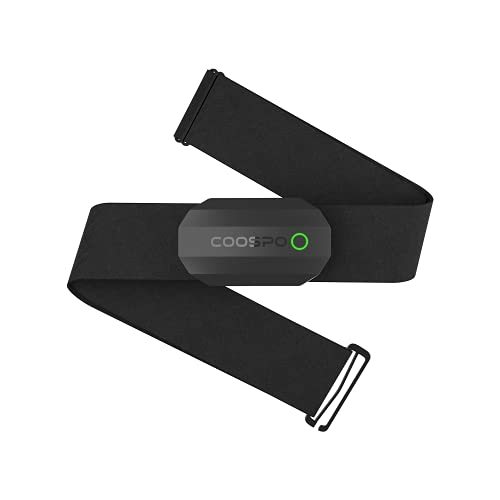
- Bluetooth and ANT+ connectivity
- Up to 300 hours of battery life
- IP67 water resistance
Best For: Multi-device workouts and app-based training
Best No-Phone Tracker

- Works without an app or phone
- Tracks heart rate and sleep
- Five- to seven-day battery life
Best For: Simple everyday fitness tracking
Best Long-Battery Monitor

- Up to 800 hours of battery life
- ANT+ and Bluetooth support
- IP67 water resistance
Best For: Frequent running, cycling, and indoor training
Best Established Brand
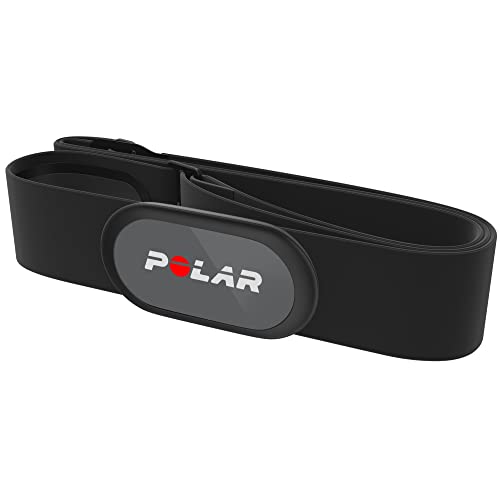
- Compatible with HRM equipment and apps
- Approximately 400 hours of battery life
- Two-year manufacturer warranty
Best For: App-connected training with a recognized brand
Best Value Chest Strap
POWR LABS Bluetooth ANT+ Heart Rate Monitor
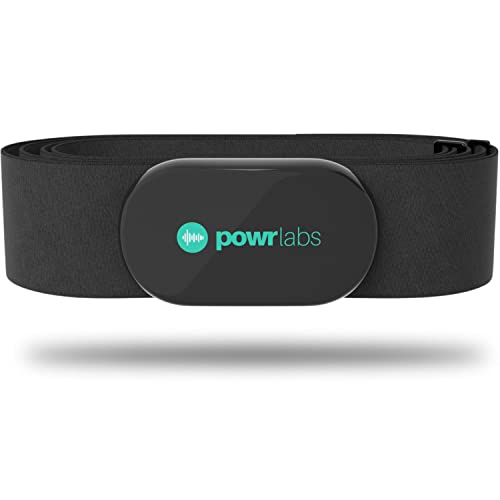
- Dual Bluetooth and ANT+ connectivity
- 400+ hours of replaceable-battery life
- Soft, adjustable, IPX67-rated strap
Best For: Cyclists and athletes seeking broad compatibility and low-maintenance tracking
Best Budget Smartwatch
24/7 Heart Rate Fitness Tracker

- 24/7 heart-rate and sleep tracking
- 25 sports modes with connected GPS
- AMOLED display and up to 7-day battery
Best For: Everyday wellness tracking and smartwatch-style notifications
Best for Connected Training
COOSPO H6 Bluetooth ANT+ Chest Strap
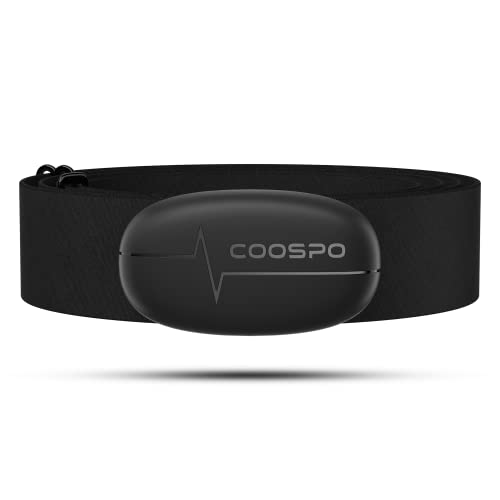
- Bluetooth and ANT+ dual-mode connection
- Works with apps, watches, bikes, and gym equipment
- 300-hour replaceable-battery life
Best For: Multi-device cycling, gym, and app-based workouts
Best All-Day Tracker
Zeacool 24/7 Heart Rate Fitness Tracker

- Tracks heart rate plus blood oxygen, blood pressure, sleep, and temperature
- Includes 25 sport modes and 5 ATM waterproofing
- Claims up to 10–14 days of regular-use battery life
Best For: Everyday wellness tracking on a budget
Best Chest Strap Value

- Supports both ANT+ and Bluetooth connections
- Stated 1,000-hour battery life for extended use
- Works with compatible apps, bike computers, watches, and fitness equipment
Best For: Exercise-focused heart-rate transmission
Best Feature-Packed Watch
Smart Watch with 115 Sports Modes

- Tracks heart rate, blood oxygen, blood pressure, sleep, and activity
- Includes 115 sports modes and a 1.47-inch color touchscreen
- Adds notifications, reminders, phone GPS connectivity, and IP68 waterproofing
Best For: Multi-purpose fitness and smartwatch use
Best Budget Chest Strap – COOSPO H808S
The COOSPO H808S is a practical choice among budget heart rate monitors for users who want a chest-strap sensor with both Bluetooth and ANT+ connectivity. Its replaceable battery is rated for up to 300 hours, and it works with a broad selection of fitness apps, watches, bike computers, and training equipment.
Best For: Multi-device workouts, cycling, running, and app-based training.
Pros:
- Supports both Bluetooth 4.0 and ANT+ connections.
- Works with apps and devices including Peloton, Strava, Zwift, Wahoo Fitness, and Polar Beat.
- IP67 waterproof rating and approximately 300 hours of battery life.
- LED indicators and a beep help confirm operating status.
Cons:
- Requires moistening the electrode zones before use.
- The strap is recommended for replacement after six months or 300 washes.
- Connection should be made through the fitness app rather than the phone’s Bluetooth settings.
For shoppers who prefer a traditional chest strap and need flexible connectivity, the H808S offers a useful combination of compatibility, water resistance, and low-maintenance battery operation.
Best No-Phone Tracker – LIVIKEY LK-F1 Fitness Tracker
The LIVIKEY LK-F1 stands out among budget heart rate monitors for its watch-style design and no-app, no-phone-required setup. It tracks heart rate, steps, sleep, calories, distance, and activity time, while offering nine sport modes and a battery life of approximately five to seven days.
Best For: Everyday activity tracking for users who want a simple standalone fitness watch.
Pros:
- Can be used without an app or smartphone connection.
- Tracks heart rate, sleep, steps, calories, distance, and active time.
- Includes nine sport modes plus alarms, a stopwatch, and sedentary reminders.
- IP68 water resistance is suited to sweat, handwashing, and rainy conditions.
Cons:
- It cannot make calls or send texts.
- It is not compatible with tablets or computers.
- GPS functionality is provided through a smartphone.
This is a better fit for basic daily wellness tracking than specialized training analysis. Its standalone operation makes it convenient for users who want to avoid a more involved phone setup.
Best Long-Battery Monitor – GEOID HS500 Chest Strap
The GEOID HS500 is one of the more convenient budget heart rate monitors for frequent training, thanks to its stated 800-hour battery life and replaceable CR2032 cell. This chest-strap sensor supports ANT+ and Bluetooth, connects with many sports devices and apps, and carries an IP67 waterproof rating.
Best For: Regular runners, cyclists, and indoor trainers who want long battery intervals.
Pros:
- Offers up to 800 hours of battery life with a replaceable battery.
- Supports ANT+ and Bluetooth connections.
- Compatible with sports watches, bike computers, treadmills, and apps such as Strava, Zwift, and Wahoo Fitness.
- Includes an LED status light, IP67 water resistance, and a one-year warranty.
Cons:
- Swimming is not recommended.
- Bluetooth pairing should be completed inside the app rather than directly through phone settings.
- As a chest strap, it requires proper placement and adjustment during workouts.
With its unusually long stated battery life and broad device compatibility, the HS500 is a strong option for users who train often and want to minimize battery changes.
Best Established Brand – Polar H9 Heart Rate Sensor
Polar H9 Heart Rate Sensor – ANT + / Bluetooth - Waterproof HR Monitor with Soft Chest Strap, M-XXL
Check Price On AmazonThe Polar H9 is a straightforward option for shoppers comparing budget heart rate monitors from an established fitness brand. It uses Polar’s chest-strap sensor design, supports HRM-compatible equipment and smartphone apps, and includes a replaceable CR2025 battery rated for approximately 400 hours.
Best For: Users who prioritize broad compatibility and a familiar Polar chest-strap platform.
Pros:
- Designed to work with HRM-compatible equipment and popular smartphone apps.
- Uses high-accuracy heart rate sensors according to the supplied product information.
- Offers approximately 400 hours of battery life.
- Includes a two-year manufacturer warranty.
Cons:
- The listed battery requirement is specifically a CR2025; other sizes may damage the sensor.
- The supplied notes do not specify ANT+ or Bluetooth versions.
- The medium-to-XXL strap size may not suit every user.
The H9 makes sense for buyers who want a simple Polar sensor with app and equipment compatibility. Check the included sizing information and use the specified CR2025 battery to avoid fit or performance issues.
Best Value Chest Strap – POWR LABS Bluetooth ANT+ Heart Rate Monitor
For shoppers comparing budget heart rate monitors, the POWR LABS chest strap prioritizes broad device compatibility, long battery life, and continuous-wear comfort. Its dual Bluetooth and ANT+ connectivity supports Garmin, Peloton, Wahoo, Polar, smartphones, and more than 400 fitness apps, though the strap must be worn before pairing.
Best For: Cyclists, indoor riders, and athletes who want an affordable, accurate chest-strap monitor with minimal charging.
Pros:
- Dual Bluetooth and ANT+ connectivity works with many watches, bike computers, gym machines, and fitness apps.
- Rated for clinical ±1 BPM accuracy and tracks heart rate variability and calories with compatible apps.
- Offers more than 400 hours of battery life with a replaceable battery included.
- Soft, seamless fabric adjusts across a broad 24–61-inch range and is IPX67 sweatproof and water resistant.
Cons:
- Requires wearing the strap before pairing.
- It provides sensor data through compatible devices or apps rather than having its own display.
The POWR LABS model is a strong budget pick when you value long battery life and flexible ANT+/Bluetooth connectivity. Its chest-strap design is particularly practical for structured workouts where responsive heart-rate data matters.
Best Budget Smartwatch – 24/7 Heart Rate Fitness Tracker
Among budget heart rate monitors, this fitness tracker is the most versatile option for people who want heart-rate tracking alongside notifications, sleep data, and everyday activity features. Its 1.10-inch AMOLED touchscreen displays health and phone alerts, while the Keep Heath app reviews activity and heart-rate trends.
Best For: Everyday users who prefer a wrist-worn tracker with heart-rate monitoring, sleep tracking, notifications, and multiple sport modes.
Pros:
- Provides 24/7 heart-rate monitoring plus breathing rate, heart-rate variability, steps, calories, and distance data.
- Tracks sleep timing and light and deep sleep through the companion app.
- Includes 25 sports modes, connected GPS, IP68 water resistance, and up to seven days of battery life.
- Adds call and message notifications, weather updates, hydration reminders, sedentary alerts, and remote camera control.
Cons:
- Health and sleep readings are intended for reference and do not replace medical advice.
- Connected GPS requires a paired phone, and the tracker is compatible with Android 5.0+ and iOS 9.0+ devices.
- The listing states that no warranty is included.
This tracker suits casual monitoring better than specialized workout instrumentation. Choose it if you want a smartwatch-style experience and broad wellness features in addition to heart-rate data.
Best for Connected Training – COOSPO H6 Bluetooth ANT+ Chest Strap
The COOSPO H6 is one of the more training-focused budget heart rate monitors, using a chest strap to provide real-time data over Bluetooth or ANT+. It connects with sports watches, bike computers, Peloton, gym equipment, and apps such as Strava, Zwift, and Wahoo Fitness.
Best For: Riders and gym users who need a low-cost chest strap that works across cycling computers, sports watches, fitness apps, and connected equipment.
Pros:
- Provides real-time heart-rate readings with claimed ±1 BPM data performance.
- Dual Bluetooth 4.0 and ANT+ transmission supports multiple compatible devices and apps.
- Works with Garmin and other bike computers, sports watches, Peloton, Concept2, treadmills, and additional gym equipment.
- Offers up to 300 hours of battery life with a changeable CR2032 battery and IP67 protection for rain and sweat.
Cons:
- It is not intended for swimming or soaking.
- The electrode areas should be moistened before use, especially in dry winter conditions.
- Pair the sensor through the app rather than the phone’s standard Bluetooth menu, and separate it from the strap after workouts.
The H6 is a practical choice for users who want dependable cross-platform connectivity without paying for a premium branded sensor. Its setup takes a little attention, but the compatibility range makes it useful for multi-device training.
Best All-Day Tracker – Zeacool 24/7 Heart Rate Fitness Tracker
For shoppers comparing budget heart rate monitors, the Zeacool is an affordable fitness tracker that combines continuous heart-rate monitoring with blood oxygen, blood pressure, sleep, temperature, and activity tracking. Its 1.10-inch AMOLED display, 5 ATM water resistance, and long stated battery life make it suited to everyday wear.
Best For: People who want a budget-friendly wrist tracker with broad wellness features and extended battery life.
Pros:
- Tracks heart rate, blood oxygen, blood pressure, sleep, temperature, steps, distance, and calories.
- Offers 25 sport modes and 5 ATM waterproofing for swimming and everyday water exposure.
- Claims 10–14 days of regular use and includes reminders, weather, remote photography, and phone-finding tools.
Cons:
- Requires the Keep Health app for recorded activity data and health information.
- Does not list built-in GPS; outdoor route tracking uses connected phone GPS.
The Zeacool stands out when you want more than heart-rate readings from one inexpensive wearable. It is a practical general-purpose tracker, though buyers seeking specialized exercise data may prefer a dedicated chest strap.
Best Chest Strap Value – Magene H64 Heart Rate Monitor
Among budget heart rate monitors, the Magene H64 is a focused chest-strap option for exercise rather than a general smartwatch. It supports ANT+ and Bluetooth connections, allowing heart-rate data to reach compatible phones, apps, bike computers, sports watches, and fitness equipment.
Best For: Cyclists, runners, indoor-training users, and athletes who prioritize exercise heart-rate transmission and long battery life.
Pros:
- Uses an optimized hardware and algorithm design intended to improve heart-rate detection reliability and accuracy during exercise.
- Supports ANT+ and Bluetooth, including simultaneous recording through an ANT+ device and Bluetooth app.
- Offers a stated 1,000-hour battery life and IP67 dustproof and waterproof protection.
Cons:
- Requires correct placement, a moistened electrode area, and direct skin contact for detection.
- It is a chest sensor rather than a watch, so it does not provide an on-device display or smartwatch features.
The H64 is a strong value for users who already train with compatible apps or equipment. Its concentrated feature set avoids smartwatch extras, while dual connectivity broadens its usefulness across workout setups.
Best Feature-Packed Watch – Smart Watch with 115 Sports Modes
This smartwatch is a versatile choice for shoppers seeking budget heart rate monitors with a larger display and extensive activity features. Along with 24/7 heart-rate tracking, it monitors blood oxygen, blood pressure, sleep, steps, distance, and calories, while also providing notifications and phone-connected GPS route tracking.
Best For: Users who want a large-screen fitness watch with many sports modes, notifications, and everyday convenience tools.
Pros:
- Provides 24/7 heart-rate monitoring plus blood oxygen, blood pressure, sleep-stage, and all-day activity tracking.
- Includes 115 sports modes, a 1.47-inch color touchscreen, and more than 150 watch-face options.
- Offers call and message notifications, reminders, music control, weather, remote camera control, and IP68 waterproofing.
Cons:
- Outdoor route mapping relies on a connected phone’s GPS rather than stated built-in GPS.
- Battery life is listed as 6–7 days with heavy use or 10–12 days with daily use, which may require more frequent charging than simpler trackers.
The watch is appealing if heart-rate tracking is only one part of your buying decision. Its large display and broad feature list offer smartwatch convenience at a budget-oriented level, provided you are comfortable using a phone for connected GPS.
How We Picked These Budget Heart Rate Monitors
We focused on affordable monitors that offer practical heart-rate tracking without sacrificing essential compatibility or usability. The selection includes chest straps with Bluetooth and ANT+ support, as well as fitness tracker watches with broader health and activity features.
We compared advertised connectivity, battery approach, water resistance, sensor placement, device compatibility, and intended use. Chest straps generally prioritize workout accuracy and low weight, while wrist-based trackers add convenience, screens, step counting, sleep tracking, and other wellness metrics.
Quick Comparison
| Type | Best For | Connection | Main Advantage |
|---|---|---|---|
| Chest strap | Training and cycling | Bluetooth and/or ANT+ | Stable workout-focused readings |
| Fitness tracker | Everyday health tracking | Typically Bluetooth | Screen, steps, sleep, and activity features |
| Standalone watch | Phone-free monitoring | Device-based operation | Convenient on-wrist access to metrics |
Key Buying Factors for Budget Heart Rate Monitors
Chest Strap or Wrist Tracker?
Choose a chest strap if heart-rate data during exercise is your priority. The sensor sits close to the heart and is usually a better fit for interval training, cycling, rowing, and structured workouts. A wrist tracker is more convenient for all-day wear and may combine heart rate with steps, sleep, blood oxygen estimates, notifications, and sports modes.
Compatibility and Connectivity
Check whether your phone, bike computer, treadmill, or training app accepts Bluetooth, ANT+, or both. Dual-protocol models offer more flexibility, particularly if you switch between a phone and a dedicated cycling computer. Also verify app and operating-system compatibility before buying.
Comfort, Water Resistance, and Battery
A strap should fit securely without feeling restrictive, and replacement straps can be useful for frequent users. IP67 or similar protection is helpful for sweat and splashes, while 5 ATM ratings are generally more suitable for water exposure. Battery claims vary widely, so consider whether you prefer a replaceable coin cell or rechargeable tracker.
What the Numbers Can and Cannot Tell You
These devices are useful for observing trends and guiding workout intensity, but consumer monitors are not medical diagnostic tools. Blood pressure and blood oxygen features on fitness trackers should be treated as estimates, not substitutes for clinically validated equipment or professional advice.
Who Should Buy Which Budget Heart Rate Monitors?
Choose the Polar H9, COOSPO, GEOID, POWR LABS, or Magene chest strap models if you want focused exercise monitoring, broad app compatibility, or ANT+ support for cycling equipment. Look especially at the advertised battery life and connection standards.
Choose a fitness tracker or smartwatch-style model if you want an on-wrist display, step counting, sleep features, multiple sports modes, and everyday activity insights in addition to heart-rate tracking.
Choose a phone-free tracker if you want basic monitoring and pedometer functions without relying on a smartphone during every walk or workout. Before ordering, confirm exactly which features work without an app and whether data sync is required for historical records.