Editing 4K raw footage demands more than just fast storage; it demands sustained throughput, stable thermals, and a setup that won’t choke under long transfers or multi-stream timelines.
These nvme raid enclosures for 4k raw footage are built to help you move large camera files, scratch disks, and active projects with less bottleneck and more confidence.
Best 9 Nvme Raid Enclosures for 4K Raw Footage Picks for 2026
Best Hybrid Capacity
TERRAMASTER D8 Hybrid 4HDD + 4NVMe Enclosure

- 4 HDD + 4 NVMe layout balances speed and capacity
- 8 independent drives for easier file organization
- 10Gbps USB-C plug-and-play setup across major OSes
Best For: Creators who need a flexible mix of fast SSD workspace and large HDD storage for 4K RAW projects.
Best RAID Expandability
OWC Express 4M2 USB4 RAID Enclosure

- Up to 3200MB/s real-world performance
- USB4, Thunderbolt, and USB-C compatibility
- Flexible RAID support with SoftRAID and system tools
Best For: Editors who want a fast, adaptable NVMe RAID enclosure for 4K RAW workflows.
Best for Thunderbolt 40Gbps Workflows
JEYI 4-Bay NVMe RAID Enclosure
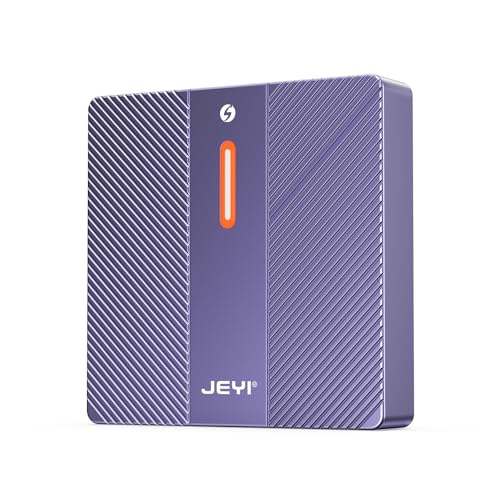
- Thunderbolt 4/3 40Gbps support
- 4-bay individual and RAID modes
- Turbo fan for sustained transfers
Best For: Creators who need fast 4-bay Thunderbolt storage for 4K RAW editing and backups.
Best for High-Speed Dual-Drive Workflows
WAVLINK Dual NVMe 20Gbps Enclosure

- 20Gbps USB-C with dual-NVMe support
- RAID 0 option for faster media workflows
- Active cooling and tool-free setup
Best For: Video editors and creators needing fast portable storage for 4K RAW projects.
Best Hybrid Hub for Mac mini
ORICO MiniTower 2-Bay RAID Enclosure

- Hybrid NVMe + dual SATA storage in one enclosure
- 10Gbps USB 3.2 Gen 2 link for editing workflows
- Extra USB and SD/TF ports reduce desk clutter
Best For: Mac mini users who want an all-in-one storage dock for editing and backup.
Best for RAID Flexibility
MAIWO Dual M.2 NVMe RAID Enclosure
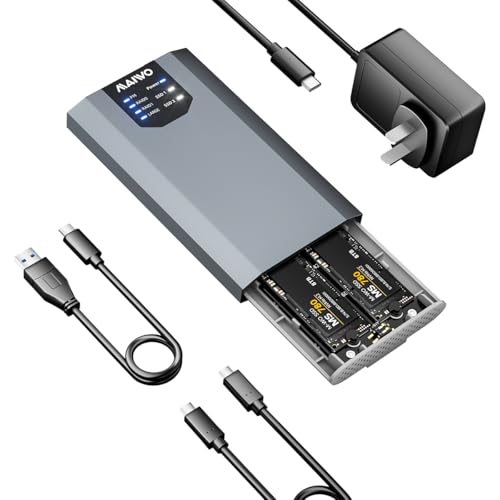
- RAID 0, 1, PM, and Large modes
- Up to 20Gbps via USB 3.2 Gen 2x2
- Supports up to 8TB across two NVMe SSDs
Best For: Editors who need a flexible dual-NVMe enclosure for fast scratch storage or mirrored backups.
Best Hybrid Storage

- Dual NVMe bays for fast RAID 0 editing
- Dual SATA bays for large archive storage
- USB4/Thunderbolt support with active cooling
Best For: Editors who want one enclosure for fast project drives and spacious backup storage.
Best for RAID 0/1 Safety
Dual Bay RAID SSD Enclosure with Clone Mode

- RAID 0/1, JBOD, and clone mode support
- 20Gbps transfer speed for large video files
- Tool-free, dual-bay design with extra power input
Best For: Editors and creators who want fast NVMe storage with a built-in backup option.
Best Hybrid Capacity – TERRAMASTER D8 Hybrid 4HDD + 4NVMe Enclosure
If you want one box that mixes bulk storage with fast scratch space, the TERRAMASTER D8 Hybrid is a strong option for nvme raid enclosures for 4k raw footage. It gives you 4 HDD bays plus 4 NVMe slots, so you can keep large project files, backups, and active media in one compact DAS instead of juggling multiple devices.
Best For: Editors and creators who need high-capacity storage with separate SSD and HDD pools for 4K RAW workflows.
Pros:
- 4 HDD + 4 NVMe design offers a flexible mix of speed and capacity
- Up to 10Gbps USB 3.2 Gen 2 performance for faster transfers and editing workflow
- Eight independent drives make file management and maintenance simpler
- Plug-and-play support for macOS, Windows, Linux, and NAS setups
Cons:
- No built-in RAID, so striped performance depends on third-party software
- 10Gbps USB limits peak speed compared with faster Thunderbolt-class enclosures
- Diskless model means you must buy all drives separately
For creators building practical nvme raid enclosures for 4k raw footage, this TerraMaster stands out more for flexibility than for raw bus speed. It’s a smart pick if you want roomy storage, independent drive access, and the option to configure your own software RAID later.
Best RAID Expandability – OWC Express 4M2 USB4 RAID Enclosure
If you need a fast, flexible choice among nvme raid enclosures for 4k raw footage, the OWC Express 4M2 is built for editors who want strong throughput, easy SSD swapping, and RAID options that can scale with demanding projects.
Best For: Video editors and creators who want a USB4 NVMe enclosure with RAID support, high compatibility, and a compact all-metal design for reliable 4K RAW editing.
Pros:
- Up to 3200MB/s real-world performance for large media transfers and editing workloads
- Works with USB4, Thunderbolt, and USB-C Macs and PCs
- Supports flexible RAID setups through SoftRAID, Apple Disk Utility, Windows Disk Management, and Storage Spaces
- Quiet, fan-cooled aluminum enclosure helps keep SSDs cool under sustained load
Cons:
- SSD drives are not included, so total cost depends on the modules you choose
- Peak performance depends on the host port and RAID configuration
- SoftRAID Premium is only included with certain models
For editors comparing nvme raid enclosures for 4k raw footage, this model stands out for its mix of speed, compatibility, and practical RAID flexibility rather than flashy extras. It is a strong fit when you want dependable desktop storage that can keep up with serious camera originals and post-production workflows.
Best for Thunderbolt 40Gbps Workflows – JEYI 4-Bay NVMe RAID Enclosure
If you need one of the more flexible nvme raid enclosures for 4k raw footage, this JEYI 4-bay unit stands out for its Thunderbolt 4/3 40Gbps support, individual drive access, and RAID modes in a compact desktop design. It’s aimed at creators who want fast ingest, scratch, or backup storage without jumping straight to a full NAS setup.
Best For: Editors and creators who want a 4-bay Thunderbolt NVMe enclosure for fast 4K RAW editing, backups, and RAID flexibility.
Pros:
- Thunderbolt 4/3 40Gbps compatibility suits high-bandwidth editing workflows
- 4-bay design supports both individual drive use and RAID configurations
- Turbo fan helps with sustained performance during long transfers and renders
- Mac and Windows support broadens compatibility across studio setups
Cons:
- Max 32TB capacity may be limiting for larger media archives
- Active cooling can add noise in quiet editing environments
- Best value depends on whether you need RAID or simple single-drive use
For buyers comparing nvme raid enclosures for 4k raw footage, this is a strong pick if you want Thunderbolt speed, RAID flexibility, and a built-in fan for sustained workloads. It makes the most sense for editors who need fast local storage rather than a more complex shared storage system.
Best for High-Speed Dual-Drive Workflows – WAVLINK Dual NVMe 20Gbps Enclosure
If you need one of the more flexible nvme raid enclosures for 4k raw footage, this WAVLINK dual-bay model stands out for its 20Gbps USB-C link, RAID 0 support, and active cooling. It is built for PCIe NVMe drives only, so it makes the most sense for editors who already own NVMe SSDs and want a portable enclosure for fast offload, scratch storage, or a compact RAID setup.
Best For: Video editors and creators who want a tool-free dual-NVMe enclosure with RAID 0 for faster file transfers and 4K RAW projects.
Pros:
- 20Gbps USB 3.2 Gen 2×2 connection for strong transfer speeds with NVMe drives
- RAID 0 support and dual-bay design suit large media files and fast working storage
- Active fan and aluminum body help manage heat during long transfers
- Tool-free installation makes drive swaps quick and simple
Cons:
- NVMe-only design means SATA M.2 drives are not compatible
- USB-A fallback tops out at 10Gbps, so the fastest speeds require a USB-C Gen 2×2 port
- RAID 0 improves speed but does not provide redundancy
For editors comparing nvme raid enclosures for 4k raw footage, this is a practical pick if your workflow values speed, cooling, and easy access over data protection. It is especially appealing for users who want a compact dual-drive enclosure without moving up to a full desktop RAID box.
Best Hybrid Hub for Mac mini – ORICO MiniTower 2-Bay RAID Enclosure
If you need one desktop dock that combines storage, card reading, and expansion, the ORICO MiniTower is a practical fit for nvme raid enclosures for 4k raw footage workflows. It pairs a 10Gbps NVMe slot with dual SATA bays and a Mac mini-friendly hub layout, making it useful when you want fast scratch storage plus bulk project backup in one enclosure.
Best For: Mac mini users who want a compact all-in-one storage dock for editing, media ingest, and backup.
Pros:
- Hybrid design combines one NVMe slot with two SATA bays for mixed-speed storage
- 10Gbps USB 3.2 Gen 2 NVMe support suits external editing and scratch-disk use
- Built-in USB-A, USB 2.0, and SD/TF expansion adds useful desktop connectivity
- RAID 0, RAID 1, JBOD, and single-disk options improve flexibility for storage setups
Cons:
- NVMe performance is limited by the 10Gbps connection, not full PCIe speeds
- RAID controls require careful setup because the mode order is reversed
- Best value depends on whether you actually need the extra hub and SATA bays
As a hybrid dock, it makes more sense for users who want a tidy multi-device station than for buyers chasing maximum SSD speed alone. For nvme raid enclosures for 4k raw footage, it’s a smart pick when workspace efficiency matters as much as storage capacity.
Best Docking-Station Pick for Editors – ACASIS 40Gbps Dual-Bay NVMe Dock
If you want one enclosure that does more than just store footage, this ACASIS dock is a strong fit for nvme raid enclosures for 4k raw footage. It combines dual M.2 NVMe bays with RAID 0 support, 40Gbps connectivity, and useful dock features like HDMI, USB-A, USB-C, and 100W PD passthrough—making it appealing for editing setups that need both speed and desk-side expansion.
Best For: Editors and creators who want a dual-bay NVMe enclosure plus a full-featured Thunderbolt/USB4 dock for fast media workflows.
Pros:
- Dual NVMe bays with RAID 0 support for higher throughput on large video projects
- 40Gbps/USB4 and Thunderbolt 4/3 compatibility for fast transfers on supported hosts
- Built-in fan and aluminum body help manage heat during long editing sessions
- Extra dock ports, dual-monitor support, and 100W PD reduce desk clutter
Cons:
- Requires a true 40Gbps host device to perform as intended
- RAID 0 improves speed but does not add redundancy
- Bulkier than a simple single-drive enclosure
For creators comparing nvme raid enclosures for 4k raw footage, this ACASIS option stands out because it pairs storage speed with real workstation convenience. The tradeoff is that you need compatible hardware to unlock its full performance, but in the right setup it can serve as both a fast edit drive and a capable desktop hub.
Best for RAID Flexibility – MAIWO Dual M.2 NVMe RAID Enclosure
If you want one of the more adaptable nvme raid enclosures for 4k raw footage, this MAIWO 2-bay enclosure stands out for its RAID modes, dual-drive support, and 20Gbps USB 3.2 Gen 2×2 connection. It’s a practical choice when you need either striped speed for active editing or mirrored storage for added safety.
Best For: Editors and creators who want a simple dual-NVMe enclosure for fast scratch storage, backups, or portable project libraries.
Pros:
- Supports RAID 0, RAID 1, PM, and Large modes for different workflows
- USB 3.2 Gen 2×2 interface offers up to 20Gbps throughput
- Handles up to 8TB total capacity across two NVMe SSDs
- Plug-and-play setup keeps it easy to deploy in a production rig
Cons:
- Top speed depends on having a compatible 20Gbps host port
- Dual-drive RAID setups require matching SSDs for best results
For editors comparing nvme raid enclosures for 4k raw footage, this model is appealing because it balances speed, capacity, and RAID flexibility without adding much setup complexity. It’s especially useful if you switch between performance-oriented and redundancy-focused storage needs.
Best Hybrid Storage – ACASIS 4-Bay RAID Enclosure
If you want one enclosure that can handle both active editing and long-term storage, this ACASIS hybrid dock is a strong fit for nvme raid enclosures for 4k raw footage. It pairs dual NVMe bays for fast project work with dual SATA bays for bulk archives, so you can keep current cuts on SSDs while parking source media and backups on cheaper hard drives.
Best For: Editors who need a flexible all-in-one enclosure for fast NVMe work drives plus high-capacity HDD backup storage.
Pros:
- Dual NVMe bays support RAID 0 for higher-speed editing workflows
- Dual SATA bays add large, affordable archive space in the same unit
- USB4/Thunderbolt 3/4/5 compatibility helps with modern creator setups
- Active cooling and a 96W power supply support heavier workloads
Cons:
- Full 40Gbps performance requires the right host port and RAID mode
- HDD bays are much slower than the NVMe side for editing directly from them
- More complex than a simple single-drive enclosure
For creators comparing nvme raid enclosures for 4k raw footage, this model stands out because it combines speed, capacity, and backup flexibility in one chassis. It’s not the simplest option, but it’s a practical way to separate active media from archive storage without buying multiple enclosures.
Best for RAID 0/1 Safety – Dual Bay RAID SSD Enclosure with Clone Mode
If you need nvme raid enclosures for 4k raw footage, this dual-bay 2280 enclosure stands out for its flexible RAID 0/1, JBOD, and clone modes. RAID 0 can help maximize transfer speeds for active editing, while RAID 1 adds a layer of redundancy for keeping source media safer during shoots and backups.
Best For: Editors, DITs, and creators who want a dual-drive NVMe enclosure for faster scratch storage, mirrored backups, and simple offline cloning.
Pros:
- RAID 0, RAID 1, JBOD, and clone mode in one enclosure
- 20Gbps connection for fast handling of large video files
- Tool-free design makes SSD swaps and cloning easier
- Extra USB-C power input helps with larger-capacity drives
Cons:
- Best performance depends on a compatible high-speed USB port
- Bulky compared with single-drive portable NVMe enclosures
- RAID setup adds complexity versus a simple external SSD
For editors who want a practical balance of speed, redundancy, and cloning, this is a strong fit among nvme raid enclosures for 4k raw footage. It is especially useful when you want one enclosure to cover both active editing and backup workflows without moving to a full desktop RAID system.
How We Picked the Best Nvme Raid Enclosures for 4K Raw Footage
For Nvme Raid Enclosures for 4K Raw Footage, we focused on sustained performance rather than peak headline speeds. That means checking interface bandwidth, RAID support, cooling design, SSD compatibility, and whether the enclosure suits single-editor or shared-production workflows.
We also prioritized practical factors like tool-free access, fan noise, OS support, and how well each unit handles longer exports, offloads, and cache-heavy editing sessions.
Quick Comparison
If you need maximum speed for an edit drive, look first at 40Gbps Thunderbolt 3/4 and USB4 models. If you want flexible capacity or a desktop hub-style setup, multi-bay RAID and hybrid enclosures make more sense. Dual-bay models tend to offer the best balance of price, portability, and RAID 0/1 options for most creators.
Key Buying Factors for Nvme Raid Enclosures for 4K Raw Footage
Interface and Real-World Bandwidth
Match the enclosure to your computer’s port. A 20Gbps USB 3.2 Gen 2×2 enclosure can be excellent, but only if your system supports it. For the highest sustained transfer headroom, USB4 and Thunderbolt 4/3 enclosures are the safer choice.
RAID Mode and Workflow
RAID 0 is best when speed matters most, such as active timelines and large media caches. RAID 1 is better for redundancy, though it reduces usable capacity. JBOD or individual-disk modes are useful when you want flexibility across projects.
Cooling and Sustained Performance
4K raw footage can keep drives busy for long stretches, so thermal control matters. Aluminum bodies, active fans, and smart airflow help prevent throttling during transfers, renders, and multi-layer playback.
Capacity and Drive Support
Choose a bay count that matches your storage habits. Dual-bay units are ideal for many solo editors, while 4-bay and hybrid systems fit heavier workloads, larger libraries, or mixed storage needs. Also confirm support for the SSD sizes you plan to use, especially 2280 drives.
Who Should Buy Which Nvme Raid Enclosures for 4K Raw Footage?
If you edit on a laptop or want a portable scratch disk, a dual-bay USB4 or Thunderbolt enclosure is usually the best fit. If you work with frequent offloads, long-form projects, or multi-drive redundancy, step up to a 4-bay RAID model. If your setup needs both SSD speed and extra storage expansion, a hybrid enclosure can be the most practical choice.
In short, the best option depends on whether you value speed, redundancy, capacity, or expansion. For most creators buying Nvme Raid Enclosures for 4K Raw Footage, the sweet spot is a well-cooled dual-bay or 4-bay enclosure with the fastest interface your computer can actually support.