Choosing the right NAS for Plex and backups is about more than drive bays. You want smooth media streaming, dependable file protection, and the right mix of performance and expandability for your home or office.
In this roundup, we focused on models that balance backup reliability with Plex-friendly features like hardware transcoding, fast Ethernet, and easy storage growth.
Best 10 Nas for Plex and Backups Picks for 2026
Best for Ease of Use
UGREEN NAS DXP2800 2-Bay Desktop NAS

- Intel N100 with 8GB DDR5 for smooth everyday NAS use
- 2.5GbE and dual M.2 slots add speed and flexibility
- Up to 80TB capacity suits backups and a Plex library
Best For: Home users and creators who want an easy two-bay NAS for Plex streaming and backups.
Best for Backup-Centric Homes

- Centralizes files from all your devices
- Automated backups to cloud, USB, and more
- Adds basic camera monitoring alongside storage
Best For: Home users and small offices that prioritize backups, file sharing, and simple NAS management.
Best for Plex Speed
UGREEN NAS DXP4800 Plus 4-Bay NAS

- 10GbE networking for fast media streaming and backups
- 4-bay, up to 144TB-capable design for growing libraries
- NVMe slots and DDR5 help with responsiveness and caching
Best For: Plex users and home backup setups that need speed, expansion, and reliable storage.
Best for Plex Transcoding & Backup
Synology DS225+ 2-Bay Private Cloud NAS

- Intel CPU with hardware transcoding
- Automated backup and snapshot protection
- Compact 2-bay DSM-powered home NAS
Best For: Home users who want a compact Plex and backup NAS with strong file protection.
Best for Easy Setup

- 4-bay, up to 128TB capacity for media and backups
- Simple app-based setup with remote access support
- 2.5GbE and 8GB RAM for solid everyday performance
Best For: Home users who want an easy-to-manage NAS for media storage, photo backups, and remote access.
Best Budget NAS Bundle
BUFFALO LinkStation 210 6TB 1-Bay NAS
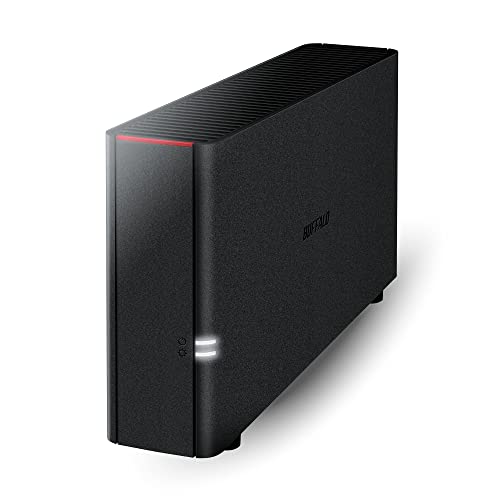
- 6TB drive included for immediate setup
- Shared storage and automated backup features
- Subscription-free personal cloud access
Best For: Home users who want an affordable NAS with included storage for basic backups and light media use.
Best for Comfort
UGREEN NAS DH2300 2-Bay Desktop NASync

- Beginner-friendly setup and everyday management
- 2-bay, diskless design with up to 64TB capacity
- Remote access, AI photo features, and 4K HDMI
Best For: Beginners who want an easy-to-manage 2-bay NAS for Plex streaming and backups.
Best for Simple Private Cloud
BUFFALO LinkStation 710 4TB 1-Bay NAS

- 4TB drive included for easier out-of-the-box setup
- Subscription-free personal cloud for backups and media
- Secure closed system with SSL encryption
Best For: Home users who want an easy, private NAS for backups and basic media storage.
Best for Plex Power Users
Asustor Lockerstor 6 Gen2 6-Bay NAS

- 6-bay hybrid storage with 4 M.2 NVMe slots
- Dual 2.5GbE for faster transfers and backups
- Intel N5105 with 4K transcoding for Plex
Best For: Plex-heavy homes and creator workflows that need fast, expandable storage.
Best for Plex Transcoding
Asustor Lockerstor 6 Gen2+ 6-Bay NAS
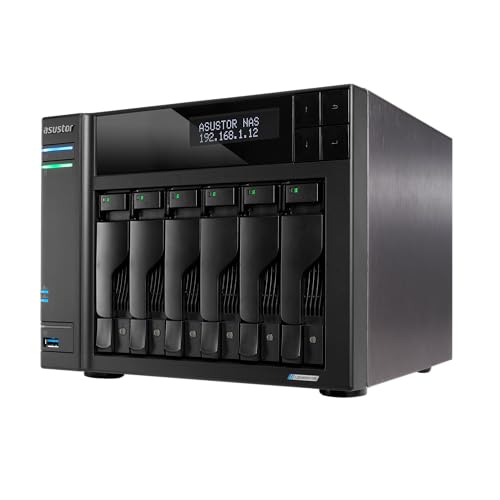
- Dual 5GbE ports for fast media transfers and link aggregation
- Four M.2 NVMe slots for cache or acceleration
- 6-bay hybrid storage works for Plex libraries and backups
Best For: Plex users and creators who want fast networking with flexible backup storage.
Best for Ease of Use – UGREEN NAS DXP2800 2-Bay Desktop NAS
If you want a practical nas for plex and backups without jumping into a complex rackmount setup, the UGREEN DXP2800 is an easy desktop option to consider. Its Intel N100 CPU, 8GB DDR5 RAM, 2.5GbE networking, and dual M.2 slots give it a strong balance of speed, expandability, and everyday usability for home media and file protection.
Best For: Home users, creators, and Plex beginners who want a simple two-bay NAS that can handle media streaming, photo organization, and reliable backups.
Pros:
- Intel N100 and 8GB DDR5 provide solid entry-level NAS performance
- 2.5GbE plus dual M.2 slots improve transfer speed and caching flexibility
- Supports up to 80TB, making it a strong long-term backup and media library base
- User-friendly apps work across Windows, macOS, mobile, web, and smart TVs
Cons:
- Diskless, so you’ll need to budget for drives separately
- Two-bay capacity limits drive redundancy and expansion compared with larger NAS units
- Not the fastest pick for heavier virtualized workloads or advanced power users
For buyers focused on a straightforward nas for plex and backups, the DXP2800 stands out as a well-rounded choice with modern connectivity and room to grow. It’s especially appealing if you want local storage, simple setup, and media-friendly features without paying for cloud subscriptions.
Best for Backup-Centric Homes – Synology DS223 2-Bay NAS
The Synology DS223 is a practical pick for anyone building a nas for plex and backups on a small, reliable platform. Its two-bay design gives you room to organize files, keep multiple devices protected, and expand into RAID-style redundancy without jumping to a larger system.
Best For: Home users and small offices that want a straightforward NAS for centralized backups, file sharing, and light media storage.
Pros:
- Centralizes files from PCs, Macs, phones, and external drives
- Automated backup support for multiple destinations, including cloud and USB drives
- Useful collaboration tools for sharing documents and version control
- Can also handle IP camera monitoring for basic home security
Cons:
- Diskless, so you must buy hard drives separately
- Two-bay hardware is more limited for larger Plex libraries than bigger NAS units
- Not the strongest choice for heavy transcoding workloads
Overall, the DS223 is a sensible value if your main goal is dependable storage and backup management first, with media use as a secondary priority. For buyers comparing a nas for plex and backups, it stands out more for easy organization and data protection than for raw streaming power.
Best for Plex Speed – UGREEN NAS DXP4800 Plus 4-Bay NAS
If you want a fast, flexible nas for plex and backups, the UGREEN DXP4800 Plus stands out with a 10GbE port, Intel Pentium Gold 8505 CPU, DDR5 memory, and two M.2 NVMe slots for caching or extra storage performance. It is a strong fit for users who want smooth media streaming, reliable backup jobs, and room to grow into Docker or light virtual machine use.
Best For: Plex users and home backup setups that need fast transfers, expandability, and a more capable four-bay NAS.
Pros:
- 10GbE plus 2.5GbE networking helps move large media and backup files quickly
- 4-bay design with up to 144TB capacity gives plenty of room for Plex libraries and archives
- Two M.2 NVMe slots and a built-in SSD support better responsiveness and caching options
- Useful software features like remote access, RAID, and easy file sharing
Cons:
- Drives are not included, so total cost rises once you add NAS hard drives
- May be more NAS than casual users need if you only want basic file storage
This is a compelling choice if you want a future-ready nas for plex and backups with strong transfer speeds and more headroom than entry-level boxes. It is especially appealing when you plan to stream media, protect family files, and leave room for expansion later.
Best for Plex Transcoding & Backup – Synology DS225+ 2-Bay Private Cloud NAS
If you want a practical nas for plex and backups, the Synology DS225+ is built around the right mix of media streaming, file protection, and remote access. Its Intel-based hardware transcoding helps with Plex-style playback, while DSM gives you a straightforward way to manage photos, shared folders, and automated backup jobs.
Best For: Home users and small teams who want a compact 2-bay NAS for Plex streaming, photo storage, and dependable backup workflows.
Pros:
- Intel CPU with hardware transcoding for smoother media streaming
- Strong backup toolkit with cloud, external drive, and remote NAS options
- RAID, snapshots, and DSM data protection features add extra peace of mind
- Compact 2-bay design that fits well in a home or office setup
Cons:
- Diskless model, so drives must be purchased separately
- 2-bay capacity is limited if you expect to scale storage heavily
- Advanced features may take some setup for first-time NAS users
For buyers focused on nas for plex and backups, the DS225+ stands out as a balanced, everyday NAS rather than an overbuilt enthusiast box. It is a sensible pick if you want reliable streaming, simple file sharing, and layered protection without moving into a much larger multi-bay system.
Best for Easy Setup – UGREEN DH4300 Plus 4-Bay NAS
If you want a beginner-friendly nas for plex and backups, the UGREEN DH4300 Plus is a practical entry point thanks to its 4-bay design, 8GB RAM, and straightforward app-based setup. It gives home users a large private storage pool for media, photo libraries, and device backups without forcing a cloud subscription.
Best For: Home users who want a simple 4-bay NAS for media storage, backups, and easy remote access.
Pros:
- 4-bay enclosure supports up to 128TB for large media and backup libraries
- Beginner-friendly setup with NFC, mobile apps, web access, and remote file sharing
- 2.5GbE networking and 8GB RAM help it handle multiple apps and transfers smoothly
- Automatic backups plus photo AI tools make it useful beyond basic file storage
Cons:
- Diskless, so you’ll need to buy your own drives separately
- Supports Docker but not virtual machines, which limits advanced workloads
- Not a turnkey Plex powerhouse compared with higher-end NAS models
Overall, this is a solid starter NAS for people building a private media library and backup hub. For a nas for plex and backups, it stands out more for ease of use, capacity, and value than for advanced enthusiast features.
Best Budget NAS Bundle – BUFFALO LinkStation 210 6TB 1-Bay NAS
If you want a straightforward nas for plex and backups without buying drives separately, the Buffalo LinkStation 210 is an easy entry point. It includes 6TB of storage, works as a shared network drive, and focuses on centralized backup and personal cloud features rather than advanced app management.
Best For: Home users who want an affordable, all-in-one NAS with included storage for basic media storage and automated backups.
Pros:
- 6TB drive included, so there’s no extra hard drive shopping to get started
- Supports shared storage, automated backups, and file access over your home network
- Subscription-free personal cloud setup for photos, videos, and documents
- Closed-system design with SSL encryption for a more security-minded approach
Cons:
- Single-bay design means no RAID redundancy or easy drive expansion
- Not the strongest choice for demanding Plex transcoding or heavy multitasking
- macOS support is limited to older versions, which may matter for newer Macs
For buyers prioritizing simplicity and low upfront cost, this Buffalo unit is a practical nas for plex and backups if your Plex needs are light and your main goal is centralized storage plus backup. It’s better suited to basic home media sharing than to power-user server workloads.
Best for Comfort – UGREEN NAS DH2300 2-Bay Desktop NASync
The UGREEN NAS DH2300 is a practical entry point if you want a nas for plex and backups without jumping straight into a more complex or expensive system. Its 2-bay design, 4GB of RAM, and beginner-friendly software make it a sensible choice for first-time NAS buyers who mainly want reliable storage, remote access, and simple media hosting.
Best For: Beginners who want an easy-to-manage 2-bay NAS for Plex streaming, personal backups, and everyday home storage.
Pros:
- Simple setup and beginner-friendly interface
- 2-bay design with support for up to 64TB of raw capacity
- Includes remote access and 4K HDMI for flexible home use
- Good fit for basic Plex libraries and backup workflows
Cons:
- 1GbE networking may limit faster transfers
- Diskless model adds extra upfront cost for drives
- Not ideal for heavy multitasking or advanced Plex transcoding needs
If you want a straightforward nas for plex and backups that’s easy to understand and expand later, the DH2300 is appealing. It’s aimed more at convenience and everyday reliability than top-end performance, which makes it a smart starter pick for home users.
Best for Simple Private Cloud – BUFFALO LinkStation 710 4TB 1-Bay NAS
If you want a straightforward nas for plex and backups without paying monthly fees, the BUFFALO LinkStation 710 is built for simple home use. It includes a 4TB drive, works with Windows and macOS, and focuses on easy shared storage, automated backups, and secure file access.
Best For: Home users who want an affordable, subscription-free NAS for basic media storage, personal backups, and private file sharing.
Pros:
- 4TB capacity with a drive included, so setup is simpler out of the box
- Subscription-free personal cloud features for photos, music, videos, and backups
- Closed-system design with SSL encryption for more secure file transfers
- PC backup software and NAS Navigator utility make basic management easier
Cons:
- Single-bay design limits expandability and redundancy options
- Not the strongest choice for demanding Plex transcoding workloads
- 4TB may feel small if you plan to store a large media library
For buyers comparing a nas for plex and backups, this Buffalo model makes sense when simplicity and privacy matter more than raw performance. It is a practical entry-level network storage pick, but Plex power users or anyone needing future expansion will likely want a larger multi-bay NAS.
Best for Plex Power Users – Asustor Lockerstor 6 Gen2 6-Bay NAS
If you want a fast, expandable nas for plex and backups, the Asustor Lockerstor 6 Gen2 is built for exactly that mix of media streaming and data protection. Its Intel Celeron N5105, dual 2.5GbE, and four M.2 NVMe slots give it the performance headroom to handle 4K Plex playback, backups, and everyday multitasking without feeling cramped.
Best For: Plex users, creators, and home power users who want a hybrid NAS that can grow with larger media libraries and backup needs.
Pros:
- 6-bay design plus 4 M.2 NVMe slots for flexible hybrid storage
- Intel quad-core CPU and 8GB DDR4 RAM support heavy multitasking
- Dual 2.5GbE helps move large backups and media files much faster than Gigabit
- 4K transcoding and HDMI output make it a strong Plex media server
Cons:
- Diskless, so total cost rises once you add drives and SSDs
- Serious speed gains may require a future 10GbE upgrade
For buyers comparing a nas for plex and backups, this model stands out for combining media-server performance with real expansion room. It is a better fit for users who expect their library, backup set, or workflow to keep growing.
Best for Plex Transcoding – Asustor Lockerstor 6 Gen2+ 6-Bay NAS
If you want a nas for plex and backups that can handle streaming, storage, and day-to-day creator work, the Asustor Lockerstor 6 Gen2+ is built for that mixed workload. Its Intel Celeron CPU, dual 5GbE ports, and four M.2 slots give it the speed headroom to serve media smoothly while still backing up important files.
Best For: Plex users, video creators, and small teams that need fast network performance plus dependable backup storage.
Pros:
- Dual 5GbE networking helps move large media files quickly and supports link aggregation
- Four M.2 NVMe slots can speed up cache performance for a more responsive system
- 6-bay hybrid design lets you combine affordable HDD capacity with faster SSD storage
- 8GB DDR4 and 4K media support make it a strong fit for Plex and creative workflows
Cons:
- Diskless build means you must buy drives separately
- Higher-spec networking and NVMe features may be more than casual home users need
- Pricing can rise quickly once you add enough drives and SSD cache
Overall, this is a versatile nas for plex and backups if you want more performance than a basic home NAS and plan to grow into heavier media or creator workloads.
How We Picked the Best Nas for Plex and Backups
We prioritized devices that make sense for Nas for Plex and Backups: enough CPU headroom for media streaming, practical network speeds for file transfers, and storage options that support both active libraries and long-term data protection. We also looked at bay count, upgrade path, ease of setup, and whether each system fits beginners, families, or heavier media users.
Quick Comparison
Two-bay units are usually the best starting point for simple home backups and a smaller Plex library. Four-bay systems offer a better balance of capacity, redundancy, and future growth. Six-bay models suit larger collections, multi-user streaming, and users who want more room for RAID flexibility or SSD caching.
Key Buying Factors for Nas for Plex and Backups
CPU and Hardware Transcoding
Plex users should pay close attention to processor choice. If you stream to different devices or need on-the-fly transcoding, look for a NAS with an Intel CPU and built-in media acceleration. Backup-only users can usually prioritize efficiency over raw media performance.
Drive Bays and RAID Options
More bays generally mean better flexibility. Two-bay systems are compact and affordable, but four- and six-bay systems give you more usable capacity after RAID and more room to grow as your photo, video, and backup libraries expand.
Networking and Transfer Speed
For large backups and high-bitrate Plex streams, 2.5GbE is a strong baseline. Power users moving large media files or running multiple clients may benefit from 5GbE or 10GbE, especially when paired with SSD caching or NVMe support.
Ease of Use and App Ecosystem
Beginner-friendly software, remote access tools, mobile photo sync, and backup scheduling matter a lot in everyday use. A great NAS should make it easy to automate backups and serve media without constant maintenance.
Who Should Buy Which Nas for Plex and Backups?
If you want a simple, affordable setup for home backup and light media streaming, a 1-bay or 2-bay NAS is often enough. If you are building a serious Plex library or backing up multiple PCs and phones, a 4-bay model is usually the best middle ground. If you expect growth, want more RAID options, or plan to stream to several users, a 6-bay NAS is the safest long-term choice.
For most buyers, the best choice is the model that matches current storage needs with a little room to grow. That balance matters more than chasing the fastest specs on paper.