Choosing a 6K monitor for photo editing can make a real difference in sharpness, color confidence, and workflow comfort. If you edit high-resolution images, a well-calibrated display helps you see finer detail and make cleaner decisions.
Below, we focus on monitors that balance resolution, color gamut, panel quality, and creator-friendly features so you can choose the right screen for your studio or desk setup.
Best 10 6k Monitor for Photo Editing Picks for 2026
Best for Color-Accurate Editing

- 32-inch 6K IPS panel with 218PPI for crisp image detail
- 10-bit color with 99% sRGB and 98% DCI-P3 coverage
- Anti-glare, eye-care features, and an adjustable stand
Best For: Photographers and creators who need a sharp, color-focused editing display.
Best Touch Display
ALOGIC 32” 6K Touchscreen Monitor

- 6K resolution on a 32-inch panel
- Factory-calibrated color with low Delta E
- USB-C hub with 90W power delivery
Best For: Editors and creatives who want an ultra-sharp 6K touchscreen for color work and hands-on retouching.
Best Wide-Gamut Pick
G32P 32’’ 6K Glossy IPS Monitor

- 32-inch 6K panel with 223 PPI for ultra-sharp detail
- 99% sRGB / 99% DCI-P3 and 10-bit color for editing accuracy
- 100W power delivery and versatile connectivity for cleaner desks
Best For: Photographers and editors who want a large, color-rich 6K display for detailed work.
Best for Mac and Color Accuracy
ASUS ProArt 32” 6K ProArt Monitor
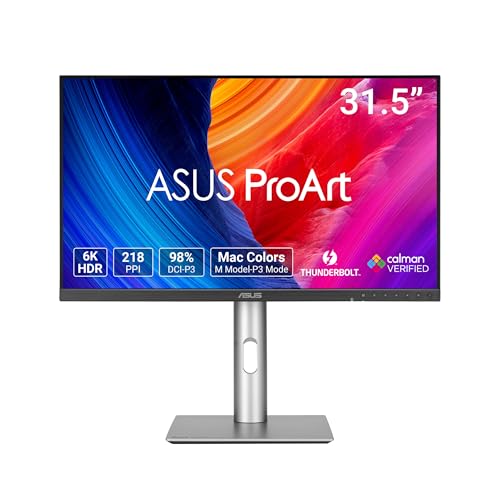
- 6K IPS panel with 98% DCI-P3 and ΔE < 2 accuracy
- Dual Thunderbolt 4 with up to 96W power delivery
- Mac preset mode and auto KVM suit mixed-device workflows
Best For: Photographers and Mac users who need a color-accurate 6K editing display.
Color-Accurate Creator Pick
BenQ PD3205U 32" 4K Mac-Ready Monitor
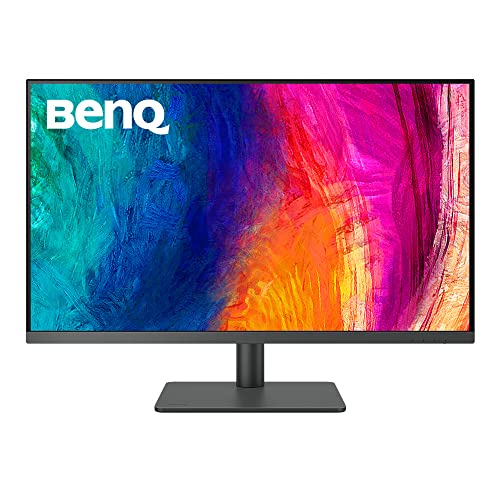
- Factory calibrated with calibration report included
- 99% sRGB/Rec.709 and DeltaE ≤3 for accurate editing
- USB-C 90W plus hub, HDMI, and DisplayPort
Best For: Photographers, designers, and Mac users who want a color-accurate 32-inch editing display with simple USB-C connectivity.
Best 4K Value for Color Work
Dell 27 Plus 4K Monitor S2725QS

- 4K IPS panel with 99% sRGB for detailed editing
- 120Hz refresh and FreeSync Premium for smooth use
- ComfortView Plus reduces blue light without hurting color
Best For: Photographers and creators who want a sharp, color-accurate 4K monitor at a lower price than a true 6K display.
Best Ultrawide Creator Monitor
INNOCN 34" Ultrawide IPS 180Hz

- IPS panel for steadier color and wider viewing angles
- 3440 x 1440 ultrawide workspace for editing and multitasking
- PIP/PBP, height adjustment, and Eye Care for long sessions
Best For: Editors and creators who want an ultrawide display with reliable color and multitasking flexibility.
Best for Color-Managed Studios
LG UltraFine evo 32U990A-S 32" 6K Monitor

- 6K 32-inch panel with 224 ppi for crisp detail
- 98% DCI-P3 and 99.5% Adobe RGB for color work
- Thunderbolt 5, USB-C hub, and 96W laptop charging
Best For: Photographers and creative pros who want a spacious 6K canvas with strong color accuracy and clean single-cable connectivity.
Best Simple Pick
INNOCN 40C1R 40" Ultrawide Monitor

- 40-inch 21:9 ultrawide panel with lots of editing space
- 95% DCI-P3 and factory calibration for color-aware work
- USB-C, HDMI, and DisplayPort for flexible connectivity
Best For: Photographers and creators who want a wide, color-conscious monitor for editing and multitasking.
Best for Color-Accurate Editing – G32X 32” 6K IPS Monitor
If you want a 6k monitor for photo editing without jumping into ultra-premium studio pricing, the G32X makes a strong case with its 32-inch 6K IPS panel, 10-bit color, and wide-gamut coverage. The 218PPI density should help images look sharply rendered, while the anti-glare finish and eye-care features make it easier to spend long sessions checking fine detail.
Best For: Photographers and content creators who want high-resolution editing, strong color coverage, and a large workspace for retouching.
Pros:
- 6K resolution on a 32-inch IPS panel delivers very fine detail and a spacious editing canvas
- 99% sRGB and 98% DCI-P3 with 10-bit color support for more reliable color work
- 500-nit brightness, HDR support, and anti-glare coating improve visibility in varied lighting
- Adjustable stand plus 100x100mm VESA compatibility make it easier to set up ergonomically
Cons:
- 60Hz refresh rate is fine for editing, but not ideal for fast gaming
- At 32 inches, it needs plenty of desk space to feel comfortable
- HDR and factory color tuning may still need calibration for critical print work
For shoppers comparing a 6k monitor for photo editing, this model stands out for its mix of resolution, color range, and practical workstation features rather than flashy extras. It looks well suited to photographers who want more screen real estate and sharper previews in a single display.
Best Touch Display – ALOGIC 32” 6K Touchscreen Monitor
If you want a 6k monitor for photo editing that also doubles as a hands-on creative surface, the ALOGIC Clarity Touch stands out immediately. Its 6016×3384 panel delivers extremely sharp detail, while factory calibration and low reported color error make it a strong fit for color-critical work on Mac or Windows.
Best For: Editors and creatives who want a large, ultra-sharp 6K display with touch control for a more interactive editing workflow.
Pros:
- 6K resolution on a 32-inch screen gives you tons of room for timelines, palettes, and fine image detail.
- Factory-calibrated color with Avg. ΔE < 1 is well suited to photo and video color work.
- USB-C with up to 90W power delivery helps keep desk setup clean and simple.
- Touch support and stylus compatibility add useful input options for retouching and annotation.
Cons:
- The touchscreen feature adds cost if you only need a traditional editing monitor.
- Its large size may be more than some desks or compact studios can comfortably handle.
- Touch and stylus features are helpful, but not essential for every photo editor.
As a 6k monitor for photo editing, this ALOGIC model makes the most sense for buyers who value sharpness, accurate color, and a more tactile workflow in one display. If you want the added flexibility of touch without sacrificing 6K clarity, it is one of the most distinctive options in the category.
Best Wide-Gamut Pick – G32P 32’’ 6K Glossy IPS Monitor
If you want a 6k monitor for photo editing that prioritizes sharpness and color, the G32P stands out with a 32-inch 6144 x 3456 IPS panel, 10-bit color, and wide-gamut coverage. The glossy screen and 223 PPI density make fine detail easy to judge, while HDR support and 500-nit brightness help images look more lifelike during editing and review.
Best For: Photographers and visual creators who want a large, high-resolution display with strong color coverage for editing, retouching, and soft-proofing.
Pros:
- 6K resolution on a 32-inch panel delivers very crisp text and image detail
- 99% sRGB and 99% DCI-P3 with 10-bit color for accurate, vivid editing work
- 500-nit brightness and HDR support improve highlight detail and overall punch
- USB-C-style 100W power and broad connectivity simplify single-cable setups
Cons:
- 60Hz refresh rate is fine for editing, but not ideal for fast gaming
- Glossy finish can show reflections in bright rooms
- Large 32-inch footprint may be too much for smaller desks
For a 6k monitor for photo editing, this model is strongest when color fidelity and resolution matter more than gaming speed or a matte finish. It’s a compelling choice if you want a spacious, highly detailed canvas for high-end stills work.
Best Ultrawide Workspace – INNOCN 40" 5K Ultrawide Monitor
If you want a 6k monitor for photo editing alternative with extra horizontal room, this 40-inch INNOCN delivers a sharp 5120 x 2160 IPS panel, factory calibration, and wide color coverage that suits color-critical workflows. The 21:9 format gives you more space for toolbars, timelines, and side-by-side image comparisons without feeling cramped.
Best For: Photographers, designers, and editors who want a large ultrawide display with accurate color and strong multitasking space.
Pros:
- Factory-calibrated Delta E < 2 and wide DCI-P3/sRGB coverage for dependable color work
- 40-inch 5K ultrawide resolution creates a roomy canvas for editing and multitasking
- USB-C with 65W power delivery plus HDMI and DisplayPort make it easy to connect
- 100Hz refresh rate adds smoother cursor movement and general desktop responsiveness
Cons:
- Not true 6K resolution, so ultra-high-resolution print workflows may still want a dedicated 6K panel
- Large footprint may be too big for smaller desks
For buyers comparing a 6k monitor for photo editing, this INNOCN stands out as a more expansive ultrawide option that prioritizes workspace and color accuracy over absolute pixel count. It is a practical pick if you want a big, calibrated screen for editing without paying top-tier 6K prices.
Best for Mac and Color Accuracy – ASUS ProArt 32” 6K ProArt Monitor
If you want a 6k monitor for photo editing, the ASUS ProArt PA32QCV stands out for its factory-calibrated color accuracy, wide DCI-P3 coverage, and sharp 31.5-inch 6K panel that gives you plenty of room for detailed retouching and side-by-side palettes. It’s especially practical for creators who need dependable color on both Mac and PC setups.
Best For: Photographers and content creators who need highly accurate color, strong connectivity, and a large 6K workspace for editing.
Pros:
- 6K IPS panel with 98% DCI-P3 and factory-calibrated ΔE < 2 accuracy
- Dual Thunderbolt 4 ports with up to 96W power delivery and daisy-chaining
- Mac-friendly M Model-P3 preset plus auto KVM for multi-device workflows
- DisplayHDR 600 and built-in USB hub add extra versatility
Cons:
- Premium pricing compared with standard 4K monitors
- May be more monitor than casual editors need
For a 6k monitor for photo editing, this ASUS ProArt model makes a strong case if color fidelity matters more than gaming features or budget. The combination of resolution, calibration, and creator-focused connectivity makes it a smart workstation upgrade.
Color-Accurate Creator Pick – BenQ PD3205U 32" 4K Mac-Ready Monitor
If you want a practical 6k monitor for photo editing alternative that still prioritizes accuracy over flashy specs, the BenQ PD3205U is built for color-critical work. Its factory calibration, 99% sRGB/Rec.709 coverage, and DeltaE ≤3 target make it a strong fit for photographers who need reliable tones on a large 32-inch 4K IPS panel.
Best For: Photographers, designers, and Mac users who want a color-accurate 32-inch editing display with simple USB-C connectivity.
Pros:
- Factory calibrated with a calibration report included for more trustworthy color from day one
- 99% sRGB/Rec.709 coverage and DeltaE ≤3 for solid photo-editing accuracy
- USB-C with 90W charging plus HDMI, DisplayPort, and USB hub support
- 32-inch 4K IPS screen gives plenty of workspace for editing timelines and palettes
Cons:
- 4K resolution is sharp, but it is not a true 6K panel
- Less ideal if you need wider-gamut coverage for specialized print workflows
- Large size may be too much for very compact desks
For creators shopping a 6k monitor for photo editing but watching value, this BenQ hits the essentials: dependable color, a generous screen size, and easy single-cable setup. It is a sensible choice when you care more about consistent editing results than chasing the highest pixel count.
Best 4K Value for Color Work – Dell 27 Plus 4K Monitor S2725QS
If you’re shopping for a 6k monitor for photo editing but want a more affordable display, the Dell 27 Plus S2725QS is a strong 4K alternative. It combines a sharp 27-inch IPS panel, 99% sRGB coverage, and a 1500:1 contrast ratio for detailed image review, with enough speed and comfort features to double as an everyday work monitor.
Best For: Photographers and creators who want accurate-looking 4K visuals, smooth scrolling, and a clean desktop-friendly design without stepping up to a true 6K price.
Pros:
- 99% sRGB and IPS panel deliver vibrant, consistent color for editing.
- 4K resolution on 27 inches gives you crisp detail for retouching.
- 120Hz refresh rate and FreeSync Premium make it feel very smooth for daily use.
- ComfortView Plus helps reduce blue light without sacrificing color accuracy.
Cons:
- Not a true 6K monitor, so ultra-fine workspace and pixel density are lower.
- Color coverage is solid for sRGB work, but not ideal for wide-gamut pro workflows.
For most buyers who searched for a 6k monitor for photo editing, this Dell is the sensible value play: you get sharp 4K detail, dependable color, and a polished build at a more accessible price point.
Best Ultrawide Creator Monitor – INNOCN 34" Ultrawide IPS 180Hz
If you want a wide, color-stable display for editing, the INNOCN 34C1R is a practical alternative to a 6k monitor for photo editing when you care more about workspace and smooth performance than ultra-high resolution. Its IPS panel, 3440 x 1440 ultrawide layout, and adjustable stand make it a flexible pick for creators who also multitask or game.
Best For: Photo editors, content creators, and hybrid work/gaming setups that need a large ultrawide canvas with reliable color and easy window management.
Pros:
- IPS panel offers better color stability and wider viewing angles than typical VA options.
- 3440 x 1440 ultrawide resolution gives you plenty of room for timelines, palettes, and side-by-side work.
- PIP/PBP and screen-split features help with editing workflows and multitasking.
- Height-adjustable stand plus Eye Care features improve long-session comfort.
Cons:
- Not a true high-resolution 6K display, so it is less ideal for pixel-level native-resolution editing.
- 34-inch ultrawide format may not suit users who prefer a standard 16:9 monitor.
For buyers comparing a 6k monitor for photo editing against broader ultrawide options, this model stands out as a value-minded productivity screen with solid color behavior and a more immersive workspace. It is especially appealing if your editing setup also needs gaming or general-purpose use.
Best for Color-Managed Studios – LG UltraFine evo 32U990A-S 32" 6K Monitor
If you want a 6k monitor for photo editing that prioritizes sharp detail, wide-gamut accuracy, and modern connectivity, the LG UltraFine evo 32U990A-S is built for demanding workflows. Its 32-inch 6144 x 3456 panel delivers dense 224 ppi clarity, while Thunderbolt 5, USB-C, HDMI 2.1, and DisplayPort 2.1 make it easy to slot into a pro desk setup.
Best For: Photographers and creative pros who want a spacious 6K canvas with strong color coverage, single-cable laptop docking, and flexible multi-device connectivity.
Pros:
- 6K resolution on a 32-inch panel gives you extremely sharp detail and lots of room for editing timelines, palettes, and layers.
- True 10-bit color with 98% DCI-P3 and 99.5% Adobe RGB is a strong match for color-critical photography work.
- Thunderbolt 5 plus a USB-C hub simplify cable management and can charge a laptop with up to 96W.
- Ergonomic adjustments, VESA support, and built-in KVM add flexibility for long editing sessions and dual-PC workflows.
Cons:
- It’s a high-end monitor, so it will be out of budget for many casual users.
- To fully benefit from 6K resolution, you’ll need a capable workstation and compatible cables.
- The bundle is more work-focused than minimalist, which may be more than some home setups need.
This is an excellent 6k monitor for photo editing if you care most about image fidelity, workspace size, and a clean pro-grade connection setup. It makes the most sense for photographers who edit heavily in Adobe apps and want a display that can handle detailed retouching with confidence.
Best Simple Pick – INNOCN 40C1R 40" Ultrawide Monitor
If you want a wide, color-accurate workspace instead of a traditional 16:9 panel, the INNOCN 40C1R is a practical 6k monitor for photo editing alternative with plenty of room for timelines, palettes, and side-by-side image comparisons. Its 3440 x 1440 resolution, 95% DCI-P3 coverage, and factory color calibration make it a strong fit for creators who value usable desktop space and dependable color over extreme resolution.
Best For: Photographers and creators who want an ultrawide display for editing, multitasking, and comparing images without constantly switching windows.
Pros:
- Wide 40-inch 21:9 layout gives you lots of room for editing tools and reference windows.
- 95% DCI-P3, ΔE < 2 calibration, and HDR400 support help with color-aware work.
- USB-C, HDMI, and DisplayPort inputs make it easy to connect laptops and desktops.
- Height, tilt, and swivel adjustments improve comfort during long editing sessions.
Cons:
- 3440 x 1440 is sharp, but it is not true 6K resolution.
- Ultrawide format can be less ideal for print-focused workflows that prefer a taller aspect ratio.
- Color performance is strong for the price, but not a substitute for a top-tier pro-reference display.
For buyers comparing a 6k monitor for photo editing with more affordable creator displays, this INNOCN stands out as a spacious, value-focused choice. It gives you a lot of room to work, credible color specs, and flexible connectivity, making it a smart pick if your editing setup benefits from ultrawide productivity as much as image quality.
How We Picked the Best 6k Monitor for Photo Editing
For a 6k Monitor for Photo Editing, resolution alone is not enough. We prioritized models with strong color coverage, accurate factory tuning, IPS-class panels, and connectivity that suits modern editing setups. We also considered brightness, contrast, uniformity tools, and whether the display is practical for long editing sessions.
Quick Comparison
The 6K models in this roundup are the best fit for photographers who want maximum detail, finer on-screen text, and more room for tool palettes. The 4K and ultrawide alternatives are included for buyers who want a lower price, different aspect ratios, or higher refresh rates for mixed work. If your work is mostly still images, a color-accurate 6K display is the most future-proof choice. If you edit both photos and video, ultrawide or 4K options may offer better value depending on your timeline and budget.
Key Buying Factors for a 6k Monitor for Photo Editing
Color Accuracy and Gamut
Look for wide-gamut coverage such as DCI-P3 or strong sRGB performance, plus a low Delta E rating. That combination helps preserve accurate skin tones, product colors, and subtle gradients.
Panel Quality and Uniformity
IPS panels are the safest choice for consistent viewing angles and dependable color. Uniformity compensation, calibration support, and factory reports are especially valuable if you rely on the monitor for client work.
Resolution and Scaling
6K resolution gives you a sharper canvas than 4K, which is useful when judging fine detail, retouching, and viewing images at high magnification. Make sure your computer and operating system can handle scaling comfortably.
Connectivity and Power Delivery
USB-C, Thunderbolt, and built-in charging can simplify a clean editing desk. If you use a laptop, a single-cable setup is often worth paying for.
Ergonomics and Finish
Matte screens reduce glare in bright rooms, while glossy panels can offer a punchier look if you control reflections. Adjustable stands matter if you spend hours editing every day.
Who Should Buy Which 6k Monitor for Photo Editing?
Buy a premium 6K monitor if you need the closest thing to a reference display for serious photo work, retouching, or print preparation. Choose a 4K creator monitor if you want solid accuracy at a lower price and do not need the extra pixel density. Pick an ultrawide if your workflow includes heavy multitasking or mixed photo and video editing. For Mac users, prioritize USB-C/Thunderbolt integration, while Windows users should focus on color specs, calibration support, and the ports that match their setup.