Documentary editing demands more than raw speed. Long footage, mixed codecs, heavy audio work, and constant timeline scrubbing all put pressure on a workstation.
This roundup focuses on the best video editing workstations for documentary editors in 2026, with an eye on real-world performance, expandability, and stability for demanding post-production work.
Best 6 Video Editing Workstations for Documentary Editors Picks for 2026
Best for Heavy Multicam Work
CPU Solutions Express Ryzen 9 9950X Editing PC
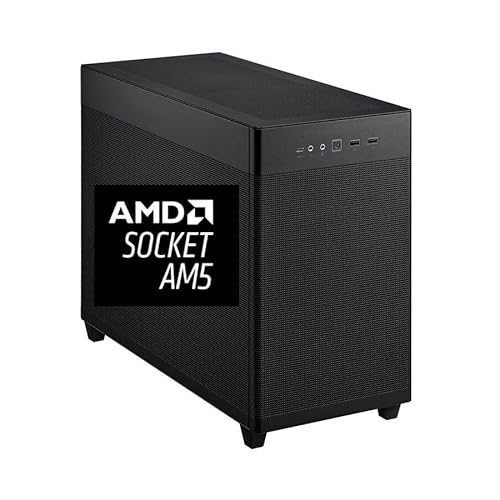
- Ryzen 9 9950X with 16 cores and 32 threads
- 64GB DDR5 RAM plus 2TB NVMe SSD
- Quadro RTX 2000 ADA with pro drivers
Best For: Documentary editors handling 4K timelines, multicam sequences, and heavy multitasking.
Best AI-Powered Workhorse
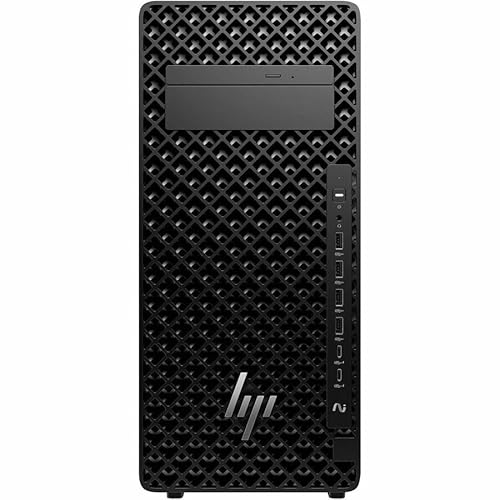
- 24-core Core Ultra 9 CPU for demanding editing and exports
- 32 GB DDR5 RAM, expandable up to 128 GB
- 1 TB PCIe 4.0 SSD plus NVIDIA 8 GB graphics
Best For: Documentary editors who need a responsive Windows tower with strong upgrade potential.
Best for AI-Heavy Renders

- Ryzen 9 9950X3D2 with 16 cores and 360mm liquid cooling
- RTX Pro 6000 with 96GB ECC GDDR7 VRAM
- 192GB DDR5 RAM and 4TB NVMe SSD for massive projects
Best For: Documentary editors handling complex projects with big footage archives, advanced color, and AI-assisted finishing tools.
Best for Heavy Multicam Timelines
CPU Solutions VidCore 4K Editing PC

- 24-core Core Ultra 9 for demanding edits and exports
- 64GB DDR5 RAM plus 2TB NVMe SSD
- Quadro RTX 2000 Ada 16GB supports pro apps and 4 monitors
Best For: Documentary editors handling multicam 4K projects and heavy multitasking.
Best Renewed Value
HP Workstation PC for Editing & Design

- 32GB RAM with a 1TB SSD for smooth everyday editing
- 4TB HDD gives ample space for raw footage and archives
- Quadro K1200 supports common creative and workstation apps
Best For: Documentary editors who want a cost-effective workstation with strong storage.
Best for Heavy 8K Timelines
Ryzen 9 9950X 8K Editing Workstation
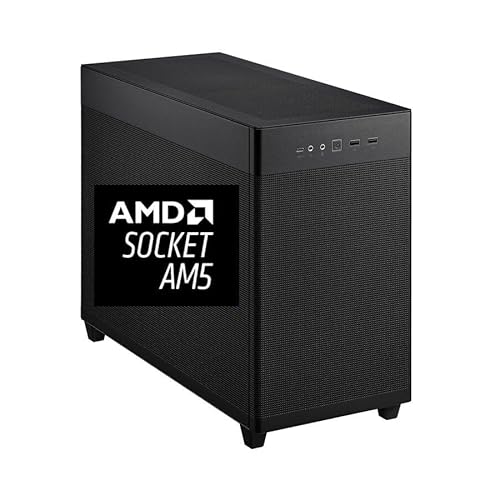
- 16-core Ryzen 9 9950X boosts up to 5.7GHz
- 64GB DDR5 RAM and 2TB Gen4 SSD for large projects
- RTX Pro 2000 16GB suits pro editing workflows
Best For: Documentary editors handling 4K/8K timelines, heavy multitasking, and fast exports.
Best for Heavy Multicam Work – CPU Solutions Express Ryzen 9 9950X Editing PC
If you need video editing workstations for documentary editors that can keep up with long timelines, layered audio, and frequent exports, this CPU Solutions Express tower is built for that kind of load. The Ryzen 9 9950X, 64GB of DDR5 memory, and 2TB NVMe SSD make it a strong fit for fast scrubbing, caching, and moving large source files without constant slowdowns.
Best For: Documentary editors who want a high-core-count workstation for 4K projects, multitasking, and reliable day-to-day editing performance.
Pros:
- Ryzen 9 9950X delivers strong multi-core performance for editing, rendering, and exports.
- 64GB DDR5 RAM and a 2TB NVMe SSD help with large media libraries and smooth timeline playback.
- Quadro RTX 2000 ADA offers pro-grade drivers and support for up to four high-resolution displays.
- Mini tower design includes capable cooling and a clean Windows 11 Pro setup.
Cons:
- Not the cheapest option for buyers who only need light editing power.
- RTX 2000 ADA is professional-focused, but not as strong for GPU-heavy effects work as higher-end cards.
- Compact tower may leave less room than full-size workstations for future internal expansion.
For video editing workstations for documentary editors, this machine is appealing because it balances fast CPU performance, lots of memory, and pro graphics in a relatively compact build. It looks especially practical for editors who value stable workflow speed over flashy gaming hardware.
Best AI-Powered Workhorse – HP Z2 G1i Tower Workstation
If you want a compact tower that can handle heavy timelines, the HP Z2 G1i Workstation is a strong fit for video editing workstations for documentary editors who need fast exports, smooth multitasking, and room to grow. Its Intel Core Ultra 9 285K, 32 GB of DDR5 memory, and 1 TB PCIe 4.0 SSD give it the kind of responsive performance that helps when juggling footage, proxies, and editing software.
Best For: Documentary editors who need a reliable Windows tower with modern AI-assisted performance for long-form editing and color-heavy projects.
Pros:
- 24-core Core Ultra 9 processor is well suited to demanding multi-track editing and encoding
- 32 GB DDR5 RAM with support up to 128 GB gives you headroom for bigger projects
- 1 TB SSD and NVIDIA 8 GB graphics help keep media loading and playback snappy
Cons:
- 1 TB of storage may feel tight for large documentary libraries without external drives
- 8 GB GPU memory is solid, but not ideal for the heaviest 4K/8K color workflows
Overall, this is a practical editing tower for creators who want strong CPU performance and upgrade potential without stepping into workstation-overkill territory. For video editing workstations for documentary editors, it stands out as a versatile pick for long-form post-production and everyday studio use.
Best for AI-Heavy Renders – CLX Set Creator Workstation
If you need one of the most powerful video editing workstations for documentary editors, this CLX Set Creator workstation is built for heavy timelines, large media libraries, and fast finishing. The Ryzen 9 9950X3D2, RTX Pro 6000, and 192GB of DDR5 memory make it a strong fit for demanding 4K/8K projects, layered effects, and fast exports.
Best For: Documentary editors handling complex projects with big footage archives, advanced color work, and AI-assisted finishing tools.
Pros:
- 16-core Ryzen 9 processor with a 360mm AIO for sustained high-end editing performance
- RTX Pro 6000 with 96GB ECC GDDR7 VRAM is excellent for render-heavy timelines and 3D workflows
- 192GB DDR5 RAM and a 4TB NVMe SSD provide huge headroom for large media caches and active projects
- Windows 11 Pro plus wired and wireless connectivity suit a professional post-production setup
Cons:
- Very expensive compared with mainstream editing desktops
- Overkill if you mostly cut simpler HD or light 4K projects
- Large, power-hungry build is not ideal for compact edit suites
For documentary teams that regularly juggle long-form footage, proxies, and intensive effects, this is one of the most future-proof video editing workstations for documentary editors. It is aimed at users who want workstation-grade stability and top-tier acceleration more than everyday value.
Best for Heavy Multicam Timelines – CPU Solutions VidCore 4K Editing PC
If you need one of the more powerful video editing workstations for documentary editors, this VidCore tower is built for high-resolution footage, layered timelines, and long export sessions. The Core Ultra 9 processor, 64GB of DDR5 memory, and 2TB NVMe SSD give it the headroom to handle 4K and even heavier media workflows without feeling cramped.
Best For: Documentary editors who cut large projects with multiple camera angles, heavy assets, and frequent multitasking.
Pros:
- 24-core Intel Core Ultra 9 CPU with strong performance for editing and rendering
- 64GB RAM and 2TB NVMe SSD support large projects and fast media access
- Quadro RTX 2000 Ada 16GB is tuned for pro apps and multi-monitor setups
- Liquid cooling and 750W PSU help it stay stable during extended sessions
Cons:
- Higher-end configuration may be more machine than casual editors need
- No mention of capture hardware or dedicated media I/O for field workflows
For documentary editors who want a workstation that can keep up with dense timelines, this build offers a strong mix of CPU power, memory, and pro graphics. It stands out among video editing workstations for documentary editors that prioritize speed, multitasking, and reliability over portability.
Best Renewed Value – HP Workstation PC for Editing & Design
This renewed HP workstation is a practical pick for video editing workstations for documentary editors who want solid multitasking performance without paying for a brand-new tower. With an 8th Gen Intel Core i5, 32GB of RAM, a 1TB SSD, and a 4TB hard drive, it offers the storage and responsiveness needed for footage-heavy projects, rough cuts, and media organization.
Best For: Documentary editors who need a dependable, budget-conscious desktop for editing, storage, and everyday post-production tasks.
Pros:
- 32GB DDR4 RAM and a fast 1TB SSD help with timeline responsiveness and quick boot times.
- 4TB HDD adds plenty of room for raw footage, proxies, exports, and archives.
- Quadro K1200 graphics support common creative apps and certified workstation workflows.
- Windows 11 Pro, Wi-Fi, Bluetooth, and multiple ports make it easy to integrate into a small edit suite.
Cons:
- Older Core i5 and Quadro K1200 hardware will not match modern high-end GPU editing systems.
- Renewed status may appeal less to buyers who want brand-new components and warranty coverage.
For editors who prioritize dependable storage, workstation stability, and a lower entry price, this HP tower fits the needs of many video editing workstations for documentary editors. It is especially sensible for HD or lighter 4K workflows, as long as you do not need cutting-edge GPU acceleration.
Best for Heavy 8K Timelines – Ryzen 9 9950X 8K Editing Workstation
If you need one of the more capable video editing workstations for documentary editors, this tower is built for fast timelines, large media bins, and pro-level multitasking. The Ryzen 9 9950X, 64GB of DDR5 memory, and 2TB Gen4 SSD give you the kind of speed that helps when you are cutting interviews, syncing footage, and moving between editing, color, and export tasks.
Best For: Documentary editors who want a high-end Windows workstation for 4K/8K projects, heavy multitasking, and fast turnaround exports.
Pros:
- Ryzen 9 9950X offers 16 cores and up to 5.7GHz boost for demanding editing workloads
- 64GB DDR5 RAM and a 2TB Gen4 SSD help keep large documentary projects responsive
- RTX Pro 2000 16GB graphics support pro creative tools and multi-display setups
- Mini tower design includes strong cooling, Windows 11 Pro, and 1-year warranty coverage
Cons:
- Overkill for simple 1080p edits or light hobby use
- Compact tower format may limit internal room versus larger workstations
- Premium specs likely put it above budget-oriented editing builds
This is a strong fit for video editing workstations for documentary editors who want workstation-class responsiveness without moving to a full-size studio chassis. Its main advantage is balanced performance: lots of CPU headroom, generous memory, and pro graphics support for long-form edits and high-resolution source footage.
How We Picked the Best Video Editing Workstations for Documentary Editors
For Video Editing Workstations for Documentary Editors, we prioritized CPU performance, GPU capability, memory capacity, fast NVMe storage, and overall platform reliability. We also looked for systems that can handle multi-layer timelines, high-resolution footage, and background tasks such as transcoding and proxy generation.
Documentary workflows often involve long-form projects and large media libraries, so we favored workstations with room to grow rather than entry-level systems that may age quickly.
Quick Comparison
The strongest options in this group lean toward high-core-count CPUs, workstation-class graphics, and generous RAM and SSD configurations. Midrange models can work well for lighter editing or shorter projects, while the most powerful systems are better suited to 4K, 8K, multicam, and effects-heavy workflows.
Key Buying Factors for Documentary Editors
CPU and Timeline Responsiveness
Documentary editors benefit from strong single-core speed for timeline responsiveness and enough multi-core performance for exports, conforming, and background processing. A fast modern processor matters more than flashy specs that do not translate into real editing gains.
RAM for Large Projects
32GB is workable for simpler jobs, but 64GB or more is a better target for Video Editing Workstations for Documentary Editors. If you regularly edit long-form 4K or use multiple apps at once, extra memory helps reduce slowdowns.
Storage Strategy
A fast NVMe SSD should hold your operating system, applications, and active project files. For documentary work, additional internal or external storage for camera originals, proxies, and archives is often just as important as the main drive size.
GPU Needs
GPU choice depends on your NLE, codecs, and grading workflow. For effects, color work, and accelerated playback, a stronger workstation GPU can make a noticeable difference. If your projects are mostly cuts and interviews, you may not need the highest-end graphics card.
Upgradability and Reliability
Look for a tower with accessible expansion, adequate cooling, and a power supply that supports future upgrades. Documentary editors often keep systems for years, so serviceability matters.
Who Should Buy Which Video Editing Workstations for Documentary Editors?
Choose a balanced midrange workstation if you edit mostly interviews, short-form content, or lighter 4K projects. Step up to a higher-RAM, stronger-GPU build if you handle frequent multicam, color grading, or large media caches. Power users working in 8K, heavy effects, or long-form documentary pipelines should prioritize the fastest CPU, the most memory, and the largest SSD capacity available.
In short, the best pick depends on whether you value affordability, balanced performance, or maximum headroom for future projects.