Video editors need more than just storage. The right drive should move large files quickly, handle frequent transfers, and protect projects when deadlines are tight.
Below, we focus on external backup drives for video editing projects that balance speed, capacity, durability, and value for real-world workflows.
Best 10 External Backup Drives for Video Editing Projects Picks for 2026
Best Portable SSD
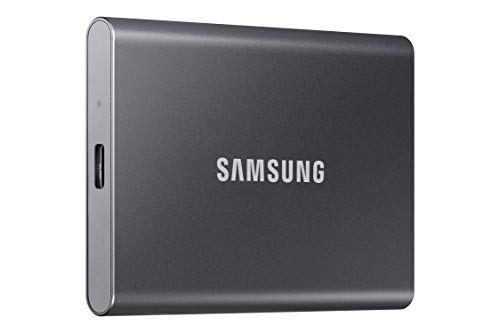
- Up to 1,050MB/s transfer speeds
- Pocketable SSD for on-the-go backups
- Easy fit for active project storage
Best For: Editors needing a fast, portable backup drive for active video projects.
Best Desktop Hub Storage

- 8TB of storage for large video project libraries
- Built-in USB 3.0 hub for cameras and flash drives
- Mac/Windows support with included NTFS driver
Best For: Editors who need a high-capacity desktop backup drive with handy USB expansion.
Best Rugged Pick
SanDisk Extreme Portable SSD 2TB
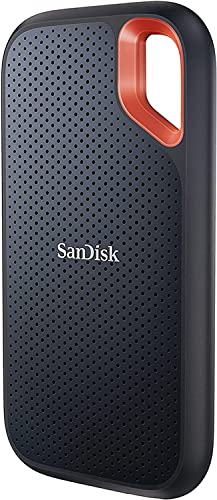
- Up to 1050MB/s read and 1000MB/s write speeds
- IP65 water/dust resistance and up to 3-meter drop protection
- 256-bit AES encryption and a carabiner loop for travel
Best For: Traveling editors who want a fast, rugged backup SSD for field work and project transfers.
Best Portable Backup with Security
WD 5TB My Passport Portable Drive

- 5TB of storage for project backups and archives
- Slim, portable design for moving between edit locations
- Password protection, encryption, and ransomware-aware backup software
Best For: Editors who need a compact, secure backup drive for storing project files and footage.
Best for Fast Offloads
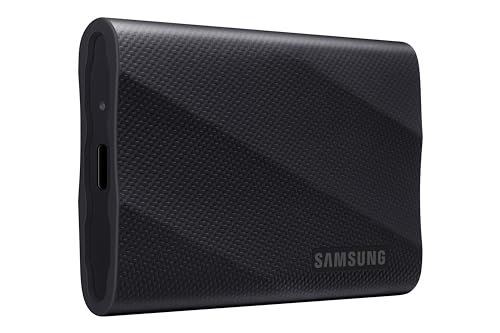
- Up to 2,000MB/s read speeds
- Compact and travel-friendly
- Great for quick project transfers
Best For: Editors who need fast, portable backup storage for active video projects.
Best for Portable Protection
WD My Passport 2TB Portable HDD

- Slim, travel-friendly design for on-the-go backups
- Included software with ransomware defense support
- Password protection and hardware encryption for privacy
Best For: Editors who need a compact, affordable backup drive for project archives and file transfers.
Best for Cross-Device Backup
YOTUO 1TB Portable External Hard Drive

- USB 3.0 and USB-C support for broad compatibility
- Lightweight portable design for travel and field work
- Built-in silicone sleeve helps cushion bumps and drops
Best For: Editors who need a simple backup drive for moving project files across devices.
Best for Simple Plug-and-Play Backups
Seagate Portable 2TB External Hard Drive
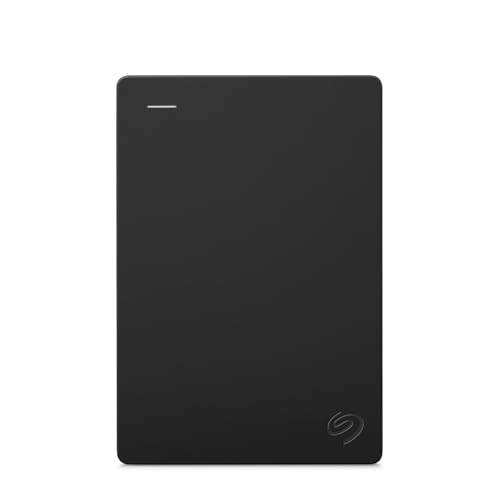
- Easy drag-and-drop backup for everyday project storage
- USB 3.0 and plug-and-play setup keep things simple
- Portable size works well for editors on the move
Best For: Editors who need an affordable, easy backup drive for transferring and archiving project files.
Best Budget Backup Drive
UnionSine 1TB Ultra Slim Portable HDD

- Slim, lightweight design for easy transport
- USB 3.0 plug-and-play convenience
- Good for basic project backups and archiving
Best For: Editors who want an affordable portable drive for backups and light archiving.
Best Portable SSD – Samsung T7 1TB Portable SSD
If you need compact, fast external backup drives for video editing projects, the Samsung T7 is a strong everyday pick. Its 1TB capacity and up to 1,050MB/s transfer speeds make it easy to move project files, caches, and footage between your editing workstation and backup storage without slowing down your workflow.
Best For: Editors who want a fast, pocketable SSD for backing up active projects and shuttling files between devices.
Pros:
- Fast USB 3.2 Gen 2 performance for quick file transfers
- Compact SSD design is easy to carry between shoots or edit bays
- Solid choice for frequent backups of project folders and media assets
- Simple plug-and-play setup for Macs, PCs, and other compatible devices
Cons:
- 1TB may fill up quickly with high-resolution video projects
- Not as cost-effective per terabyte as larger spinning drives
For editors who value speed and portability, the T7 is one of the more practical external backup drives for video editing projects, especially when you need a reliable drive for day-to-day transfers rather than massive long-term archive storage.
Best Desktop Hub Storage – Seagate Backup Plus Hub 8TB
If you need one of the more practical external backup drives for video editing projects, this 8TB desktop drive is built for large media libraries, fast file transfers, and simple everyday backups. The built-in USB hub is especially handy when you want to offload footage from cameras and thumb drives while keeping your workspace organized.
Best For: Editors who want a roomy desktop backup drive with extra USB ports for moving footage and charging devices.
Pros:
- 8TB capacity gives you plenty of room for raw footage, project files, and archives
- Two USB 3.0 ports add convenience for cameras, flash drives, and charging
- Works with Mac and Windows with the included NTFS driver for Mac
- Includes two-year limited warranty and Rescue Data Recovery Services
Cons:
- Desktop form factor is less portable than a small bus-powered drive
- Mechanical hard drive speeds are slower than SSD-based storage
For editors who value high capacity over portability, this drive fits the role well as one of the more useful external backup drives for video editing projects. The extra hub ports and broad compatibility make it a strong desk-side storage option for keeping media organized and backed up.
Best Rugged Pick – SanDisk Extreme Portable SSD 2TB
If you need one of the faster external backup drives for video editing projects, this SanDisk Extreme Portable SSD is built for quick offloads, smooth project transfers, and dependable on-the-go storage. Its 1050MB/s-class speeds make it a strong fit for moving footage between camera, laptop, and backup locations without slowing your workflow.
Best For: Editors and creators who want a fast, pocketable SSD with extra durability for travel and field work.
Pros:
- Fast NVMe performance with up to 1050MB/s read and 1000MB/s write speeds
- IP65 water and dust resistance plus up to 3-meter drop protection
- Compact design with a carabiner loop for easier travel carry
- 256-bit AES hardware encryption for added privacy
Cons:
- Not as cost-effective per terabyte as larger external HDD backups
- Top speeds depend on a compatible USB 3.2 Gen 2 device
For editors who prioritize portability and resilience, this drive is a smart backup companion. It stands out among external backup drives for video editing projects when you need fast transfers and a tougher build for shooting days, but it is less ideal if your main goal is the cheapest possible high-capacity archive.
Best Portable Backup with Security – WD 5TB My Passport Portable Drive
If you need a simple, travel-friendly option for external backup drives for video editing projects, the WD 5TB My Passport gives you plenty of room for project files, proxies, and archived footage in a slim drive you can carry anywhere. It adds password protection, hardware encryption, and included backup software for a more secure, set-it-and-forget-it workflow.
Best For: Editors who want a compact, high-capacity backup drive for on-the-go project storage and basic protection.
Pros:
- 5TB capacity is a strong fit for storing editing assets, exports, and backups
- Slim portable design makes it easy to move between desk, studio, and location
- Includes backup software with ransomware defense
- Password protection and hardware encryption help secure sensitive project files
Cons:
- Mechanical hard drive speeds are slower than portable SSDs for active editing
- Best suited to backup and storage, not heavy real-time editing of large media files
For creators comparing external backup drives for video editing projects, this My Passport is a practical budget-friendly storage choice when capacity, portability, and file protection matter more than top-end transfer speed.
Best for Fast Offloads – Samsung T9 Portable SSD 1TB
If you want a quick, compact pick among external backup drives for video editing projects, the Samsung T9 Portable SSD stands out for fast file transfers and easy on-the-go storage. Its USB 3.2 Gen 2×2 interface is built to move large footage libraries and project backups with less waiting between shoots or edits.
Best For: Editors who need a portable SSD for fast backups, project transfers, and working with large video files.
Pros:
- Up to 2,000MB/s sequential read speeds for speedy transfers
- Compact SSD design is easy to carry between locations
- Good fit for moving raw footage and project files quickly
- USB 3.2 Gen 2×2 support helps maximize performance on compatible systems
Cons:
- Top speeds require a compatible Gen 2×2 USB connection
- 1TB capacity may fill up fast for larger video libraries
- Usually costs more per gigabyte than traditional hard drives
For editors who value speed over maximum capacity, the T9 is a strong choice among external backup drives for video editing projects. It makes sense when your workflow depends on fast turnaround, frequent travel, and reliable storage for active projects.
Best for Simple Cross-Device Backups – ThePhotoStick Omni 128GB
If you want one easy backup stick for quick media archiving, ThePhotoStick® Omni is a practical option to consider among external backup drives for video editing projects, especially when you need to move clips, stills, and phone footage across multiple devices without a complicated setup.
Best For: Creators who need a simple, portable backup solution for photos and short-form video files across iPhone, Android, Mac, and PC.
Pros:
- Automatic backup workflow helps find and save photos, videos, and other files fast.
- 128GB capacity is useful for archiving a large personal media library.
- Wide device support includes USB-A, USB-C, microUSB, and Lightning connections.
- Compatible with common media formats like JPG, PNG, HEIC, MOV, and MPEG4.
Cons:
- Not a high-speed editing drive for working directly off the device.
- Capacity may feel limited for large 4K or multi-project video archives.
- Best suited to simple backups rather than advanced file-management workflows.
Overall, ThePhotoStick Omni makes sense if your priority is easy, cross-device file protection rather than a heavy-duty production drive; for external backup drives for video editing projects, it fits best as a convenient archive and transfer tool.
Best for Portable Protection – WD My Passport 2TB Portable HDD
If you need a simple, carry-anywhere option among external backup drives for video editing projects, the WD My Passport gives you portable capacity, password protection, and included backup software in a slim 2.5-inch design. It’s a practical choice for storing project files, proxies, exports, and general media backups when you want something easy to toss in a bag.
Best For: Editors who want an affordable, portable backup drive for project archives, transfers, and everyday media storage.
Pros:
- Slim, lightweight design makes it easy to travel with production files.
- Included backup software adds convenience, with ransomware defense support.
- Password protection and hardware encryption help secure sensitive projects.
- USB 3.1/3.0 compatibility keeps setup straightforward on modern systems.
Cons:
- Mechanical hard drive speeds are slower than SSDs for active editing.
- 2TB can fill up quickly with 4K footage and large caches.
As one of the more travel-friendly external backup drives for video editing projects, this My Passport model is best for backups and file transport rather than live timeline editing. If your priority is secure, portable storage over raw speed, it fits the job well.
Best for Cross-Device Backup – YOTUO 1TB Portable External Hard Drive
If you need an affordable, portable option for external backup drives for video editing projects, the YOTUO 1TB drive is a simple plug-and-play pick for moving footage, project files, and archives between a PC, Mac, or console. Its USB 3.0 connection keeps transfers moving faster than older USB drives, while the compact design makes it easy to toss in a gear bag for on-the-go editing work.
Best For: Editors who want a lightweight, cross-device backup drive for project files, media libraries, and quick transfers.
Pros:
- USB 3.0 and USB-C support for broad device compatibility
- Compact, lightweight design that travels well with a laptop rig
- Plug-and-play setup for fast backups and file transfers
- Built-in silicone sleeve adds a bit of drop protection
Cons:
- 1TB capacity may fill up quickly with large 4K or multi-cam projects
- HDD speeds are slower than SSDs for active editing workflows
- PS5 and Xbox Series X/S games can’t be run directly from the drive
For creators comparing external backup drives for video editing projects, this YOTUO model makes the most sense as a budget-friendly shuttle drive and archive solution rather than a high-performance scratch disk. It’s a practical choice if you mainly need dependable storage, easy portability, and simple compatibility across multiple devices.
Best for Simple Plug-and-Play Backups – Seagate Portable 2TB External Hard Drive
If you want a no-fuss option among external backup drives for video editing projects, the Seagate Portable 2TB is built for quick drag-and-drop storage and easy portability. It’s a straightforward choice for offloading project files, exports, and archive folders when you need basic backup capacity without extra setup.
Best For: Editors who want an inexpensive, easy-to-use backup drive for moving and storing project files between a PC or Mac.
Pros:
- Simple plug-and-play setup with no software required
- USB 3.0 connectivity for easy file transfers
- Compact enough to carry between editing locations
- Works with Windows and Mac computers
Cons:
- Hard drive speed is slower than an SSD
- 2TB fills up quickly with large 4K video projects
As one of the more basic external backup drives for video editing projects, this Seagate model makes sense if you need affordable, portable storage for backups rather than a high-speed working drive. It’s a practical pick for archiving footage and keeping project copies on hand.
Best Budget Backup Drive – UnionSine 1TB Ultra Slim Portable HDD
If you need a simple, low-cost option for external backup drives for video editing projects, this UnionSine 1TB portable HDD is built for quick offload, archiving, and everyday transport. It keeps setup easy with plug-and-play USB 3.0 compatibility, while the slim, quiet design makes it practical for editing stations and on-the-go backups.
Best For: Editors who want an affordable, ultra-portable drive for backing up footage, project files, and exports.
Pros:
- Compact, pocketable design with a quiet operating profile
- USB 3.0 support for faster transfers than basic USB 2.0 drives
- Plug-and-play setup with no software required
- Includes a three-year warranty and technical support
Cons:
- 1TB capacity may be limiting for larger 4K or multi-project archives
- Mechanical HDD speeds are slower than SSD options for active editing
For editors prioritizing price and portability over top-end speed, this drive is a sensible backup-only pick. It works best as one of the more affordable external backup drives for video editing projects rather than as a primary scratch disk for heavy editing workloads.
How We Picked the Best External Backup Drives for Video Editing Projects
We prioritized drives that make sense for External Backup Drives for Video Editing Projects: fast enough for large footage transfers, available in capacities that fit working libraries, and practical for both active backups and long-term archiving. We also weighed durability, portability, connection type, and brand features such as encryption or backup software.
Quick Comparison
In simple terms, portable SSDs are best for speed, especially when you move 4K or 8K footage often. Portable hard drives offer more capacity per dollar, making them better for archives and secondary backups. Desktop drives are the best choice when you need a large, always-on backup destination at a desk.
Key Buying Factors for External Backup Drives for Video Editing Projects
Speed
Look for SSDs if you need faster ingest, offload, and project shuttle work. USB 3.2 Gen 2 models are a strong baseline, while faster interfaces can help on supported systems. For archive drives, slower HDDs are often acceptable if cost matters more than transfer speed.
Capacity
Match the drive to your workflow. 1TB to 2TB can cover current projects and travel backups, while 4TB to 8TB is more realistic for larger libraries, camera originals, and long-term storage. If you work in high-bitrate formats, capacity disappears quickly.
Reliability and Protection
Choose drives with good file-system compatibility, strong warranty coverage, and useful safeguards such as password protection, hardware encryption, or backup software. If you transport drives regularly, rugged or dust-resistant designs are worth considering.
Portability Vs. Desktop Use
Portable drives are easier to carry between shoots and edit bays. Desktop drives are better if the drive stays in one place and you want more storage for the money. For many editors, a fast portable SSD plus a larger hard-drive archive is the most efficient setup.
Who Should Buy Which External Backup Drives for Video Editing Projects?
Frequent editors working with large raw files should lean toward a portable SSD. Budget-conscious creators who mainly need backup and archiving should choose a high-capacity portable HDD or desktop drive. If you mainly save photos, clips, and phone media, a smaller multi-device backup option may be enough, but it is not a substitute for a serious editing backup workflow.
For most buyers, the best setup is a layered one: one fast drive for active projects and one larger drive for redundant backup. That approach gives you speed when editing and peace of mind when storing finished work.