If you want smoother streaming, cleaner recording, and less cable clutter, an internal capture card can be a smart upgrade for your PC gaming setup. The best options balance passthrough quality, recording resolution, and low latency.
Below, we focus on practical picks for different budgets and use cases, from simple 1080p capture to high-end 4K HDR and HDMI 2.1 performance.
Best 10 Internal Capture Cards for PC Gaming Picks for 2026
Best for Easy Plug-and-Play Streaming
AVerMedia StreamLine MINI+ GC311G2

- 4K60 HDR passthrough with 1080p60 recording
- Plug-and-play USB setup with no drivers
- Works with OBS and AVerMedia Streaming Center
Best For: Streamers who want a simple, low-latency capture solution for consoles or PC gameplay.
Best for PCIe Low-Latency Streaming

- 4K capture at 30fps for clean recording
- Zero-delay HDMI loop-out for live monitoring
- Internal PCIe install with wide software support
Best For: PC gamers and streamers who want an internal PCIe capture card with easy setup and loop-out monitoring.
Best for 4K60 Passthrough
VIXLW 4K Internal Capture Card

- 4K60 passthrough for high-resolution gaming and capture
- Up to 1080p240 recording for fast action
- Low-latency PCIe design for smooth streaming setups
Best For: Streamers and dual-PC gamers who want 4K passthrough and high-FPS capture.
Best for High-Frame-Rate Capture

- 4K60 recording with vivid detail
- 1440p120 / 1080p240 passthrough
- HDR10 support and analog audio input
Best For: Streamers and console players who want smooth high-refresh passthrough with crisp 4K capture.
Best for Easy Setup
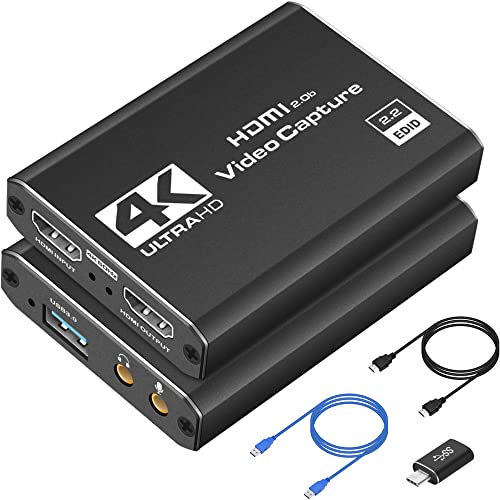
- Plug-and-play USB setup with no drivers
- 1080p 60fps capture plus HDMI loop-out
- Works with OBS, Streamlabs, XSplit, and more
Best For: Streamers and console players who want a simple external capture solution.
Best for 4K HDR Streaming

- 4K60 HDR10 capture with zero-lag pass-through
- Up to 240 fps recording for fast gameplay
- Works with OBS, Streamlabs, and XSplit
Best For: Streamers and console gamers who want premium 4K capture with low latency.
Best for High-Frame-Rate Console Capture
AVerMedia GC571 Ultra HD Capture Card
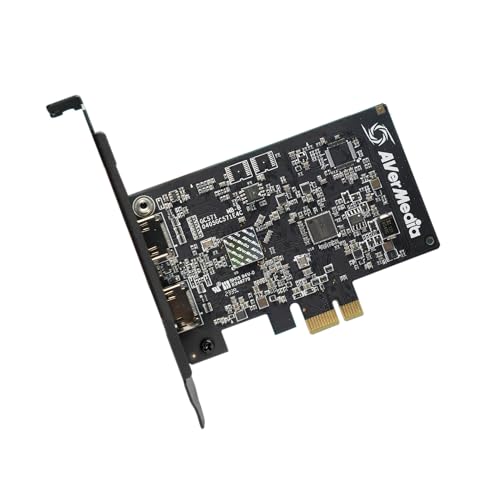
- 4K60 pass-through for smooth gameplay monitoring
- 1080p120 capture support for fast-motion games
- PCIe plug-and-play install with no drivers needed
Best For: Console streamers who want low-latency pass-through and high-frame-rate capture.
Best for High-Res Passthrough
Elgato 4K Pro Internal Capture Card

- 8K60 passthrough with 4K60 HDR10 capture
- HDMI 2.1 and up to 1080p240 recording
- VRR support plus ultra-low latency
Best For: High-end PC gamers and streamers who want premium passthrough and capture quality.
Best for High-Refresh Capture
AVerMedia Live Gamer Extreme 3

- Captures 4K30 and up to 1080p240
- VRR pass-through for smooth gameplay
- Plug-and-play setup with OBS/Twitch support
Best For: Streamers and PC gamers who want high-refresh capture with easy setup.
Best for HDMI 2.1 Console Capture
AVerMedia Live Gamer 4K 2.1 PCIe Card

- HDMI 2.1 input with 4K60 capture
- 240Hz passthrough for smooth gameplay
- Ultra-low latency internal PCIe design
Best For: PC gamers and console streamers who want modern HDMI 2.1 capture with high-refresh passthrough.
Best for Easy Plug-and-Play Streaming – AVerMedia StreamLine MINI+ GC311G2
If you want one of the more approachable internal capture cards for pc gaming-style streaming setups, the AVerMedia StreamLine MINI+ focuses on simple setup, low-latency passthrough, and solid 1080p60 recording. It’s a practical pick for players who want to keep gaming in 4K while sending a clean stream or recording feed to OBS, Twitch, or AVerMedia’s own software.
Best For: Streamers who want an easy-to-use capture solution for consoles or PC gameplay with minimal setup.
Pros:
- 4K60 HDR passthrough keeps gameplay sharp while streaming at 1080p60.
- Plug-and-play USB setup with no drivers required.
- Works with OBS, Streaming Center, and other common streaming apps.
- Flexible capture formats help with editing, streaming, and content creation.
Cons:
- It’s a USB capture card, not a true internal PCIe card.
- Best fit for straightforward streaming rather than advanced multi-input rigs.
- Full advantage depends on a strong console or PC output signal.
For buyers comparing internal capture cards for pc gaming, this model stands out more for convenience than raw complexity: it’s easy to set up, runs with low latency, and handles modern high-refresh passthrough without much fuss.
Best for PCIe Low-Latency Streaming – PCIe 4K HDMI Capture Card
If you want one of the more straightforward internal capture cards for pc gaming, this PCIe HDMI model is built for simple 4K 30fps capture, live streaming, and a low-latency experience thanks to its zero-delay loop-out. It fits a wide range of HDMI sources and works with common tools like OBS, VLC, and other streaming software, making it a practical choice for gamers who want a wired internal install instead of a USB device.
Best For: PC gamers and streamers who want an internal PCIe capture card with loop-out monitoring and easy plug-and-play setup.
Pros:
- 4K capture at 30fps for clear gameplay recording and streaming
- Zero-delay HDMI loop-out for real-time monitoring while you play
- PCIe internal design with broad OS and software compatibility
- Plug-and-play operation with no driver installation required
Cons:
- 30fps capture may be limiting for fast-action or high-frame-rate needs
- Requires an open PCIe slot inside the PC
- Best suited to HDMI sources rather than more specialized pro workflows
For buyers comparing internal capture cards for pc gaming, this card stands out for its low-latency loop-out and easy compatibility more than raw premium specs. It is a solid fit if you want dependable streaming and recording without adding extra setup complexity.
Best for 4K60 Passthrough – VIXLW 4K Internal Capture Card
If you want one of the more capable internal capture cards for pc gaming, this PCIe model is built for high-resolution play and smooth streaming at the same time. It targets creators who want 4K60 passthrough, low-latency monitoring, and broad compatibility with OBS, YouTube, and common chat or meeting apps.
Best For: Streamers and dual-PC users who want 4K60 passthrough with strong recording flexibility for consoles or PC setups.
Pros:
- 4K60 passthrough lets you game at native resolution while capturing clean footage.
- Supports up to 1080p240 recording for fast-paced gameplay.
- Ultra-low-latency design helps keep gameplay and preview in sync.
- Works with OBS and other common streaming software.
Cons:
- Requires an open PCIe slot, so it is less flexible than external capture options.
- Advanced specs may be overkill if you only stream occasionally.
For buyers comparing internal capture cards for pc gaming, this VIXLW model stands out for its mix of 4K passthrough, high-FPS recording, and practical support for both single- and dual-PC streaming rigs.
Best for High-Frame-Rate Capture – Elgato 4K S Capture Card
If you want one of the most versatile internal capture cards for pc gaming, the Elgato 4K S is built for players who care about clean 4K capture and high-refresh passthrough. It’s a strong fit for recording modern console gameplay while keeping your monitor or TV experience smooth and responsive.
Best For: Streamers and console-to-PC creators who want 4K60 recording, fast passthrough, and broad device support in one compact capture solution.
Pros:
- Records in 4K60 for sharp, detailed gameplay footage
- Supports 1440p120 and 1080p240 passthrough for high-refresh setups
- HDR10 support helps preserve vibrant image quality on compatible Windows setups
- Analog 3.5mm audio input adds flexibility for chat or commentary capture
Cons:
- Windows-only HDR tone mapping limits some advanced features on other systems
- Overkill if you only need basic 1080p capture
For buyers comparing internal capture cards for pc gaming, this Elgato model stands out for balancing image quality, passthrough speed, and cross-platform compatibility. It’s a practical pick if you want future-proof capture without moving up to a more expensive pro setup.
Best for Easy Setup – 4K HDMI Capture Card USB 3.0
If you want a simple way to add recording or streaming to your setup, this USB 3.0 capture card is a practical alternative to more complex internal capture cards for pc gaming. It’s built for quick plug-and-play use, supports OBS and similar tools, and offers HDMI passthrough so you can keep playing with minimal interruption.
Best For: Streamers, console players, and beginners who want an easy external capture solution for PS5, Xbox, Switch, or PC gameplay.
Pros:
- Plug-and-play setup with no driver install required
- 1080p 60fps capture with HDMI loop-out for smoother monitoring
- Works with OBS, Streamlabs, XSplit, and multiple HDMI devices
- Compact USB design is easy to pack for travel or LAN events
Cons:
- Not an internal PCIe card, so it may not suit permanent desktop builds
- Capture resolution tops out at 1080p 60fps despite 4K passthrough positioning
- Best results depend on a solid USB 3.0 connection and compatible software
For creators who want a low-hassle recording option, this model covers the essentials without the installation burden of many internal capture cards for pc gaming. It’s a strong pick if you value portability, easy setup, and reliable gameplay capture over advanced pro features.
Best for 4K HDR Streaming – AVerMedia GC573 Live Gamer 4K
If you want one of the strongest internal capture cards for pc gaming, the AVerMedia GC573 is built for high-end 4K60 HDR10 capture with near-zero lag pass-through. It’s a solid fit if you stream on OBS, Twitch, or YouTube and want clean console capture without giving up smooth gameplay on your main display.
Best For: Streamers and console players who want 4K60 HDR capture, ultra-low latency, and broad software support.
Pros:
- Captures 4K60 HDR10 with zero-lag pass-through
- Supports high-frame-rate recording up to 240 fps
- Works with OBS, Streamlabs, and XSplit
- Good fit for PS5, Xbox Series X/S, and PS4 Pro
Cons:
- Requires an internal PCIe install
- More card than casual or budget streamers may need
For creators who care about image quality and latency, this is one of the most capable internal capture cards for pc gaming in the 4K HDR class. It’s especially compelling if you want a reliable console-capture setup that can handle both sharp visuals and fast-motion gameplay.
Best for High-Frame-Rate Console Capture – AVerMedia GC571 Ultra HD Capture Card
If you want one of the more capable internal capture cards for pc gaming, the AVerMedia GC571 is built for smooth console capture with 4K60 pass-through, 4K30 recording, and 1080p120 support. It is a practical fit for streamers who want low-latency gameplay on PS5, Xbox Series X/S, or Switch without adding a complicated setup.
Best For: Streamers and console players who want a simple PCIe capture card with strong pass-through specs and high-frame-rate support.
Pros:
- 4K60 pass-through keeps gameplay sharp on your main display while you record or stream.
- 1080p120 capture support helps preserve smooth motion for fast-paced games.
- PCIe plug-and-play design avoids driver-heavy setup for easier installation.
- VRR support is a big plus for compatible consoles and displays.
Cons:
- 4K capture is limited to 30fps, so it is not ideal for 4K60 recording workflows.
- Best suited to PCIe-equipped desktops, not laptops or portable rigs.
For buyers comparing internal capture cards for pc gaming, this model stands out most for console-friendly pass-through and high-frame-rate capture rather than all-out creator features. It is a smart pick if you want clean footage, responsive gameplay, and a straightforward internal install.
Best for High-Res Passthrough – Elgato 4K Pro Internal Capture Card
If you want one of the most capable internal capture cards for pc gaming, the Elgato 4K Pro is built for high-end setups that need smooth passthrough, strong capture quality, and broad streaming compatibility. It handles 8K60 passthrough, records up to 4K60 HDR10, and supports HDMI 2.1 plus VRR for modern gaming displays.
Best For: PC gamers and streamers who want a high-spec internal capture card for a dual-PC or premium single-PC setup.
Pros:
- 8K60 passthrough with 4K60 HDR10 capture for high-end gaming rigs
- HDMI 2.1 support with up to 1080p240 recording for fast-action gameplay
- VRR passthrough helps reduce tearing during play and streaming
- Works with popular apps like OBS, Streamlabs, Twitch Studio, and more
Cons:
- More expensive than basic internal capture options
- Best value comes from advanced monitors, consoles, or high-refresh PC setups
This is a strong pick if you want a future-ready card with serious passthrough and recording specs. Among internal capture cards for pc gaming, it stands out most for enthusiasts who care about smooth visuals, low latency, and flexible streaming workflows.
Best for High-Refresh Capture – AVerMedia Live Gamer Extreme 3
If you want one of the more flexible internal capture cards for pc gaming, the AVerMedia Live Gamer Extreme 3 is built for smooth high-frame-rate capture without making setup complicated. It records 4K30 while supporting up to 1080p240 capture and offers VRR pass-through, so it fits well for players who want responsive gameplay and clean streaming at the same time.
Best For: Streamers and PC gamers who want high-refresh capture with easy plug-and-play setup.
Pros:
- Captures 4K30 and up to 1080p240 for fast-paced gameplay
- VRR pass-through helps keep gameplay smooth at 1440p120 or 1080p120
- Zero-latency pass-through is useful for competitive play and streaming
- Works with OBS, Twitch, Windows, and Mac for broad compatibility
Cons:
- Only captures 4K at 30fps, not 4K60
- Not an internal PCIe card, so it may not suit buyers specifically seeking an internal install
Overall, this is a strong pick if you care more about high-refresh capture and easy use than raw 4K60 specs. For buyers comparing internal capture cards for pc gaming, it stands out for smooth pass-through and straightforward streaming support.
Best for HDMI 2.1 Console Capture – AVerMedia Live Gamer 4K 2.1 PCIe Card
If you want one of the more future-ready internal capture cards for pc gaming, the AVerMedia Live Gamer 4K 2.1 stands out with HDMI 2.1 input, 4K60 capture, and support for high refresh-rate passthrough up to 240Hz. It is a strong fit for streamers who want clean console recording without giving up smooth gameplay on a high-end monitor.
Best For: PC gamers and console streamers who want HDMI 2.1 passthrough, 4K60 capture, and low-latency performance.
Pros:
- HDMI 2.1 support with 4K60 capture
- Up to 240Hz passthrough for fast gaming displays
- Ultra-low latency for streaming and recording
- PCIe Gen 3 x4 internal design
Cons:
- Requires an open PCIe slot inside the PC
- Overkill if you only need basic 1080p capture
- Best value depends on having HDMI 2.1-compatible gear
For buyers comparing internal capture cards for pc gaming, this model makes the most sense when you care about both top-tier passthrough and modern console capture. It is especially appealing if your setup already includes a 4K high-refresh monitor and you want to keep gameplay feeling native while recording.
How We Picked the Best Internal Capture Cards for PC Gaming
For Internal Capture Cards for PC Gaming, the most important factors are passthrough compatibility, capture resolution and frame rate, latency, and whether the card fits your PC and display setup. We also looked for models that make streaming and recording easier without introducing unnecessary signal loss or lag.
Quick Comparison
If you want a simple rule of thumb: choose 1080p60 if you mainly stream competitive games, 4K60 if you want a strong long-term balance, and HDMI 2.1/8K passthrough if you own a next-gen console or high-refresh monitor and want maximum flexibility.
Key Buying Factors for Internal Capture Cards for PC Gaming
Passthrough Support
Passthrough lets you play on your monitor while the card captures video in the background. Check for 4K60, 1440p120, 1080p240, or HDMI 2.1 passthrough depending on your display and console or GPU output.
Capture Resolution and Frame Rate
Higher capture quality is useful for editing, archival recording, and future-proofing. Most streamers still do well with 1080p60, but 4K60 capture is a better all-around choice if your system can handle it.
Latency and Signal Stability
Low latency matters if you play through the captured signal or rely on a preview window. Look for cards marketed as ultra-low latency, zero-delay loop-out, or near-zero delay if responsiveness is a priority.
HDR, VRR, and HDMI 2.1
HDR support helps preserve image quality, while VRR can be important for modern gaming displays. HDMI 2.1 support is especially valuable for PS5, Xbox Series X/S, and high-refresh PC gaming.
Internal Vs External Design
Internal cards typically offer a cleaner desktop setup and direct PCIe connection, which can be appealing for dedicated streamers. Make sure your motherboard has the right slot and enough case space before buying.
Who Should Buy Which Internal Capture Cards for PC Gaming?
Choose a budget-friendly 1080p or 4K30 model if you are just starting out or mostly record casual gameplay. Go with a midrange 4K60 card if you want the best balance for most streamers. Pick a premium HDMI 2.1 card if you want the strongest future-proofing, especially for 4K HDR, high refresh rates, and next-gen console support.
For most PC gamers, the sweet spot is a card that offers reliable 4K60 capture, low latency passthrough, and solid software support. That combination is usually the best mix of quality, convenience, and long-term value.