If your internet plan is getting faster, your router should keep up. A gaming router with a 2.5G WAN port can help reduce bottlenecks, improve wired performance, and make room for heavy streaming and downloads.
In this roundup, we focused on models that balance speed, gaming features, and practical home coverage so you can pick the right fit for your setup.
Best 10 Gaming Routers with 2.5g Wan Port Picks for 2026
Multi-Gig Customization Pick
Dual 2.5G Wi-Fi 6 Gaming Router

- Dual 2.5G ports for multi-gig modem and device connections
- Wi‑Fi 6 with 8-stream design and up to 6 Gbps theoretical speed
- WireGuard/OpenVPN support plus AdGuard Home integration
Best For: DIY gamers who want multi-gig wired ports and OpenWrt flexibility
High-Capacity Wi‑Fi 7 Option
Wi‑Fi 7 Router with 10G and 2.5G Ports

- 1x 10G WAN/LAN, 1x 2.5G WAN/LAN, and 3x 2.5G LAN ports
- Wi‑Fi 7 support with 320 MHz channels and Multi-Link Operation
- Covers up to 2,600 sq. ft. and 120 devices
Best For: Large homes and multi-gig gaming setups needing wired flexibility
Wi‑Fi 7 Multi-Gig Gamer

- Five 2.5G ports for flexible multi-gig wired setups
- Tri-band Wi‑Fi 7 with 6GHz and up to 9 Gbps wireless speed
- WireGuard/OpenVPN support plus AdGuard Home and parental controls
Best For: Gamers wanting Wi‑Fi 7, low latency, and lots of 2.5G ports
Balanced Wi‑Fi 7 Pick

- Dual 2.5Gbps ports for fast WAN and wired device use
- Wi‑Fi 7 with MLO, Multi-RUs, and 4K-QAM
- EasyMesh, HomeShield, and VPN support
Best For: Gamers and households wanting a simple dual 2.5G Wi‑Fi 7 router
Value Wi-Fi 6 Pick
TP-Link Archer AX80 with 2.5G WAN/LAN
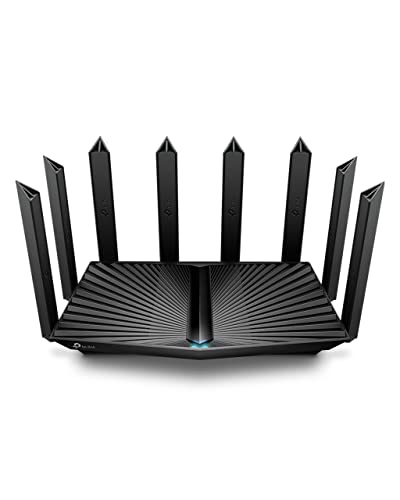
- 2.5G multi-gig WAN/LAN port
- Wi‑Fi 6 speeds up to 4804 Mbps on 5 GHz
- Eight antennas with Beamforming
Best For: Gamers wanting a reliable Wi‑Fi 6 router with multi-gig wired input and wide coverage
Premium Wi-Fi 7 Upgrade

- One 2.5G WAN and four 2.5G LAN ports
- Wi‑Fi 7 tri-band speeds up to 5760 Mbps on 6 GHz
- EasyMesh support for whole-home expansion
Best For: Power users and gamers who want Wi‑Fi 7 with multiple multi-gig ports
Budget Wi-Fi 7 Gaming Pick

- 2.5G WAN port with 4x 1G LAN ports
- Wi‑Fi 7 dual-band speeds up to 6500 Mbps
- Broadcom 2 GHz quad-core CPU
Best For: Budget-minded gamers who want Wi‑Fi 7 and a 2.5G WAN port
Editor’s Pick
TP-Link AXE5400 Tri-Band Wi‑Fi 6E Gaming Router

- 2.5G WAN port for multi-gig internet
- Tri-band Wi‑Fi 6E up to 5.4 Gbps
- Gaming acceleration, panel, and EasyMesh support
Best For: Gamers wanting a multi-gig WAN port plus Wi‑Fi 6E
Value Pick
TP-Link AXE5400 Wi‑Fi 6E Router with 2.5Gbps WAN

- 2.5Gbps WAN port for multi-gig plans
- Tri-band Wi‑Fi 6E up to 5400 Mbps
- OneMesh, VPN support, and WPA3 security
Best For: Users wanting a simple Wi‑Fi 6E router with multi-gig WAN
Wi‑Fi 7 Choice
TP-Link BE6500 Gaming Router with Dual 2.5G Ports
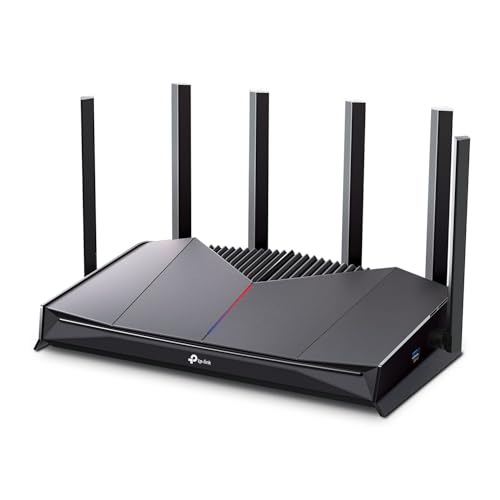
- Wi‑Fi 7 with up to 6.5 Gbps combined speed
- 1x 2.5G WAN/LAN plus 1x 2.5G LAN port
- Game acceleration, QoS, and WTFast support
Best For: Gamers who want Wi‑Fi 7 and dual 2.5G ports
Multi-Gig Customization Pick – Dual 2.5G Wi-Fi 6 Gaming Router
If you want gaming routers with 2.5g wan port support and also need flexible wired capacity, the GL.iNet Flint 2 is built around dual 2.5G ports plus Wi‑Fi 6. It’s a practical pick for gamers who want multi-gig connectivity, VPN support, and OpenWrt-based customization in one box.
Best For: Gamers and DIY users who want dual 2.5G ports, strong VPN performance, and OpenWrt flexibility.
Pros:
- Dual 2.5G ports make it easy to connect a multi-gig modem and a fast wired device.
- Wi‑Fi 6 with 8-stream design and up to 6 Gbps theoretical speeds.
- WireGuard and OpenVPN performance is rated up to 900 Mbps and 880 Mbps.
- Supports AdGuard Home and over a hundred devices, which suits advanced home networks.
Cons:
- Firmware should be updated at initial setup to get the best performance.
- It is a dual-band Wi‑Fi 6 model, not a Wi‑Fi 7 router.
Overall, Flint 2 stands out if you care more about multi-gig flexibility and customization than chasing the newest wireless standard. It’s a strong balance of gaming-ready wired speed, VPN features, and open-source control.
High-Capacity Wi‑Fi 7 Option – Wi‑Fi 7 Router with 10G and 2.5G Ports
For buyers comparing gaming routers with 2.5g wan port options, the TP-Link Archer BE600 adds a lot of wired headroom with one 10G WAN/LAN port, one 2.5G WAN/LAN port, and three 2.5G LAN ports. Its Wi‑Fi 7 feature set also makes it a strong choice if you want a router that can handle modern gaming devices and heavy household traffic.
Best For: Large homes and gamers who want Wi‑Fi 7 plus a serious multi-gig port selection.
Pros:
- Includes 1x 10G WAN/LAN, 1x 2.5G WAN/LAN, and 3x 2.5G LAN ports.
- Wi‑Fi 7 features include Multi-Link Operation, Multi-RUs, 4K-QAM, and up to 320 MHz channels.
- Rated for up to 2,600 sq. ft. and 120 devices.
- Supports VPN server/client functions, HomeShield security, and easy app or web setup.
Cons:
- The feature set is broad, which may be more than some basic setups need.
- Best value depends on whether you can actually use the 10G or 2.5G wired hardware.
This model is best when you want top-end connectivity rather than just a single fast port. If your network includes multi-gig internet, a capable modem, or several wired devices, the BE600 gives you room to grow.
Wi‑Fi 7 Multi-Gig Gamer – Tri-Band Wi‑Fi 7 VPN Router
If you want gaming routers with 2.5g wan port connectivity in a newer Wi‑Fi 7 package, the GL.iNet Flint 3 focuses on speed, low latency, and flexible wired networking. It combines tri-band Wi‑Fi 7 with five 2.5G ports, making it a strong fit for gamers who want both wireless performance and multi-gig Ethernet.
Best For: Gamers who want a tri-band Wi‑Fi 7 router with multiple 2.5G ports and VPN features.
Pros:
- Five 2.5G ports give you plenty of multi-gig wired connectivity.
- Tri-band Wi‑Fi 7 with 6GHz support and up to 9 Gbps wireless speed.
- WireGuard and OpenVPN speeds are rated up to 680 Mbps.
- Includes AdGuard Home support, parental controls, and MLO technology.
Cons:
- Firmware update is recommended during initial setup.
- Coverage is listed for up to 2,000 sq. ft., which may be modest for very large homes.
Flint 3 is a strong option if you want a gaming-focused router with a lot of 2.5G wiring options and modern Wi‑Fi 7 features. It is especially appealing for users who value low latency, VPN control, and advanced networking tools.
Balanced Wi‑Fi 7 Pick – Dual 2.5G Wi‑Fi 7 Router
The TP-Link Archer BE400 is a straightforward choice if you’re shopping for gaming routers with 2.5g wan port support and want Wi‑Fi 7 without moving to a tri-band design. Its dual 2.5Gbps ports, Wi‑Fi 7 features, and Mesh compatibility make it a sensible fit for a fast gaming and streaming home network.
Best For: Gamers and families who want a dual 2.5G Wi‑Fi 7 router with easy setup and mesh support.
Pros:
- Dual 2.5Gbps ports provide fast wired support for a multi-gig modem and a key device.
- Wi‑Fi 7 includes MLO, Multi-RUs, and 4K-QAM.
- Rated up to 2,400 sq. ft. and 90 devices.
- Supports EasyMesh, HomeShield, private IoT network features, and VPN client/server functions.
Cons:
- It is dual-band, so it lacks the extra 6GHz band found on tri-band models.
- Top wired capacity is lower than routers that include 10G ports.
BE400 is a balanced pick for buyers who want a modern Wi‑Fi 7 router with practical multi-gig connectivity but do not need the most extreme port selection. It offers a useful mix of speed, security, and mesh expandability.
Value Wi-Fi 6 Pick – TP-Link Archer AX80 with 2.5G WAN/LAN
If you want gaming routers with 2.5g wan port support without jumping to Wi-Fi 7 pricing, the TP-Link Archer AX80 is a practical Wi‑Fi 6 option. It combines a 2.5G multi-gig port, strong dual-band wireless speeds, and features like MU-MIMO and OFDMA to help keep latency down when multiple devices are active.
Best For: Gamers and households that want a fast, future-ready Wi‑Fi 6 router with multi-gig wired input and wide coverage.
Pros:
- 2.5G multi-gig WAN/LAN port helps avoid a wired bottleneck with faster internet plans.
- Wi‑Fi 6 dual-band speeds up to 4804 Mbps on 5 GHz and 1148 Mbps on 2.4 GHz.
- Eight high-gain antennas with Beamforming are designed for broader home coverage.
- MU-MIMO and OFDMA are included to improve efficiency with many connected devices.
Cons:
- It is Wi‑Fi 6, not Wi‑Fi 7, so it is less cutting-edge than newer models.
- Only one 2.5G port is highlighted, rather than multiple multi-gig ports.
The AX80 makes sense if you want multi-gig wired connectivity and stable performance for gaming, streaming, and everyday use, while keeping the setup simpler than a newer tri-band flagship.
Premium Wi-Fi 7 Upgrade – TP-Link Archer BE550 Tri-Band
For buyers comparing gaming routers with 2.5g wan port options, the TP-Link Archer BE550 stands out as a more premium Wi‑Fi 7 choice. Its tri-band design, full set of 2.5G WAN and LAN ports, and features like Multi-Link Operation and 320 MHz channels are built for fast gaming, heavy streaming, and a future-proof wired backbone.
Best For: Power users and gamers who want a Wi‑Fi 7 router with multiple multi-gig ports and easy mesh expansion.
Pros:
- One 2.5G WAN port plus four 2.5G LAN ports for a strong multi-gig setup.
- Wi‑Fi 7 tri-band speeds reach up to 5760 Mbps on 6 GHz, 2880 Mbps on 5 GHz, and 574 Mbps on 2.4 GHz.
- Designed for streaming and gaming, including 4K/8K streaming and AR/VR use.
- EasyMesh support makes it easier to expand coverage across a whole home.
Cons:
- More expensive and feature-rich than a basic Wi‑Fi 6 router.
- Tri-band and Wi‑Fi 7 capabilities may be more than casual users need.
If you want the strongest wired and wireless feature set in this group, the BE550 is the most future-ready pick thanks to its multiple 2.5G ports and Wi‑Fi 7 performance.
Budget Wi-Fi 7 Gaming Pick – Cudy BE6500 WR6500H
The Cudy BE6500 is a straightforward option in gaming routers with 2.5g wan port support, especially if you want Wi‑Fi 7 without moving to a tri-band design. It pairs a 2.5G WAN port with a quad-core Broadcom CPU, 6500 Mbps wireless speeds, and mesh compatibility for users who want fast gaming and flexible expansion.
Best For: Budget-minded gamers who want Wi‑Fi 7, a 2.5G WAN port, and simple app-based management.
Pros:
- 2.5G WAN port and four 1G LAN ports provide fast wired connectivity for gaming gear.
- Wi‑Fi 7 dual-band design delivers up to 6500 Mbps for smoother gaming and streaming.
- Broadcom 2 GHz quad-core CPU supports strong routing performance.
- VPN server/client support and Cudy Mesh add flexibility for privacy and expansion.
Cons:
- Dual-band design lacks the extra 6 GHz band found on tri-band Wi‑Fi 7 routers.
- LAN ports are limited to 1 Gbps, so only the WAN side is multi-gig.
This router is a solid fit if you want the newest Wi‑Fi 7 standard and a 2.5G internet uplink, but do not need the higher-end port count of a premium multi-gig model.
Editor’s Pick – TP-Link AXE5400 Tri-Band Wi‑Fi 6E Gaming Router
If you want gaming routers with 2.5g wan port support and a stronger focus on low-lag performance, the Archer GXE75 brings tri-band Wi‑Fi 6E, a 2.5G WAN port, and gaming-specific acceleration tools into one package. It’s aimed at players who want faster wired uplinks, cleaner 6 GHz connectivity, and simple controls for tuning a home gaming network.
Best For: Gamers who want a 2.5G WAN port, Wi‑Fi 6E, and built-in gaming optimization tools.
Pros:
- 2.5G WAN port for multi-gig modem connections.
- Tri-band Wi‑Fi 6E with up to 5.4 Gbps total wireless speed.
- Gaming port, game acceleration, and an intuitive game panel.
- EasyMesh support for expanding whole-home coverage.
Cons:
- Only one 2.5G port, with the rest limited to 1G LAN.
- Wi‑Fi 6E benefits depend on 6 GHz-capable devices.
- Gaming RGB and panel features may be more than some buyers need.
Overall, the GXE75 is a strong fit if you want a gaming-first router with multi-gig WAN access and tools that help prioritize games and connected gear. It balances speed, security, and home expansion in a way that suits serious players.
Value Pick – TP-Link AXE5400 Wi‑Fi 6E Router with 2.5Gbps WAN
For shoppers comparing gaming routers with 2.5g wan port options, the Archer AXE75 is a practical pick that mixes Wi‑Fi 6E, a 2.5Gbps WAN port, and straightforward whole-home coverage features. It’s built for faster browsing, gaming, streaming, and downloading, with the 6 GHz band helping reduce latency where supported devices are available.
Best For: Buyers who want a straightforward Wi‑Fi 6E router with a 2.5Gbps WAN port and strong everyday performance.
Pros:
- 2.5Gbps WAN port for faster internet plans.
- Tri-band Wi‑Fi 6E with up to 5400 Mbps total speed.
- OneMesh support for extending coverage.
- VPN server/client support and WPA3 security.
Cons:
- LAN port bandwidth is listed at 1000 Mbps.
- Best 6 GHz performance requires compatible Wi‑Fi 6E devices.
- Fewer gaming-specific extras than dedicated gaming routers.
The AXE75 is a well-rounded choice if you want multi-gig WAN support without moving into a more feature-heavy gaming model. It’s especially appealing when you care about speed, stability, and easy expansion more than flashy extras.
Wi‑Fi 7 Choice – TP-Link BE6500 Gaming Router with Dual 2.5G Ports
If you’re shopping gaming routers with 2.5g wan port support and want newer Wi‑Fi 7 hardware, the Archer GE400 stands out with dual 2.5G ports, game acceleration, and a dedicated gaming dashboard. It’s a dual-band router, so it skips 6 GHz, but it still aims for fast wireless performance and responsive wired connectivity for consoles and PCs.
Best For: Gamers who want Wi‑Fi 7, dual 2.5G ports, and built-in traffic prioritization.
Pros:
- Includes 1x 2.5Gbps WAN/LAN port and 1x 2.5Gbps LAN port.
- Wi‑Fi 7 support with up to 6.5 Gbps combined wireless speed.
- Game acceleration, QoS, and WTFast support.
- EasyMesh support and a dedicated game panel.
Cons:
- No 6 GHz band.
- Dual-band design may not suit users specifically seeking tri-band Wi‑Fi.
- Multi-gig benefits are best used with compatible modem and devices.
The GE400 is the most future-focused of the three if Wi‑Fi 7 and multi-gig wired performance matter most. It’s a good fit for players who want a router centered on gaming optimization and faster wired throughput.
How We Picked the Best Gaming Routers with 2.5g Wan Port
We prioritized routers that combine a 2.5G WAN port with strong overall hardware: current-gen Wi-Fi support, enough LAN ports for consoles and PCs, and processors that can handle gaming traffic, streaming, and multiple connected devices. We also looked for useful extras such as QoS/game acceleration, mesh support, VPN tools, and USB ports where they add real value.
Quick Comparison
At a high level, Wi-Fi 7 models are the most future-ready choice, especially if you want the latest wireless features and multi-gig flexibility. Wi-Fi 6 and 6E routers can still be excellent buys if you want a lower price, solid stability, and strong gaming performance. Tri-band designs are often better for busy households, while dual-band options can be a smarter pick for smaller homes or tighter budgets.
Key Buying Factors for Gaming Routers with 2.5g Wan Port
WAN and LAN Port Layout
Check whether the router offers only a 2.5G WAN port or multiple multi-gig ports. If you game on Ethernet and also use a fast NAS, PC, or switch, extra 2.5G LAN ports can be a major advantage.
Wi-Fi Standard and Band Count
Wi-Fi 7 is ideal if you want the newest platform and better long-term headroom. Wi-Fi 6E can be a sweet spot for performance and value, while Wi-Fi 6 remains perfectly capable for many households. Tri-band models help spread traffic more efficiently, especially when several people are gaming, streaming, or downloading at once.
Latency and Traffic Prioritization
For gaming, raw speed matters less than consistency. Look for features like adaptive QoS, device prioritization, and gaming acceleration tools that can keep ping times steadier under load.
Coverage and Device Load
Match the router to your home size and device count. A powerful router with a 2.5G WAN port is only useful if it can also cover your space reliably and handle your number of users without slowing down.
Software and Expandability
EasyMesh, VPN support, app-based management, and security controls can make the router easier to live with over time. These are especially helpful if you plan to expand your network later.
Who Should Buy Which Gaming Routers with 2.5g Wan Port?
Choose a Wi-Fi 7 model if you want the best long-term upgrade path and have a fast internet plan to match. Pick a Wi-Fi 6E router if you want strong gaming performance at a better price. Go with a dual-band model if your setup is simpler and you care more about value than maximum wireless capacity. If you have a large household or many connected devices, a tri-band option is usually the safest choice among Gaming Routers with 2.5g Wan Port.