A hiking phone has to do more than survive a splash. It needs enough power for maps and photos, a screen you can use on the trail, and the right connectivity for home and travel.
These 10 rugged smartphones span pocket-friendly models, high-capacity battery phones, and options with camping lights or night-vision cameras. The best choice depends on what you carry—and how long you’ll be away from an outlet.
Best 10 Rugged Smartphones for Hiking and Camping Picks for 2026
Long-Trip Battery Pick

- 10,000mAh battery
- IP68/IP69 protection
- Physical T-Mobile Nano SIM only
Best For: T-Mobile users planning longer outdoor trips
Campsite Utility Pick

- 22,000mAh battery
- Built-in 1,000-lumen light
- Heavy at a listed 647g
Best For: Campers wanting a bright built-in light
Loud-Speaker Pick

- Speaker rated up to 123 dB
- 10,600mAh battery
- T-Mobile compatibility specified
Best For: T-Mobile users needing audible outdoor alerts
Night-Vision Pick

- 24MP infrared night vision
- 6,320mAh battery
- Listed 300g weight
Best For: Hikers interested in nighttime imaging
Compact Trail Pick

- 5.65-inch Gorilla Glass 5 display
- 120-lumen light and night-vision camera
- IP68/IP69K; not for AT&T or Cricket
Best For: Hikers seeking a smaller phone with practical outdoor tools
Campsite Light Pick
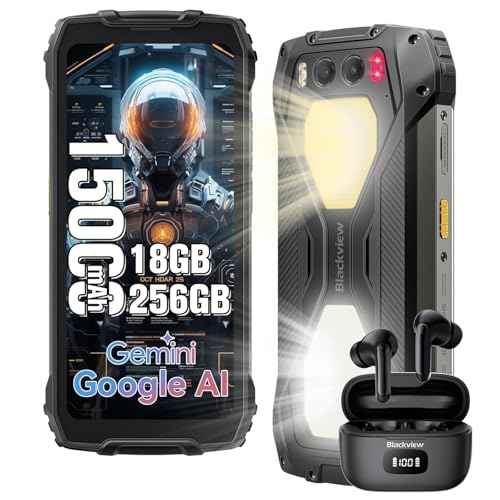
- Adjustable dual camping lights with SOS mode
- 15,000mAh battery and 45W charging
- 20MP night vision; IP68/IP69K
Best For: Campers wanting a phone that doubles as a campsite light
Extended Battery Pick

- 10,000mAh battery with USB OTG
- 256GB storage; TF expansion up to 2TB
- 4G carrier restrictions require checking
Best For: T-Mobile-network users prioritizing battery and storage
Best for Battery Swaps

- Two included swappable 4,800mAh batteries
- 230-lumen flashlight and IR night vision
- Not compatible with AT&T or Cricket
Best For: Multi-day trips with limited charging access
Best for High-Capacity Power

- 10,000mAh battery with 55W charging
- 170-lumen adjustable camping light
- Stated weight: 420g
Best For: Campers prioritizing battery capacity and lighting
Best for Backpack Attachment
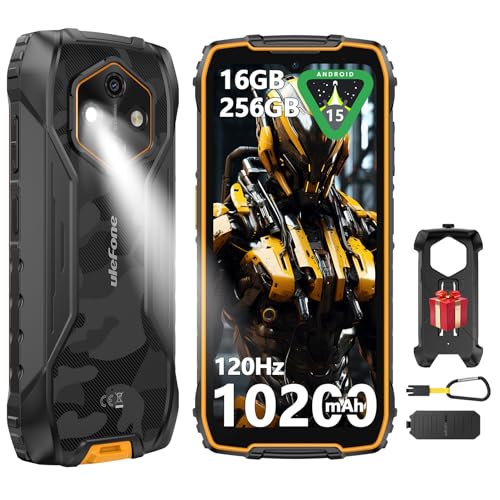
- 10,200mAh battery
- Included case with clip and carabiner
- Charging dock sold separately
Best For: Hikers wanting accessible pack attachment
Long-Trip Battery Pick – AGM HMAX
Among rugged smartphones for hiking and camping, the AGM HMAX stands out for its 10,000mAh battery and practical GPS navigation. Its IP68/IP69 protection suits wet, dusty outings, provided your service uses a compatible T-Mobile physical Nano SIM.
Best For: T-Mobile users who prioritize battery capacity on longer outdoor trips.
Pros:
- 10,000mAh battery supports extended use between charges; runtime varies by use and signal.
- IP68/IP69 rating and stated 1.8m drop protection.
- GPS, NFC, OTG, and expandable storage add everyday utility.
Cons:
- Works only with a physical T-Mobile Nano SIM or select T-Mobile MVNOs; no eSIM or AT&T/Verizon support.
- At a listed 662g and 17mm thick, it is substantial to carry.
Choose the HMAX if battery capacity matters more than pocket comfort, but verify your carrier and SIM before ordering.
Campsite Utility Pick – Ulefone Armor 24
For shoppers comparing rugged smartphones for hiking and camping, the Ulefone Armor 24 combines a 22,000mAh battery with a built-in 1,000-lumen light. A 64MP infrared night-vision camera and IP68/IP69K protection add useful outdoor capabilities.
Best For: Campers who want a phone that doubles as a bright campsite light.
Pros:
- 22,000mAh battery, 66W charging, and up to 10W reverse charging.
- Built-in light offers three modes and three brightness levels.
- 6.78-inch FHD+ 120Hz display and 64MP infrared night-vision camera.
Cons:
- Listed 647g weight makes it heavy for a hiking pocket.
- Listing says it is incompatible with AT&T, Cricket, Sprint, and Boost Mobile.
The Armor 24 makes the strongest case when its light and oversized battery can replace separate campsite gear. Check carrier compatibility before purchase.
Loud-Speaker Pick – FOSSiBOT F101P
The FOSSiBOT F101P offers a smaller 5.45-inch screen than the other rugged smartphones for hiking and camping here, while pairing a 10,600mAh battery with a speaker rated up to 123 dB. Its loud alerts could be useful around a busy campsite.
Best For: T-Mobile users who want loud notifications and a smaller display.
Pros:
- 10,600mAh battery with 18W charging and OTG reverse charging.
- Waterproof speaker rated up to 123 dB; hearing-aid compatibility is listed.
- IP68/IP69K ratings and stated 1.5m drop resistance.
Cons:
- Listing specifies T-Mobile compatibility and excludes AT&T, Cricket, and other networks.
- 64GB built-in storage may call for a microSD card if you save many photos or offline files.
Its compact screen and standout speaker make it a practical choice if you value audible calls over a spacious map display. Confirm network support first.
Night-Vision Pick – Ulefone Armor X13
The Ulefone Armor X13 is one of the rugged smartphones for hiking and camping to consider if nighttime photography matters. It pairs a 50MP main camera with a 24MP infrared night-vision camera, plus IP68/IP69K protection.
Best For: Hikers who want night-vision imaging without carrying one of the largest-battery phones.
Pros:
- 24MP infrared night-vision camera alongside a 50MP main camera.
- IP68/IP69K ratings and stated 1.5m drop resistance.
- GPS, GLONASS, BeiDou, and Galileo navigation support; 6,320mAh battery offers reverse charging.
Cons:
- 64GB internal storage is modest for frequent photos and downloaded maps.
- 6.52-inch HD+ screen has a listed 60Hz refresh rate.
At a listed 300g, the X13 is lighter than the AGM HMAX and Armor 24, though its battery capacity is smaller. Verify carrier compatibility before relying on it for a trip.
Compact Trail Pick – Ulefone Armor X32
Among rugged smartphones for hiking and camping, the Ulefone Armor X32 stands out for its palm-friendly 5.65-inch screen, 120-lumen flashlight, and 20MP night-vision camera. Its 5,500mAh battery and IP68/IP69K ratings suit days spent away from a desk.
Best For: Hikers who want a smaller rugged phone with a built-in light and night-vision camera.
Pros:
- Compact 5.65-inch, 90Hz Gorilla Glass 5 display with a stated 600-nit brightness.
- IP68/IP69K ratings and MIL-STD-810H certification.
- 120-lumen flashlight, glove mode, and support for multiple satellite-navigation systems.
Cons:
- Not compatible with AT&T or Cricket, according to the listing.
- The advertised 12GB RAM includes 6GB of virtual memory.
The Armor X32 makes the most sense when pocketability and trail-ready extras matter more than a large display. Check carrier compatibility before buying.
Campsite Light Pick – Blackview BV7300
For shoppers comparing rugged smartphones for hiking and camping, the Blackview BV7300 is especially appealing as a campsite companion. Its dual camping lights offer adjustable brightness and SOS and flashing modes, while the 15,000mAh battery is built for extended time between charges.
Best For: Campers who prioritize a built-in area light and a high-capacity battery.
Pros:
- Dual camping lights with three color choices, a timer, and multiple modes.
- 15,000mAh battery with 45W charging stated in the product title.
- IP68/IP69K protection and a 20MP night-vision camera.
Cons:
- The advertised 18GB RAM combines 6GB physical and 12GB virtual memory.
- The listing specifies water resistance to 1.5 meters for 30 minutes, not unlimited submersion.
Choose the BV7300 if lighting your campsite is a top priority. Its stated battery capacity is a strong draw, but treat the water-resistance limits as limits.
Extended Battery Pick – Blackview Fort 1
The Blackview Fort 1 is a straightforward option among rugged smartphones for hiking and camping if battery capacity and storage matter most. It pairs a 10,000mAh battery with 256GB of internal storage, a 6.56-inch display, and GPS navigation.
Best For: T-Mobile-network users who want a rugged 4G phone with ample storage and a large battery.
Pros:
- 10,000mAh battery and USB OTG support.
- 256GB storage, expandable by TF card up to 2TB.
- Listing claims protection against dust, 2-meter drops, and immersion to 2 meters for 30 minutes.
Cons:
- Not compatible with AT&T, Cricket, or Verizon, according to the listing.
- Advertised 18GB RAM includes virtual expansion from 6GB physical RAM.
- The display is specified at 720 × 1612 pixels and up to 450 nits.
The Fort 1 is worth considering for its battery and storage, provided its 4G carrier support fits your plan. Verify compatibility before relying on it for a trip.
Best for Battery Swaps – RUGONE Xever 8
Among rugged smartphones for hiking and camping, the RUGONE Xever 8 stands out for its swappable batteries: the package includes two 4,800mAh batteries and a charging station, and you can change batteries without shutting down if you complete the swap within two minutes.
Best For: Multi-day outings where swapping a battery is more convenient than waiting to recharge.
Pros:
- IP68/IP69K ratings and a stated 2-meter drop-resistance claim suit rough, wet conditions.
- 230-lumen flashlight, multi-satellite navigation, and 20MP infrared night-vision camera add useful outdoor tools.
- 6.5-inch 120Hz display has a stated 680-nit peak brightness.
Cons:
- Not compatible with AT&T or Cricket, according to the listing.
- The battery swap has a two-minute window before uninterrupted operation is no longer assured.
Choose it for its included spare battery and practical trail features, but confirm carrier compatibility before buying.
Best for High-Capacity Power – Blackview XPLORE X1
The Blackview XPLORE X1 is a feature-packed option among rugged smartphones for hiking and camping. Its 10,000mAh battery, 55W charging, and 170-lumen adjustable camping light are useful when trips stretch beyond a day.
Best For: Campers who prioritize a large built-in battery and versatile lighting over a lighter phone.
Pros:
- IP68/IP69K and MIL-STD-810H ratings support use around water, dust, and rough conditions.
- Rear 2.01-inch screen can show a compass, weather, notifications, and other quick information.
- 108MP main camera and 20MP night-vision camera offer daytime and low-light shooting options.
Cons:
- At a stated 420g, it may feel heavy on long hikes.
- The supplied notes give conflicting RAM figures, so verify the configuration before ordering.
The XPLORE X1 makes sense if battery capacity and campsite features outweigh pack weight. Check the exact memory configuration on the listing.
Best for Backpack Attachment – Ulefone RugKing 4 Pro
For shoppers comparing rugged smartphones for hiking and camping, the Ulefone RugKing 4 Pro pairs a 10,200mAh battery with an included protective case, rotating clip, and carabiner that can attach to a backpack or belt.
Best For: Hikers who want a large battery and an included way to keep their phone accessible on a pack.
Pros:
- IP68/IP69K ratings, a stated 2-meter drop-resistance claim, and Water Lock mode address wet, rough use.
- Built-in flashlight and GPS, GLONASS, Beidou, and Galileo support outdoor use.
- 256GB storage can be expanded with a microSD card of up to 2TB, according to the listing.
Cons:
- Charging dock is sold separately.
- Not compatible with AT&T or Cricket, according to the listing.
Its included carry case is a practical differentiator, especially if you want the phone within reach while walking. Confirm your carrier before choosing this 4G model.
How We Picked These Rugged Smartphones for Hiking and Camping
We compared the listed specifications for battery capacity, charging, screen size, cameras, lighting, water-resistance claims, and storage. The selection covers different needs rather than treating the biggest battery or highest camera resolution as an automatic winner. Published specifications are a starting point, not proof of real-world endurance or durability; check current listings and independent testing before buying.
Quick Comparison: Match the Phone to the Trip
- For long stretches between charges: The Ulefone Armor 24 lists a 22,000mAh battery; the Blackview BV7300 lists 15,000mAh. Expect a substantial device and check its weight before committing.
- For a smaller phone: The FOSSIBOT F101P has a 5.45-inch screen and a listed 10,600mAh battery. The Ulefone Armor X32 offers a 5.65-inch screen with a smaller 5,500mAh battery.
- For campsite lighting: The Blackview BV7300 lists dual 800-lumen camping lights. A built-in light is convenient, but pack a separate headlamp for essential illumination.
- For photography or connectivity priorities: The Ulefone Armor X13 and X32 list night-vision cameras; the Blackview XPLORE X1 adds a listed 5G connection and high-resolution main camera. Verify network compatibility before ordering.
- For battery flexibility: The RUGONE Xever 8 lists swappable batteries. Confirm whether a spare is included or sold separately.
Key Buying Factors for Rugged Smartphones for Hiking and Camping
Battery, Weight, and Charging
Large battery figures can be useful on multiday trips, but screen brightness, GPS use, camera activity, temperature, and signal strength affect actual runtime. Compare weight and dimensions as carefully as capacity. Check charging speed and whether the required fast charger comes in the box; a power bank remains sensible backup.
Protection and Trail Usability
Look for clearly stated IP ratings, but read the conditions behind them. Water-resistance tests do not guarantee protection against every river crossing, impact, or long-term wear. Screen visibility, glove-friendly controls, a secure grip, and a lanyard or case attachment may matter more day to day than another headline feature.
Navigation and Cellular Service
Download offline maps before departure. Check the exact model’s supported bands against your carrier, especially when shopping unlocked phones; a 5G label alone does not guarantee coverage on your route. No rugged smartphone replaces a satellite communicator where cellular service is absent.
Who Should Buy Which Rugged Smartphones for Hiking and Camping?
Choose the Armor 24 or BV7300 if minimizing charging stops outweighs pocketability. Consider the F101P or Armor X32 when a smaller screen and easier packing matter more. Pick the BV7300 for an integrated campsite light, or compare the X13, X32, and XPLORE X1 if night-vision photography is a priority. The Xever 8 suits buyers interested in replacing batteries on the move, provided spares are available. For any model, confirm its current specifications, carrier support, and return policy before your trip.