Finding dependable charging equipment does not always require premium pricing. The right budget adapter or portable charger can make home, workplace, and travel charging more convenient while matching your vehicle’s connector and available power.
This roundup compares 10 practical options, including J1772 and NACS adapters, Level 1 and Level 2 chargers, and compact power inverters. Check connector compatibility, electrical ratings, and intended use before buying.
Best 10 Budget Electric Vehicle Charging Adapters Picks for 2026
Best Adjustable Home-and-Travel Pick
Toptoo 16A Portable J1772 Charger

- 110V–240V, up to 16A/3.5kW
- LCD monitoring with current and timer controls
- Includes US household plug adapter
Best For: J1772 EV owners seeking flexible home and travel charging
Best DC Fast-Charging Accessory

- Supports compatible NACS DC fast-charging stations
- Rated up to 1000V, 500A, and 250kW
- Includes thermal protection and storage bag
Best For: Supported CCS1 EV owners needing portable DC charging access
Best Smart Dual-Level Value

- NEMA 5-15 and 6-20 plug compatibility
- Four adjustable current settings and delay timer
- Color display with live charging data
Best For: J1772 drivers wanting portable Level 1 and Level 2 charging
Best for Roadside Electronics

- Converts 12V vehicle power to 110V AC
- Two AC outlets plus four USB ports
- Compact design with multiple safety protections
Best For: Road trips, camping, and powering small electronics in the car
Full-Speed NACS Access

- Supports up to 80A at 240V
- IP55 weatherproof design
- Includes bag, warranty, and U.S. support
Best For: J1772 EV owners using compatible Tesla Level 2 chargers
Road-Trip Power On a Budget
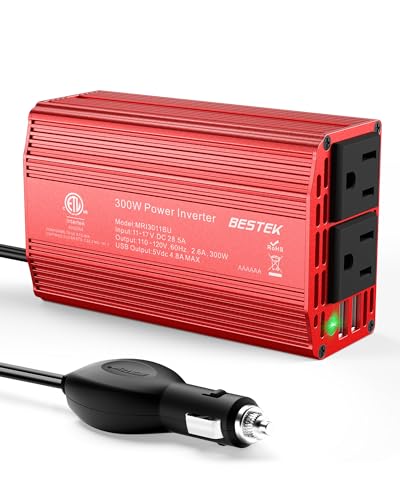
- 300W continuous AC output
- Two outlets plus two USB ports
- Compact design with safety protections
Best For: Powering electronics from an EV or other 11–17V vehicle
Flexible Tesla Charging

- Connects Teslas to J1772 Level 1 and 2 stations
- Supports up to 80A
- Includes bag and two-year warranty
Best For: Tesla owners charging at J1772 home, workplace, and public stations
Best Budget Home Charger
Lectron Level 1 J1772 EV Charger

- 15A charging from a standard 120V outlet
- 16-foot cable for flexible placement
- ETL-certified with built-in safety protection
Best For: J1772 EV owners seeking affordable overnight charging
Best Long-Cord Value
AplysiaTech Portable Level 1 EV Charger

- 15A, 1.65kW charging from a 110V outlet
- 21-foot cable offers extra installation flexibility
- Includes storage bag and built-in safety protections
Best For: J1772 owners wanting portable charging with extended reach
Best Adjustable Home-and-Travel Pick – Toptoo 16A Portable J1772 Charger
For shoppers comparing budget electric vehicle charging adapters, this Toptoo unit is a practical Level 1/Level 2 option for J1772-compatible cars. Its adjustable 110V–240V operation, included US-style adapter, and LCD control box make it useful at home or on the road.
Best For: J1772 EV owners who want adjustable charging, scheduled starts, and real-time status information.
Pros:
- Supports 110V–240V input and up to 16A/3.5kW charging.
- LCD displays current, voltage, power, temperature, and charging status.
- Offers adjustable current, delayed start, and automatic stop when charging is complete.
- Includes a US standard plug adapter for household Level 1 outlets.
Cons:
- Requires a properly rated, undamaged outlet and wiring.
- Compatibility is limited to vehicles using the J1772 charging interface.
The Toptoo stands out among budget electric vehicle charging adapters for its combination of portability and useful controls. Confirm that your outlet can safely handle the selected current before use.
Best DC Fast-Charging Accessory – LEPPEIN NACS-to-CCS1 Adapter
Among budget electric vehicle charging adapters, this LEPPEIN model is designed for CCS1 vehicles seeking access to compatible NACS/Tesla Supercharger locations. It is a specialized DC fast-charging adapter rather than a household charger, so network and vehicle authorization should be verified first.
Best For: Owners of supported CCS1 EVs who need a portable adapter for compatible NACS fast-charging stations.
Pros:
- Rated for up to 1000V, 500A, and 250kW DC charging.
- Includes temperature sensors that can reduce or stop charging if temperatures rise.
- Comes with a compact PU zipper storage bag.
- Lists CE, FCC, RoHS, and UL compliance, plus a two-year warranty.
Cons:
- Actual charging access depends on vehicle authorization and station compatibility.
- It is for DC fast charging, not standard household AC charging.
This adapter can broaden charging options for the right CCS1 vehicle, but buyers should check the vehicle manufacturer and charging network before relying on it. The compatibility notes indicate that access varies by model and network upgrade status.
Best Smart Dual-Level Value – Raylix 16A J1772 EV Charger
This Raylix charger is a strong contender among budget electric vehicle charging adapters for drivers who want both Level 1 and Level 2 flexibility. It includes NEMA 5-15 and 6-20 plug options, adjustable current settings, and a delay timer for overnight or off-peak charging.
Best For: J1772 EV and plug-in hybrid owners who want portable charging with selectable current and scheduling controls.
Pros:
- Works with all SAE J1772 EVs and plug-in hybrids according to the supplied notes.
- Provides four current settings: 8A, 10A, 12A, and 16A.
- Supports Level 1 charging through NEMA 5-15 and Level 2 charging through NEMA 6-20.
- TFT display shows voltage, current, power, and temperature.
Cons:
- NEMA 5-15 operation automatically limits current to 12A.
- Level 2 use requires a suitable 240V NEMA 6-20 outlet.
Raylix offers useful control features without requiring a fixed installation. Its adjustable settings and IP65 control-box rating add convenience, but the outlet and circuit must match the selected charging mode.
Best for Roadside Electronics – YSOLX 200W Car Power Inverter
While it is not an EV charging adapter, this compact YSOLX inverter can complement budget electric vehicle charging adapters by powering small electronics from a vehicle’s 12V socket. It provides AC outlets and USB ports for road trips, camping, or mobile work.
Best For: EV travelers who need to run or charge laptops, phones, tablets, and other small devices from the car.
Pros:
- Converts 12V DC vehicle power to 110V AC.
- Includes two AC outlets and four USB ports, including USB-QC and USB-C.
- Compact 5 x 2.7 x 1.4-inch design is easy to store.
- Provides over-voltage, overload, over-temperature, under-voltage, and short-circuit protection.
Cons:
- Its 200W output is intended for small electronics, not EV battery charging.
- Uses a modified sine-wave output.
This inverter is best viewed as a travel power accessory rather than a way to charge an electric vehicle. It is a convenient, compact choice for keeping personal electronics powered between charging stops.
Full-Speed NACS Access – AFI NACS to J1772 Adapter
For drivers comparing budget electric vehicle charging adapters, the AFI NACS to J1772 model is built to connect J1772 electric vehicles and plug-in hybrids to compatible Tesla Level 2 Wall Connectors and Destination Chargers. Its headline advantage is support for up to 80A at 240V, along with weather protection for outdoor use.
Best For: J1772 EV owners who want access to compatible NACS Level 2 charging locations, including Tesla Wall Connectors and Destination Chargers.
Pros:
- Supports up to 80A and 240V for high-current AC charging.
- Compatible with a wide range of J1772 vehicles from brands including Ford, Rivian, Chevy, BMW, Volvo, Mercedes, Hyundai, and Kia.
- IP55 weatherproof housing is rated from -22°F to 122°F.
- Includes a storage bag, one-year warranty, and U.S.-based support.
Cons:
- Designed for Level 1 and Level 2 AC charging only, not DC fast charging.
- Its 80A capability may exceed what some vehicles or charging equipment can accept.
The AFI is a strong option when charging flexibility and high-current support matter more than the lowest possible price. Verify that your vehicle and charging station support the desired amperage before buying.
Road-Trip Power On a Budget – BESTEK 300W Car Inverter
Among budget electric vehicle charging adapters, the BESTEK is a different kind of travel accessory: it converts a vehicle’s 11–17V DC power into AC power for small electronics. It is useful for powering laptops, tablets, cameras, and USB devices from a vehicle, but it is not an EV connector for charging the vehicle’s traction battery.
Best For: EV drivers who need portable AC outlets and USB charging for personal electronics during road trips, work travel, or camping.
Pros:
- Provides 300W of continuous output and up to 700W instantaneous power.
- Offers two AC outlets and two 4.8A USB ports.
- Compact, lightweight design includes a 32-inch cigarette-lighter cable.
- Includes protection against overheating, voltage issues, and short circuits.
Cons:
- Modified sine-wave output may not suit every sensitive electronic device.
- Does not charge an EV’s main battery or connect to public EV charging stations.
- Power output is limited to 300W continuous.
The BESTEK makes sense as a low-cost vehicle power solution rather than a propulsion-battery charging adapter. Its multiple outlets and USB ports are convenient, but shoppers seeking EV charging compatibility should look for a J1772 or NACS adapter instead.
Flexible Tesla Charging – ELEGRP J1772 to NACS Adapter
For Tesla owners comparing budget electric vehicle charging adapters, the ELEGRP J1772-to-NACS adapter opens access to J1772 Level 1 and Level 2 charging stations. It supports up to 80A and includes a carry bag, making it a practical choice for home, workplace, and public charging use.
Best For: Tesla Model S, 3, X, Y, and Cybertruck owners who want to use compatible J1772 charging stations.
Pros:
- Expands Tesla charging options to J1772 Level 1 and Level 2 stations.
- Supports up to 80A with a 200V rated input.
- IP54 weatherproof protection and an operating range of -22°F to 122°F.
- Compact design includes a carry bag, U.S.-based support, and a two-year replacement warranty.
Cons:
- Intended for J1772 AC charging rather than DC fast charging.
- Maximum charging performance depends on the vehicle and the connected station.
The ELEGRP is a straightforward travel adapter for Tesla drivers who regularly encounter J1772 stations. Its weather rating and longer warranty add reassurance, while the included bag helps keep the adapter ready for daily use.
Best Budget Home Charger – Lectron Level 1 J1772 EV Charger
For drivers comparing budget electric vehicle charging adapters and chargers, the Lectron Level 1 EV Charger offers a straightforward home-charging option from a standard 120V outlet. Its 15-amp output and 16-foot cable make it practical for overnight charging of compatible J1772 vehicles.
Best For: J1772 EV owners who want an affordable, portable charger for home, work, or occasional travel.
Pros:
- Works with standard 120V outlets and delivers up to 1.65 kW.
- Includes a 16-foot extension cord for flexible vehicle positioning.
- ETL and FCC certified, with overvoltage, overcurrent, and short-circuit protection.
- IP65-rated construction supports portable use in dusty or wet conditions.
Cons:
- Level 1 charging is slower than dedicated Level 2 charging.
- Designed for J1772 vehicles; Tesla owners need a compatible adapter.
This Lectron model is a sensible low-cost choice when a standard household outlet is your primary charging source. It emphasizes convenience and portability rather than the faster charging speeds available from a 240V setup.
Best Tesla-Access Adapter – Lectron Tesla to J1772 Charging Adapter
Among budget electric vehicle charging adapters, the Lectron Tesla-to-J1772 adapter is designed to expand where compatible J1772 vehicles can charge. It connects J1772 vehicles to Tesla High Powered Wall Connectors, Destination Chargers, and Mobile Connectors, with support for up to 48 amps and 240 volts.
Best For: J1772 EV drivers who want access to compatible Tesla charging equipment at home, destinations, or while traveling.
Pros:
- Supports charging up to 48 amps and 240 volts.
- Compatible with Tesla Wall Connectors, Destination Chargers, and Mobile Connectors.
- Compact, portable design is convenient to keep in the vehicle.
- SGS certified under the UL 2251 standard.
Cons:
- It is an adapter, not a standalone charger or power source.
- Compatibility is focused on J1772 vehicles and specified Tesla charging equipment.
This adapter can be a cost-effective way to broaden charging access without replacing your vehicle’s J1772 inlet. Confirm that the Tesla charging equipment you plan to use is among the supported types before buying.
Best Long-Cord Value – AplysiaTech Portable Level 1 EV Charger
The AplysiaTech portable charger is a practical option for shoppers evaluating budget electric vehicle charging adapters and home charging equipment. It plugs into a standard 110V outlet, supplies 15 amps and up to 1.65 kW, and includes a 21-foot cable for added reach around a driveway or workplace.
Best For: J1772 EV owners who need an affordable portable charger with a longer cable and included storage bag.
Pros:
- Uses a common 110V household outlet for convenient Level 1 charging.
- 21-foot cable provides generous reach between the outlet and vehicle.
- IP65 weather-resistant design includes overvoltage, overcurrent, and short-circuit protection.
- Storage bag makes the charger easier to transport and organize.
Cons:
- Level 1 charging is slower than the company’s higher-power Level 2 alternatives.
- Designed for SAE J1772 vehicles; Tesla models require an additional adapter.
The long cable and storage bag make this AplysiaTech charger especially convenient for drivers who move between home, office, and travel locations. Its 110V design keeps installation simple, though charging speed remains limited to Level 1 output.
How We Picked These Budget Electric Vehicle Charging Adapters
We focused on affordability, compatibility, charging flexibility, portability, and useful safety features. The selection includes equipment for different charging situations rather than treating every product as interchangeable: portable Level 1 chargers for standard household outlets, Level 2-capable units for higher-voltage circuits, and NACS-to-J1772 or J1772-to-NACS adapters for connecting different vehicle and charger standards.
We also considered cable length, display information, weather resistance, certification claims, amperage, plug type, and whether each item is intended for EV charging or general vehicle power. Always verify current specifications with the manufacturer before purchase, especially when a listing uses unusual model or connector terminology.
Quick Comparison
| Type | Best Use | What to Check |
|---|---|---|
| Level 1 portable charger | Overnight home charging | 120V outlet, amperage, cable length |
| Level 1/2 portable charger | Home and travel flexibility | Plug configuration, circuit capacity, adjustable current |
| NACS-to-J1772 adapter | Using Tesla-style destination equipment with a J1772 EV | AC rating and vehicle compatibility |
| J1772-to-NACS adapter | Using J1772 charging equipment with a NACS EV | AC versus DC capability and approved use |
| NACS-to-CCS adapter | DC fast charging access | Vehicle approval, station compatibility, maximum power |
| Power inverter | Running small AC devices from a 12V outlet | Wattage, surge rating, and battery limits |
Key Buying Factors for Budget Electric Vehicle Charging Adapters
Connector and Charging Standard
Identify both ends of the connection before ordering. J1772, NACS, CCS, and household plug types serve different purposes. An AC adapter is not automatically suitable for DC fast charging, and a general-purpose inverter is not an EV charging adapter.
Electrical Rating and Circuit Capacity
Amperage and voltage determine charging speed, but the vehicle, charger, outlet, and circuit must all support the selected setting. A 16-amp charger cannot safely be used on an unsuitable circuit simply because the plug fits. For Level 2 charging, confirm that the outlet and breaker are properly installed.
Safety and Durability
Look for credible certification information, temperature protection, overcurrent protection, grounding features, and a weather-resistant enclosure when outdoor use is expected. Avoid using extension cords or household adapters unless the manufacturer explicitly permits them.
Portability and Daily Convenience
A longer cable, readable display, adjustable current, and included storage bag can matter more than a small difference in headline charging speed. For travel, confirm that the plug works at your destination and that the unit fits your vehicle’s storage space.
Who Should Buy Which Budget Electric Vehicle Charging Adapters?
Choose a basic Level 1 charger if you drive modest daily distances and have reliable overnight access to a standard outlet. Select a Level 1/Level 2 portable charger if you want more flexibility between home circuits and travel locations. Choose a NACS-to-J1772 or J1772-to-NACS adapter when the connector mismatch is the only obstacle, and verify whether it supports AC charging only.
For compatible DC fast-charging vehicles, a NACS-to-CCS adapter may provide access to additional stations, but vehicle and network approval is essential. Finally, buy a 200W or 300W inverter only for small electronics and appliances; it is not a replacement for an EVSE charger. The best Budget Electric Vehicle Charging Adapters are the ones that match your vehicle, circuit, and charging routine without requiring unsafe workarounds.