The best budget trail cameras make wildlife monitoring more accessible without requiring cellular fees or premium equipment. These affordable models focus on useful essentials such as motion activation, infrared night vision, weather resistance, and high-resolution photos or video.
Our roundup includes compact single cameras, multipacks, and non-cellular models for tracking game, observing backyard animals, or securing remote property. Use the guide below to match features and coverage to your setup.
Best 10 Budget Trail Cameras Picks for 2026
Best Overall Value
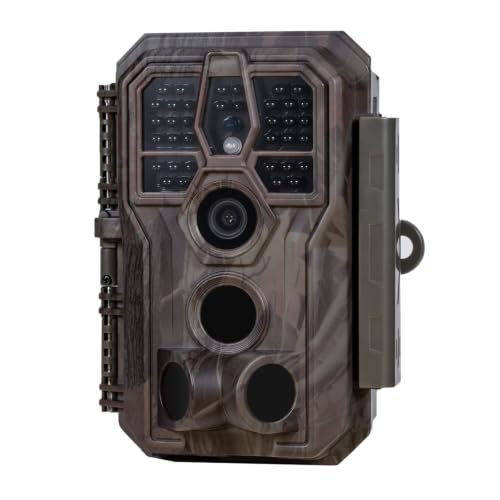
- 64MP photos and 1296P HD video
- 0.1-second trigger with 100-foot night vision
- IP66 build with optional solar support
Best For: Hunters and wildlife observers seeking sharp, low-power monitoring
Best for Long Battery Life
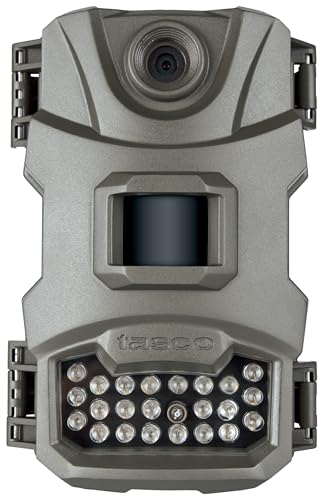
- 12MP photos and 720p video
- 70-foot detection and low-glow flash range
- Up to 12 months on eight AA batteries
Best For: Simple, infrequent wildlife surveillance
Best Compact Pick

- 30MP photos and 1080P video
- Lightweight camouflage body for discreet placement
- 850nm night vision and four-AA operation
Best For: Backyard, garden, and portable wildlife monitoring
Best for Beginners

- 36MP photos and upgraded 2K video
- Built-in 2-inch LCD for setup and playback
- Simple controls with motion, time-lapse, and audio modes
Best For: First-time users and backyard property monitoring
High-Detail Value Pick
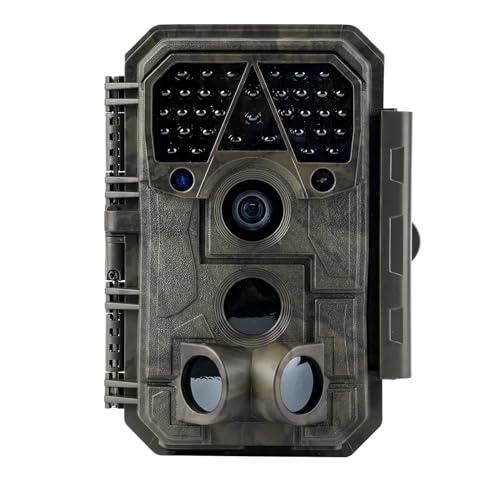
- 64MP photos and up to 1296p video
- 0.1-second trigger with 100-foot no-glow night vision
- 2.4-inch display; optional solar support
Best For: Detailed wildlife monitoring without wireless connectivity
Multi-Camera Budget Bundle
WOSODA Mini Trail Camera 4-Pack

- Four compact cameras for broad coverage
- 30MP photos, 1080p video, and 0.3-second triggering
- Includes four SD cards and 16 AA batteries
Best For: Monitoring multiple outdoor locations affordably
Wide-Angle 4K Pick

- 4K video and adjustable photos up to 64MP
- 120-degree detection angle with 0.2-second trigger
- No-glow night vision, display, and included 16GB card
Best For: Wide-area wildlife and property monitoring
Mini Stealth Pick
OUTDOOR EXPERT 20MP Mini Trail Camera

- 20MP photos and 1080p video
- No-glow 940nm night vision up to 80 feet
- Compact IP66 body with local microSD recording
Best For: Discreet wildlife and farm monitoring without app connectivity
Fast-Trigger Value Pick

- 36MP stills and 2.7K video with sound
- Less-than-0.1-second trigger and 130° detection
- Built-in 2-inch screen for setup and playback
Best For: Fast-moving wildlife and broad-area field monitoring
Best Two-Camera Value
WOSODA 2-Pack 48MP Trail Cameras

- Two cameras for simultaneous monitoring
- 48MP photos and 1080p video
- Includes two 16GB SD cards and batteries
Best For: Covering two wildlife, garden, farm, or security locations
Best Overall Value – GardePro E5S
For shoppers comparing budget trail cameras, the GardePro E5S stands out with high-resolution imaging, a fast trigger, and durable outdoor construction without cellular or Wi-Fi complexity.
Best For: Hunters and wildlife observers who want sharp photos, long-range night vision, and low-power non-cellular operation.
Pros:
- Captures 64MP photos and 1296P HD video.
- 0.1-second trigger speed with three PIR sensors.
- 100-foot no-glow night vision and a 120-degree field of view.
- IP66 weather resistance with optional solar-panel support.
Cons:
- Requires a separate SD card and eight AA batteries.
- Does not offer cellular or Wi-Fi connectivity.
The E5S is a strong all-around pick when image quality and dependable outdoor performance matter more than remote alerts. Its offline design also helps limit power use and maintenance.
Best for Long Battery Life – Tasco 12MP Trail Camera
The Tasco 12MP is a straightforward option among budget trail cameras, pairing basic photo and video recording with low-glow infrared illumination and an extended battery claim.
Best For: Users who prioritize simple wildlife surveillance and infrequent battery changes.
Pros:
- Records 12MP still images and 720p HD video.
- 70-foot PIR motion detection range.
- 70-foot low-glow infrared flash for discreet nighttime photography.
- Rated for up to 12 months on eight AA batteries.
Cons:
- Lower photo and video resolution than the other listed options.
- Eight AA batteries are not included.
- The supplied notes do not specify included mounting accessories or memory media.
This model favors practical, low-maintenance monitoring over advanced image quality. It makes the most sense for locations where long battery life and basic motion-activated capture are the main priorities.
Best Compact Pick – WOSPORTS Mini Trail Camera
The WOSPORTS Mini is a convenient choice for budget trail cameras when portability and easy placement matter. Its compact body supports wildlife, garden, and property monitoring in a discreet package.
Best For: Backyard observers, gardeners, and users who need a lightweight camera that is easy to conceal and install.
Pros:
- Captures 30MP photos and 1080P HD video.
- Compact, lightweight design weighing about 0.73 pounds.
- 850nm infrared night vision helps reduce disturbance to wildlife.
- Uses four AA batteries and includes an adjustable mounting strap.
Cons:
- SD card and batteries are not included.
- Supports SD cards up to 32GB, which limits storage capacity.
- The supplied details do not state a specific trigger-speed figure.
Choose the WOSPORTS Mini when a smaller footprint is more valuable than maximum battery capacity or premium features. Its simple setup and multiple monitoring uses make it approachable for casual outdoor surveillance.
Best for Beginners – CEYOMUR 36MP Trail Camera
The CEYOMUR 36MP is designed for shoppers who want budget trail cameras with uncomplicated controls and useful built-in viewing features. Its integrated layout makes field setup easier to manage.
Best For: First-time users, landowners, and backyard monitors who want an easy-to-operate camera with on-device playback.
Pros:
- Records 36MP photos and upgraded 2K video.
- Built-in 2-inch LCD screen supports setup and playback.
- Uses 24 850nm infrared LEDs for nighttime imaging.
- Includes motion detection, time-lapse, audio recording, and password protection.
Cons:
- Eight AA batteries and an SD card are not included.
- The supplied notes do not provide a specific detection range or trigger-time measurement.
- Its feature set may be more than needed for basic motion snapshots.
The CEYOMUR offers a beginner-friendly balance of resolution, controls, and monitoring modes. Its screen and integrated design are especially useful when you want to configure and review footage directly in the field.
High-Detail Value Pick – Meidase P70 Trail Camera
For shoppers comparing budget trail cameras, the Meidase P70 stands out with high-resolution imaging, fast motion detection, and no-glow nighttime coverage. It is a practical non-cellular, non-Wi-Fi option for wildlife monitoring, deer scouting, or outdoor surveillance.
Best For: Buyers who want detailed photos, long-range night vision, and on-camera playback without wireless connectivity.
Pros:
- Captures 64MP photos and up to 1296p video.
- Fast 0.1-second trigger speed with side motion sensors.
- 940nm no-glow night vision reaches up to 100 feet.
- Includes a 2.4-inch color display and supports solar power with an optional panel.
Cons:
- Requires separately purchased 8 AA batteries and SD card.
- Does not offer cellular or Wi-Fi connectivity.
- The compatible solar panel is sold separately.
The P70 is a strong budget trail camera for users prioritizing image detail and fast response over remote access. Its display and broad storage support make field checks convenient, while the extra power options suit longer deployments.
Multi-Camera Budget Bundle – WOSODA Mini Trail Camera 4-Pack
Among budget trail cameras, the WOSODA Mini 4-Pack is useful when you need coverage in several locations at once. These compact, camouflage cameras offer motion-triggered 1080p recording and arrive with memory cards and batteries for a simpler setup.
Best For: Monitoring multiple spots such as trails, gardens, backyards, or farm areas on a low-cost setup.
Pros:
- Four compact cameras provide multi-location coverage.
- Each camera captures 30MP photos and 1080p video.
- Includes four 16GB SD cards and 16 AA batteries.
- Uses 0.3-second triggering and 65-foot night vision.
Cons:
- No phone, Wi-Fi, or cellular connectivity; footage must be accessed by removing the SD card.
- Supports SD cards up to 32GB.
- Night vision range is shorter than some larger trail cameras.
This bundle makes the most sense for buyers who value quantity and straightforward operation. It trades advanced connectivity and longer-range night coverage for four small cameras with the basic accessories needed to get started.
Wide-Angle 4K Pick – WOSPORTS G600 Trail Camera
The WOSPORTS G600 is one of the more feature-rich budget trail cameras for shoppers seeking 4K recording and a wide detection area. Its no-glow LEDs, built-in screen, and flexible power options support wildlife scouting, property monitoring, and farm security.
Best For: Users who want wide-angle coverage, high-resolution video, and on-site footage review in a non-cellular camera.
Pros:
- Records 4K video and captures adjustable photos up to 64MP.
- 0.2-second trigger speed with a 120-degree detection angle.
- Uses 940nm no-glow LEDs with night vision up to 80 feet.
- Includes a 16GB memory card and supports optional rechargeable or solar power.
Cons:
- 8 AA batteries are not included.
- Optional rechargeable lithium battery and solar panel cost extra.
- Does not provide cellular or Wi-Fi connectivity.
The G600 is a sensible choice when coverage and video resolution matter more than remote alerts. Its 2-inch color display, included memory card, and multiple mounting and power options make it versatile for both wildlife and property use.
Mini Stealth Pick – OUTDOOR EXPERT 20MP Mini Trail Camera
For shoppers comparing budget trail cameras, the OUTDOOR EXPERT Mini offers a compact, straightforward setup for wildlife monitoring. It captures 20MP photos and 1080p video, uses no-glow 940nm infrared night vision, and records locally to a microSD card.
Best For: Discreet wildlife monitoring, farm surveillance, and buyers who want a small camera without Wi-Fi or app fees.
Pros:
- Compact mini design is easy to carry and install.
- No-glow 940nm infrared night vision reaches up to 80 feet.
- IP66-rated housing helps protect against dust and weather.
- Motion activation and 20MP photos support routine monitoring.
Cons:
- Does not support Wi-Fi, app control, cellular connection, or direct phone viewing.
- MicroSD card and six AA batteries are not included.
- Local recordings must be reviewed using a computer or card reader.
This is a practical low-cost option when small size and stealth matter more than remote access. Its basic push-button operation and local storage keep the setup simple, but users seeking phone connectivity should look elsewhere.
Fast-Trigger Value Pick – KJK 36MP 2.7K Trail Camera
The KJK trail camera stands out among budget trail cameras for its fast trigger time, wide detection angle, and built-in viewing screen. It records 36MP stills and 2.7K video, while low-glow infrared LEDs provide night coverage up to 75 feet.
Best For: Hunters and wildlife observers who want quick motion capture, broad coverage, and on-camera playback without Wi-Fi.
Pros:
- Less-than-0.1-second trigger time helps capture fast-moving animals.
- 130° detection range provides broad coverage.
- Built-in 2.0-inch color screen supports setup and instant playback.
- IP66 construction is designed for outdoor use across a wide temperature range.
Cons:
- SD card is not included.
- Uses low-glow 850nm LEDs rather than no-glow infrared.
- No Wi-Fi or app-based control.
With its unusually quick trigger and wide detection area, this model is a strong value for covering active trails or larger monitoring zones. The built-in screen also makes it easier to check footage in the field, though remote viewing is not available.
Best Two-Camera Value – WOSODA 2-Pack 48MP Trail Cameras
For buyers who need multiple monitoring points, this WOSODA two-pack is a budget trail cameras option that includes two cameras, two 16GB memory cards, batteries, and mounting accessories. Each unit records 48MP images and 1080p video with motion activation and 850nm low-glow night vision.
Best For: Monitoring two locations at once, including wildlife areas, outdoor security points, gardens, and farm property.
Pros:
- Two cameras provide coverage for separate locations.
- Includes two 16GB SD cards and eight AA batteries for each camera.
- 0.3-second trigger speed and detection distance up to 60 feet.
- Camouflage housing, mounting straps, and stand mounts support discreet installation.
Cons:
- No Wi-Fi or remote app connectivity.
- Night vision uses low-glow 850nm infrared rather than no-glow LEDs.
- 1080p video is less detailed than the still-image resolution suggests.
The included accessories and two-camera format make this package especially appealing when one unit is not enough. It offers useful coverage and simple local recording, but shoppers should choose a connected system if remote alerts or phone viewing are priorities.
How We Picked the Best Budget Trail Cameras
We evaluated these Budget Trail Cameras based on the features that matter most in everyday field use: image and video resolution, trigger speed, detection range, night-vision performance, battery practicality, weather protection, storage support, and overall value. We also considered whether each camera is better suited to a single monitoring point, a larger property, or multiple observation locations.
Most models in this roundup are non-cellular and non-Wi-Fi cameras. That keeps purchase and operating costs low, but it also means you typically retrieve the SD card manually rather than receiving images remotely. Product specifications can vary by seller and configuration, so confirm included accessories, maximum SD-card capacity, and battery requirements before ordering.
Quick Comparison
| Feature | What to Look For | Best Use |
|---|---|---|
| Resolution | 20MP to 64MP photos; 1080p or higher video | Identifying animals and reviewing footage |
| Trigger speed | About 0.1 to 0.3 seconds | Capturing fast-moving wildlife |
| Night vision | Low-glow or no-glow infrared LEDs | Discreet nighttime monitoring |
| Coverage | Wide detection angles and 60- to 80-foot ranges | Trails, feeding areas, and broad approaches |
| Quantity | Single cameras or two- and four-camera packs | One location versus property-wide coverage |
Key Buying Factors for Budget Trail Cameras
Image Quality and Video
Higher megapixel ratings can provide more detail, but they do not guarantee better images in poor light. Look for balanced specifications, reliable exposure, and video options that suit your purpose. For casual wildlife viewing, 1080p video is often sufficient; higher resolutions help when cropping footage or identifying distant animals.
Trigger Speed and Detection Area
A fast trigger helps capture an animal before it leaves the frame. Wide-angle detection can cover more ground, but camera placement still matters. Aim the unit across a trail rather than directly along it, and test the detection zone after installation.
Night Vision, Storage, and Power
No-glow 940nm infrared is the most discreet option, while low-glow systems may offer strong nighttime illumination at a lower price. Check whether an SD card is included and whether the camera supports the capacity you plan to use. Battery life depends heavily on temperature, recording length, trigger frequency, and infrared activity, so carry spares for remote locations.
Weather Protection and Setup
Choose a weather-resistant housing suitable for rain, dust, and seasonal temperature changes. A locking strap, threaded mount, clear controls, and an integrated screen can make field setup easier. Before leaving the camera unattended, format the card, set the date and time, and capture test images.
Who Should Buy Which Budget Trail Cameras?
Choose a compact mini camera when concealment and low weight matter most. A higher-resolution 64MP or 4K model is better for users who want more detail or plan to review video closely. No-glow cameras suit cautious wildlife and discreet property monitoring, while low-glow models can be a practical value choice for general observation.
If you need coverage across several trails, feeding stations, or entry points, a two- or four-camera pack usually offers better value than buying individual units. For remote access and instant alerts, however, these budget non-cellular options may not be sufficient; consider a cellular trail camera instead.