The best ergonomic computer mice can make long hours at a desk more comfortable by supporting a more natural hand, wrist, or thumb position. The right choice depends on your grip, desk setup, connectivity needs, and tolerance for a vertical or trackball design.
We compared 10 wireless ergonomic mice across comfort-focused shapes, tracking methods, adjustable sensitivity, device compatibility, and everyday usability to help you choose with confidence.
Best 10 Ergonomic Computer Mice Picks for 2026
Best Small-to-Medium-Hand Vertical Mouse
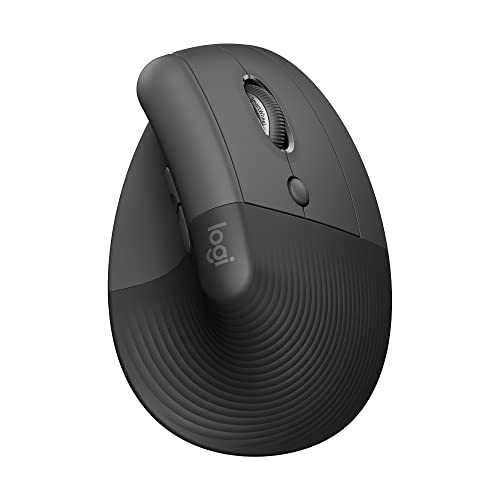
- 57-degree vertical design with thumb rest
- Quiet clicks and customizable buttons
- Bluetooth or Logi Bolt; up to 2 years battery
Best For: Right-handed users with small-to-medium hands
Best Trackball for Tight Workspaces

- Thumb-controlled trackball limits arm movement
- Four DPI levels for adjustable precision
- Bluetooth and USB support up to 3 devices
Best For: Right-handed users in compact or cluttered spaces
Best Premium Vertical Ergonomic Mouse

- 57-degree handshake angle for wrist posture
- 4000 DPI sensor with cursor-speed switch
- Textured grip and broad OS compatibility
Best For: Right-handed users wanting precise ergonomic productivity
Best Quiet Vertical Mouse for Large Hands

- Vertical handshake design for medium-to-large hands
- Quiet clicks with PTFE glide feet
- Bluetooth and 2.4G connections for up to 3 devices
Best For: Medium-to-large right-handed users in quiet workspaces
Best Trackball Pick

- Thumb-operated trackball reduces desk movement
- Bluetooth and Logi Bolt connectivity
- Up to 18 months of AA battery life
Best For: Small desks and long office sessions
Best Rechargeable Vertical Mouse

- Vertical handshake grip supports neutral positioning
- Rechargeable battery with weeks of typical use
- Six buttons and three DPI settings
Best For: Medium-to-large hands and daily office use
Best Compact Vertical Mouse

- 57-degree vertical design for wrist comfort
- Quiet clicks for shared workspaces
- Lightweight wireless design with three DPI levels
Best For: Small-to-medium hands and portable work setups
Flexible Multi-Device Comfort
Uineer Vertical Ergonomic Mouse

- Vertical grip with seven-color ambient lighting
- Bluetooth and 2.4GHz connectivity for up to three devices
- Four DPI levels and low-battery alert
Best For: Right-handed users with small- to medium-sized hands who switch between devices
Quiet Workspace Value
TECKNET Vertical Wireless Ergonomic Mouse

- Quiet left and right clicks for shared spaces
- Five DPI settings up to 4800
- Up to six months from two AAA batteries
Best For: Right-handed office or study users with a USB-A port
Quiet Three-Device Flexibility
TECKNET Bluetooth Vertical Mouse

- Bluetooth and 2.4GHz modes for three-device switching
- Six DPI levels up to 4800
- Near-silent primary clicks and registered 36-month warranty
Best For: Right-handed multi-device users working in quiet environments
Best Small-to-Medium-Hand Vertical Mouse – Logitech Lift
The Logitech Lift is one of the more approachable ergonomic computer mice for small-to-medium right hands. Its 57-degree vertical design, textured grip, and thumb rest encourage a more natural forearm posture, while quiet clicks and a smooth SmartWheel suit focused office work.
Best For: Right-handed users with small-to-medium hands who want a comfortable vertical mouse for everyday productivity.
Pros:
- Vertical 57-degree shape supports a more natural hand and forearm position.
- Softly textured grip and thumb rest provide sustained comfort.
- Bluetooth and Logi Bolt connectivity support multiple operating systems.
- Quiet clicks, customizable buttons, and up to two years of battery life add convenience.
Cons:
- Designed specifically for right-handed use.
- Its vertical shape may require an adjustment period for users of traditional mice.
The Lift balances ergonomic shaping with everyday convenience, making it a strong choice when comfort, quiet operation, and long battery life matter more than extensive customization.
Best Trackball for Tight Workspaces – Nulea M501
The Nulea M501 is an ergonomic computer mouse designed for users who prefer thumb-controlled cursor movement. Its stationary trackball minimizes wrist and arm movement, making it practical for narrow desks, couches, beds, or other spaces where a conventional mouse has little room to move.
Best For: Right-handed users who want a rechargeable trackball for compact or cluttered work areas.
Pros:
- Thumb-operated trackball reduces the need to move the wrist and arm.
- Four DPI levels allow adjustable cursor control.
- Bluetooth and USB dongle connections support up to three devices.
- Rechargeable battery eliminates disposable cell replacements.
Cons:
- All buttons are non-programmable.
- Right-handed design limits orientation flexibility.
- Requires charging with the included cable or a standard 5V USB source rather than a fast charger.
The M501 stands out when desk space is limited or you want to keep arm movement to a minimum. Its trackball takes some familiarization, but multi-device connectivity and rechargeable power make it versatile.
Best Premium Vertical Ergonomic Mouse – Logitech MX Vertical
The Logitech MX Vertical is a substantial ergonomic computer mouse for right-handed users seeking a pronounced vertical design. Its 57-degree angle, handshake-style grip, textured rubber surface, and 4000 DPI sensor are geared toward comfortable, controlled productivity with less hand movement.
Best For: Right-handed office users who want an advanced vertical mouse with precise tracking and adjustable cursor speed.
Pros:
- Handshake position and 57-degree angle promote a more natural wrist posture.
- 4000 DPI tracking and a dedicated cursor-speed switch support precise control.
- Textured rubber surface provides a secure, comfortable grip.
- Works with Windows, macOS, Linux, Chrome OS, iPadOS, and Android.
Cons:
- Right-handed design is not suitable for left-handed users.
- Listed battery life is about four months, shorter than some competing ergonomic mice.
- The pronounced vertical form may feel unfamiliar at first.
Choose the MX Vertical if you value a strong ergonomic angle, high-resolution tracking, and broad system compatibility. It is especially suited to users who want less hand travel during detailed desktop work.
Best Quiet Vertical Mouse for Large Hands – UGREEN Ergonomic Mouse
The UGREEN ergonomic wireless mouse is a practical option among ergonomic computer mice for medium-to-large right hands. Its vertical handshake design, quiet clicks, adjustable DPI, and dual wireless connectivity make it well suited to office work across computers and tablets.
Best For: Medium-to-large right-handed users who want quiet operation and flexible Bluetooth or 2.4G connectivity.
Pros:
- Vertical shape is designed to reduce wrist rotation and muscle strain.
- Quiet clicks and PTFE glide feet support a peaceful, smooth workspace.
- Four DPI settings cover precise editing through faster cursor movement.
- Can switch between up to three devices using Bluetooth or 2.4G wireless.
Cons:
- Not recommended for small hands.
- Uses a replaceable AA battery rather than a rechargeable battery.
- Right-handed design limits use by left-handed users.
The UGREEN is a sensible everyday choice for larger hands, particularly in shared offices where quiet clicks matter. Check the hand-size guide before buying, since fit is central to its ergonomic design.
Best Trackball Pick – Logitech ERGO M575S
For shoppers comparing ergonomic computer mice, the Logitech ERGO M575S stands out for its thumb-operated trackball, which lets you control the cursor without moving your hand across the desk. Its sculpted right-handed shape is designed to support a more comfortable forearm posture, while quiet clicks suit shared workspaces.
Best For: Small desks, users who prefer trackball control, and long office sessions.
Pros:
- Trackball operation saves desk space and minimizes hand movement.
- Supports Bluetooth or the included Logi Bolt USB receiver.
- Up to 18 months of battery life from one included AA battery.
- Three customizable buttons and adjustable cursor speed through Logi Options+.
Cons:
- Right-handed design only.
- Trackball control may require an adjustment period.
- Only two primary buttons are listed in the specifications.
The ERGO M575S is a practical choice when you want ergonomic support and precise cursor control without repeatedly sliding a mouse around your workspace.
Best Rechargeable Vertical Mouse – Lekvey Ergonomic Mouse
The Lekvey is a strong option among ergonomic computer mice for shoppers who prefer a pronounced vertical grip. Its handshake-style shape is designed to encourage a neutral wrist and arm position, while wireless plug-and-play operation keeps setup simple.
Best For: Medium-to-large-handed users seeking a rechargeable vertical mouse for office or home use.
Pros:
- Vertical design encourages a neutral handshake wrist position.
- Rechargeable 600mAh battery lasts about three to four weeks with regular use.
- Six buttons include convenient forward and back controls.
- Three DPI settings provide basic sensitivity adjustment.
Cons:
- Recommended for medium or large hands, so it may feel oversized for smaller hands.
- Uses a 2.4GHz USB receiver rather than Bluetooth.
- Buttons are not programmable.
Choose the Lekvey if a vertical grip and rechargeable battery matter more to you than advanced customization or Bluetooth pairing.
Best Compact Vertical Mouse – PHILIPS SPK7628
The PHILIPS SPK7628 is a compact choice for shoppers comparing ergonomic computer mice for everyday productivity. Its 57-degree vertical design is intended to reduce wrist and forearm strain, and its quiet buttons make it suitable for offices, libraries, classrooms, and late-night work.
Best For: Small-to-medium-handed users who want a quiet, portable wireless mouse.
Pros:
- 57-degree vertical grip promotes a more relaxed wrist posture.
- Quiet left and right clicks are useful in shared spaces.
- Three DPI settings cover browsing, documents, and general productivity.
- Lightweight design includes automatic sleep mode for travel and hybrid work.
Cons:
- Not Bluetooth; it requires the included USB receiver.
- USB-C devices may need a separate adapter.
- Designed for hand lengths up to seven inches, limiting fit for larger hands.
The SPK7628 makes the most sense when quiet operation, portability, and a smaller vertical profile are priorities.
Flexible Multi-Device Comfort – Uineer Vertical Ergonomic Mouse
If you want ergonomic computer mice with flexible connectivity, the Uineer A9 combines a right-handed vertical grip with Bluetooth and 2.4GHz wireless modes. Its handshake-style shape is designed to keep the wrist straighter, while four DPI settings support everyday work and light gaming. It is best suited to small- to medium-sized hands.
Best For: Right-handed users who need to switch among up to three devices and prefer colorful ambient lighting.
Pros:
- Connects with dual Bluetooth modes or 2.4GHz wireless to support up to three devices.
- Vertical handshake grip is designed to reduce wrist and forearm strain.
- Four DPI settings from 800 to 2400 support documents, design work, and casual gaming.
- Includes auto-sleep, low-battery alert, and a 24-month replacement warranty.
Cons:
- Designed for small- to medium-sized hands, so measuring before purchase is advisable.
- Side buttons do not function on macOS.
- Uses a battery-powered design rather than a rechargeable internal battery.
The Uineer stands out for users who value multi-device pairing and a distinctive seven-color light effect. Confirm the fit and your operating-system needs before choosing it.
Quiet Workspace Value – TECKNET Vertical Wireless Ergonomic Mouse
Among ergonomic computer mice, this TECKNET model focuses on straightforward 2.4GHz operation, quiet clicking, and long battery life. The vertical design encourages a more natural wrist and arm position, while five DPI settings let you tune cursor sensitivity for different tasks.
Best For: Office, study, and shared-workspace users who want quiet clicks, simple USB-A setup, and extended battery life.
Pros:
- Plug-and-play 2.4GHz receiver offers a stated range of up to 49 feet.
- Five DPI settings range from 800 to 4800 for adjustable cursor control.
- Left and right clicks are over 90% quieter, according to the supplied product notes.
- Two AAA batteries are rated for up to six months, with auto-sleep and a low-battery indicator.
Cons:
- Requires a USB-A port; some Mac setups may need a USB-C adapter.
- Side buttons do not support Mac systems.
- The vertical design may require a one- to two-week adjustment period.
This is a practical choice for users who prioritize quiet operation and high sensitivity over multi-device connectivity. Its USB-A receiver and right-handed shape should be checked against your setup and preferences.
Quiet Three-Device Flexibility – TECKNET Bluetooth Vertical Mouse
This TECKNET model is one of the more versatile ergonomic computer mice for users who need Bluetooth and 2.4GHz options. Its vertical right-handed design is paired with six DPI levels, quiet left and right clicks, and switching between three connected devices for a more adaptable work setup.
Best For: Right-handed users who work across multiple Windows, Mac, Chrome, or Linux devices and want quiet primary clicks.
Pros:
- Supports Bluetooth 5.0/3.0 and 2.4GHz USB-A connectivity, with up to three device connections.
- Six DPI levels from 800 to 4800 provide fine cursor-control adjustments.
- Near-silent left and right clicks suit libraries and other quiet environments.
- Offers automatic sleep, a low-battery LED warning, and a 36-month warranty when registered.
Cons:
- Requires two AAA batteries, which are not included.
- Side buttons are not compatible with macOS.
- Only the left and right clicks are silent; other buttons are not.
The main advantage here is connectivity flexibility without giving up vertical comfort or quiet primary clicks. It is a strong fit for multi-device workstations, provided you are comfortable using batteries and a right-handed design.
How We Picked the Best Ergonomic Computer Mice
We focused on practical features that affect comfort and productivity during regular computer use. Our selection includes vertical mice, thumb-controlled trackballs, and conventional ergonomic shapes so different users can find a suitable design. We also considered wireless connection options, DPI adjustment, rechargeable batteries, quiet clicking, multi-device support, button placement, and compatibility with common operating systems.
Because hand size and grip style vary considerably, no single mouse is ideal for everyone. The best Ergonomic Computer Mice should feel stable without forcing your fingers to stretch, squeeze, or rest at an awkward angle.
Quick Comparison
- Vertical mice: Best for users who want to reduce forearm rotation and prefer a handshake-style grip.
- Trackball mice: Useful when desk space is limited or you want to move the pointer without moving the entire mouse.
- Standard ergonomic shapes: A familiar transition for users who want added palm support without a dramatic change in technique.
- Multi-device models: Convenient for switching between a desktop, laptop, tablet, or other compatible devices.
Key Buying Factors for Ergonomic Computer Mice
Shape and Hand Position
Vertical designs can encourage a more neutral handshake position, while contoured standard mice provide palm support with a gentler learning curve. Check the listed dimensions and consider whether the mouse suits your hand size.
Tracking Style and Desk Space
Optical mice require physical movement across the desk. Trackballs stay mostly stationary and can be useful in compact workspaces, though they may require an adjustment period and regular cleaning.
DPI and Pointer Control
Adjustable DPI lets you tailor cursor speed for detailed tasks, large displays, or fast navigation. More settings are helpful, but consistent tracking and comfortable control matter more than a high maximum DPI.
Connectivity and Power
Bluetooth can preserve USB ports, while a 2.4GHz receiver often offers simple plug-and-play performance. Multi-device support is valuable for switching between systems. Also check whether the mouse uses replaceable batteries or USB charging.
Buttons and Everyday Noise
Extra buttons may improve browser and workflow shortcuts, but they should be easy to reach without changing your grip. Quiet clicks are especially useful in shared offices, libraries, and bedrooms.
Who Should Buy Which Ergonomic Computer Mice?
Choose a vertical mouse if wrist and forearm positioning are your main concerns and you are willing to spend a short period adapting to a new pointer angle. Choose a trackball if you have limited desk space, prefer minimal arm movement, or want a thumb-controlled cursor.
Choose a conventional ergonomic mouse if you want a comfortable upgrade with familiar operation. Choose a multi-device model if you regularly move between computers. For office or nighttime use, prioritize quiet clicks; for travel, look for a compact shape, dependable wireless connection, and straightforward battery management.