A strong indoor signal does not always make it past exterior walls, across a patio, or out to a detached workspace. Outdoor mesh gear can bring more reliable Wi-Fi to those spaces, but the right choice depends on your existing network as much as your yard size.
These seven options span Wi-Fi 6 and Wi-Fi 7, from mesh add-on nodes to more flexible outdoor access-point hardware. Here is what to check before you choose.
Best 7 Outdoor Mesh Wifi Systems Picks for 2026
Best for Large Yards
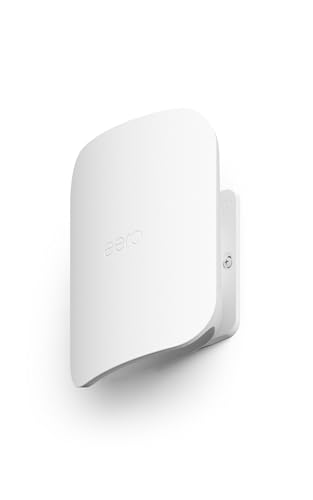
- Up to 15,000 sq. ft. stated outdoor coverage
- IP66-rated; PoE+ adapter included
- Works with previous eero generations
Best For: Existing eero users with large yards
Best Wi-Fi 6 Deco Add-On

- Adds up to 2,200 sq. ft. of stated coverage
- IP65-rated with flexible mounting
- PoE+ or AC power
Best For: Deco owners extending Wi-Fi outdoors
Best Indoor-Outdoor Kit

- Three-unit indoor-outdoor mesh system
- Up to 4,500 sq. ft. indoors, 2,500 outdoors
- Wi-Fi 6; supports over 150 devices
Best For: Replacing a router and extenders with one mesh kit
Best Wi-Fi 7 Deco Add-On

- Up to 2,800 sq. ft. of stated added coverage
- Two 2.5 Gbps PoE+ ports
- IP65-rated; no 6 GHz band
Best For: Deco users seeking a Wi-Fi 7 outdoor add-on
Best for Sprawling Properties
WAVLINK AC1200 Outdoor Mesh Extender

- IP65 enclosure and four 7 dBi antennas
- Dual gigabit ports with PoE support
- Meshes only with compatible WAVLINK devices
Best For: Large properties with compatible WAVLINK mesh gear
Best Wi-Fi 7 Upgrade

- Tri-band Wi-Fi 7 with MLO
- Two 2.5 Gbps PoE+ ports
- IP65-rated; adds to a Deco mesh
Best For: Deco users seeking Wi-Fi 7 outdoors
Best for Comfort

- Dual-band Wi-Fi 6 Deco add-on
- 802.3at PoE or AC power
- Two gigabit ports; pole or wall mounting
Best For: Deco households extending Wi-Fi 6 outdoors
Best for Large Yards – Amazon eero Outdoor 7
Among outdoor mesh wifi systems, the eero Outdoor 7 stands out for its stated coverage of up to 15,000 square feet outdoors. It’s a practical way to extend an existing eero network to a large yard, with Wi-Fi 7 and a weatherproof enclosure.
Best For: Existing eero users who want Wi-Fi across a large outdoor space.
Pros:
- Rated for up to 15,000 square feet of outdoor coverage and 100+ devices.
- IP66-rated for dust, rain, and snow, with an operating range of -40°F to 131°F.
- Supports AC or PoE+ power; a 30W PoE+ adapter is included.
Cons:
- Its dual-band Wi-Fi 7 connection does not include a 6 GHz band.
- eero Plus security extras require an optional subscription.
The broad coverage claim makes this a strong candidate for spacious properties, though actual reach will depend on placement and obstacles. Backward compatibility with earlier eero generations makes it especially straightforward for households already using eero.
Best Wi-Fi 6 Deco Add-On – TP-Link Deco X20-Outdoor
If you already use Deco, the X20-Outdoor is an add-on worth considering among outdoor mesh wifi systems. This dual-band Wi-Fi 6 unit extends a compatible indoor mesh setup by a stated 2,200 square feet rather than replacing your indoor system.
Best For: Deco owners who need a weather-resistant Wi-Fi 6 extension for a patio or yard.
Pros:
- Adds up to 2,200 square feet of coverage and supports up to 150 devices.
- IP65-rated enclosure with included pole, wall, and tabletop mounting options.
- Offers two wired ports and a choice of PoE+ or AC power.
Cons:
- Requires an indoor mesh Wi-Fi system; it is not a complete standalone kit.
- Advertised wireless speeds can vary with distance, walls, and other obstacles.
Its flexible mounting and power options help when choosing an outdoor location. Check your indoor mesh setup before buying, since this unit is intended to extend an existing network.
Best Indoor-Outdoor Kit – TP-Link Deco WM9000 3-Pack
For shoppers starting fresh with outdoor mesh wifi systems, the Deco WM9000 is a three-pack designed for indoor and outdoor coverage. It combines dual-band Wi-Fi 6, AI-driven mesh, and an IP65 weatherproof rating, so you can plan one system for the house and surrounding space.
Best For: Households replacing their current router and extenders with an indoor-outdoor mesh kit.
Pros:
- Three-unit system designed to replace routers and extenders.
- Stated coverage reaches up to 4,500 square feet indoors and 2,500 square feet outdoors.
- Supports over 150 devices and includes TP-Link HomeShield features.
Cons:
- Uses dual-band Wi-Fi 6 rather than Wi-Fi 7.
- Advertised coverage is an upper estimate, not a guarantee for every property.
This is the most direct fit here if you need a whole-home system rather than a single outdoor add-on. Plan placement around your home’s layout instead of relying solely on the coverage figures.
Best Wi-Fi 7 Deco Add-On – TP-Link Deco BE25-Outdoor
The Deco BE25-Outdoor brings dual-band Wi-Fi 7 to an existing Deco mesh network. Among outdoor mesh wifi systems, it suits buyers who want a weather-resistant add-on with multi-gig wired ports rather than a complete new kit.
Best For: Deco users upgrading outdoor coverage with Wi-Fi 7 and wired backhaul options.
Pros:
- Adds up to 2,800 square feet of stated coverage for up to 150 devices.
- Has two 2.5 Gbps PoE+ ports and supports wired or wireless backhaul.
- IP65-rated, with tabletop, pole, and wall placement options.
Cons:
- Dual-band design does not support 6 GHz, despite its Wi-Fi 7 designation.
- Advertised speeds vary with distance, obstacles, and other conditions.
The wired connections and flexible placement make this a useful upgrade when your outdoor installation can take advantage of them. Remember that it extends Deco mesh coverage; it is not presented as a complete multi-unit system.
Best for Sprawling Properties – WAVLINK AC1200 Outdoor Mesh Extender
For outdoor mesh wifi systems covering barns, yards, and other outbuildings, this WAVLINK unit offers dual-band AC1200 Wi-Fi, four 7 dBi antennas, and flexible access-point modes. Its mesh feature works only with compatible WAVLINK Everything Mesh devices.
Best For: Larger properties using compatible WAVLINK gear to extend connectivity outdoors.
Pros:
- IP65-rated enclosure with stated ESD and lightning protection.
- Two gigabit Ethernet ports and 54V active/passive PoE support.
- Fat AP mode for standalone deployment; Fit AP mode supports a separately sold WAVLINK controller.
Cons:
- Mesh compatibility is limited to WAVLINK Everything Mesh devices.
- The PoE converter is not waterproof and must be installed indoors.
Consider it when flexible mounting and wired connectivity matter more than mixing mesh brands. The advertised reach of up to 300 meters per unit depends on the environment.
Best Wi-Fi 7 Upgrade – TP-Link Deco BE65-Outdoor
Among outdoor mesh wifi systems, the tri-band Deco BE65-Outdoor stands out for Wi-Fi 7 and two 2.5 Gbps PoE+ ports. It is an add-on for a Deco network, with TP-Link claiming up to 3,000 square feet of additional coverage and support for up to 200 devices.
Best For: Existing Deco users who want Wi-Fi 7 coverage and multi-gigabit wired connectivity outside.
Pros:
- Tri-band Wi-Fi 7 supports features including Multi-Link Operation.
- Two 2.5 Gbps PoE+ ports provide wired connection and power options.
- IP65-rated housing includes pole and wall mounting accessories.
- Works with other Deco units and supports roaming through the Deco app.
Cons:
- This is a single add-on unit, not a complete multi-unit mesh kit.
- Coverage and device-count figures are manufacturer claims, not guarantees for every yard.
Choose this model if your Deco setup and network hardware can make use of its newer wireless standard and multi-gigabit ports; otherwise, its headline speeds may offer little practical benefit.
Best for Comfort – TP-Link Deco X50-Outdoor
If you already use Deco, the X50-Outdoor is a straightforward way to extend outdoor mesh wifi systems to a patio, backyard, or guest house. This dual-band Wi-Fi 6 add-on joins an existing Deco mesh through the Deco app.
Best For: Deco households that want outdoor Wi-Fi 6 without moving to a Wi-Fi 7 unit.
Pros:
- Works with TP-Link Deco mesh systems and offers app-based setup.
- Supports 802.3at PoE or AC power, with two gigabit Ethernet ports.
- Weatherproof design supports pole or wall installation.
Cons:
- Sold as a single add-on, so building a mesh from scratch requires other equipment.
- Gigabit ports do not offer the multi-gigabit wired connectivity of the BE65-Outdoor.
Its appeal is practical integration: pick it for flexible power and mounting if Wi-Fi 6 and gigabit wired ports meet your needs.
How We Picked the Best Outdoor Mesh Wifi Systems
We focused on outdoor-ready devices with stated weather protection, useful coverage options, and clear roles in a home network. We also considered wireless generation, advertised speed class, power requirements, and whether a device is intended to join a particular mesh ecosystem. These are product-specification comparisons, not hands-on range tests; real performance depends on placement, walls, interference, and the connection back to your main router.
Quick Comparison
Already use eero? The eero Outdoor 7 is the ecosystem-specific choice, with an IP66 rating and advertised outdoor coverage of up to 15,000 square feet. Already use Deco? The X20-Outdoor is an AX1800 Wi-Fi 6 option; the X50-Outdoor steps up to AX3000. The Deco 7 Outdoor BE5000 and BE65 BE11000 offer Wi-Fi 7 choices, with the BE65 listed as tri-band. Starting fresh? The TP-Link AX3000 indoor/outdoor router system is worth considering if you want to replace an existing router-and-extender setup. Need flexible installation? The WAVLINK AC1200 offers extender/router and access-point modes with PoE options, but check how it fits your network before treating it as a mesh add-on.
Key Buying Factors for Outdoor Mesh Wi-Fi Systems
Mesh Compatibility Comes First
“Mesh” does not mean every brand works in one seamless network. Confirm that the outdoor node supports your existing router or mesh system, including any model or firmware requirements. If it does not, you may need a new main router or may have to run the outdoor device as a separate access point.
Backhaul, Power, and Placement
The link between the outdoor unit and your network matters as much as its advertised speed. A wired Ethernet backhaul can be especially useful for distant mounting spots or outbuildings; a wireless backhaul needs a strong signal at the unit itself. Check whether the device uses PoE, a separate power adapter, or another installation method, and whether the required power equipment is included. Mount the unit where it has a viable network connection—not simply at the farthest edge of the yard.
Weather Protection and Speed
Check the IP rating and the maker’s installation instructions before choosing an exposed location. Weather resistance does not eliminate the need to protect cable connections and use suitable outdoor wiring. Wi-Fi 7 and higher speed classes may help when paired with compatible devices and a capable backhaul, but they cannot overcome a weak link to the house. Treat coverage figures as planning estimates, not guaranteed boundaries.
Who Should Buy Which Outdoor Mesh Wifi Systems?
Choose an outdoor node in your current mesh family if you want the simplest path to extending one network. Pick a Wi-Fi 6 Deco model for a compatible, lower-cost upgrade, or compare the Wi-Fi 7 Deco models if you are building a newer Deco setup and can use the extra capacity. Consider the TP-Link indoor/outdoor system when replacing your network makes more sense than adding a node. Look at the WAVLINK if access-point modes and installation flexibility matter more than joining an existing branded mesh. Before ordering any of them, verify compatibility, power accessories, and a workable mounting location.