A hot router can slow down, disconnect, or shorten the life of nearby networking equipment. The right cooling fan helps improve airflow without requiring a complicated installation.
We selected 10 router cooling fans for beginners, including compact USB models, adjustable-speed fans, dual-fan systems, and larger cabinet cooling solutions for different setups and noise preferences.
Best 10 Router Cooling Fans for Beginners Picks for 2026
Simple USB Cooling
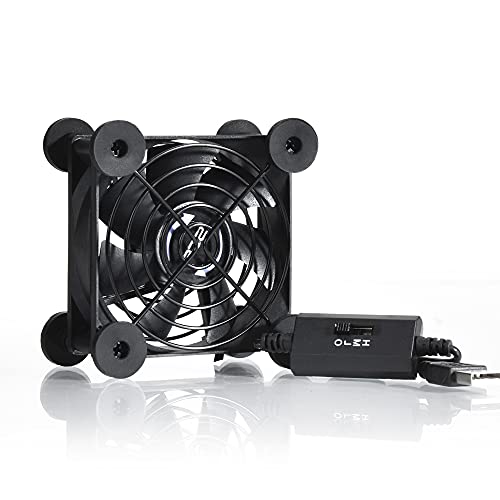
- Three adjustable speed settings
- Compact flat or upright design
- USB powered with protective grilles
Best For: Beginners needing simple cooling for a router or small electronic device
Programmable AV Cooling
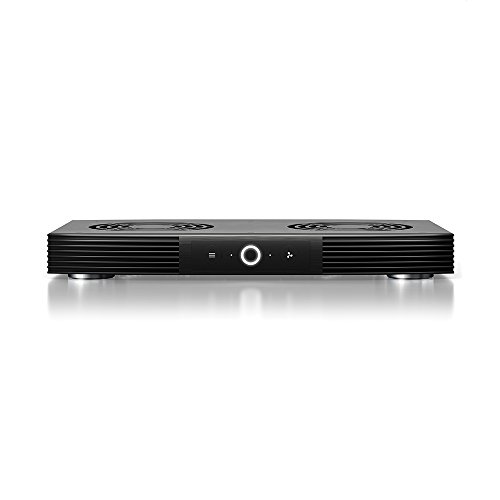
- Two-fan top-exhaust system
- Temperature-triggered operation
- 140 CFM listed airflow
Best For: Larger AV cabinets and users wanting automated cooling controls
Large USB Airflow
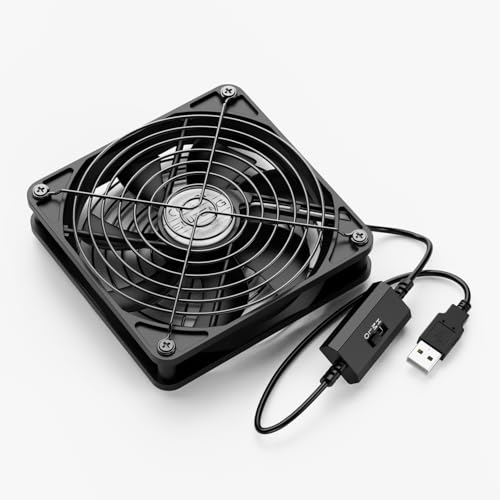
- 120mm frame with 56 CFM airflow
- Three-speed controller
- Flat or upright placement
Best For: Beginners wanting broad USB-powered airflow around larger electronics
Dual-Fan Quiet Cooling

- Two 80mm USB fans
- 18dBA listed total noise
- Adjustable speed controller
Best For: Quiet, compact cooling for routers and AV components
Quiet Adjustable Cooling

- Three speeds for light, regular, or maximum airflow
- USB-A plug-and-play power with broad compatibility
- Compact, quiet platform with anti-vibration feet
Best For: Beginners wanting adjustable cooling for routers and small electronics
Flexible Cabinet Cooling

- Supports routers, cabinets, consoles, NVRs, and more
- 120mm and 360mm size options for varied setups
- Rubber feet, switch cable, and one-year assurance
Best For: Beginners cooling network cabinets or multiple equipment types
Wide-Area Dual Cooling
240mm Dual USB Router Cooling Fan
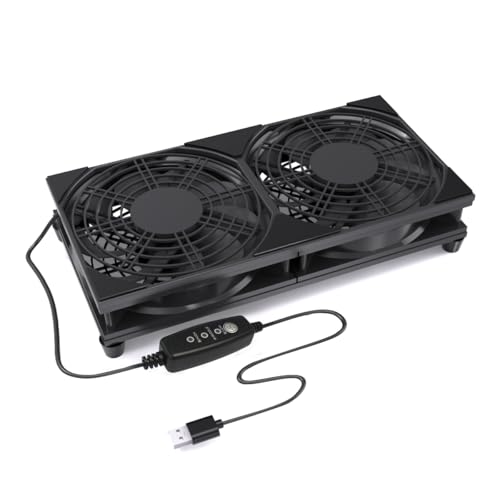
- Dual 120mm fans provide broader airflow coverage
- Three adjustable speeds for different cooling needs
- USB setup with protective grilles and raised feet
Best For: Beginners cooling larger routers, consoles, and AV equipment
Adjustable Power

- Four 120mm fans for broad airflow
- Variable 3V–12V speed control
- Dual ball bearings rated for 65,000 hours
Best For: DIY cooling for multiple or larger electronics
Quiet USB Simplicity

- USB-powered plug-and-use design
- Low, medium, and high settings
- Silicone feet reduce vibration and noise
Best For: Single routers and small USB-equipped electronics
Wide USB Coverage

- Dual 120mm fans for wider coverage
- Three-speed USB control
- Tool-free stainless steel support feet
Best For: Larger routers, TV boxes, and mini computers
Simple USB Cooling – Quiet 80mm USB Fan
For beginners comparing router cooling fans for beginners, this compact 80mm USB fan is an approachable option. It connects to a USB port, offers three speed settings, and can sit flat or upright beside compatible electronics.
Best For: Beginners who want a compact, adjustable fan for a router, game console, DVR, or similar device.
Pros:
- Three speed settings let you balance airflow and noise.
- Low-speed operation is rated at 21dB.
- USB power works with many compatible electronics and game consoles.
- Protective grilles and shockproof feet support flexible placement.
Cons:
- The 80mm size provides less airflow than the larger options in this roundup.
- It requires an available USB port for power.
With 33 CFM of listed airflow and a simple speed controller, this fan is a practical starter choice for modest cooling needs without a complicated setup.
Programmable AV Cooling – AC Infinity AIRCOM S7
Among router cooling fans for beginners, the AC Infinity AIRCOM S7 is the more advanced choice. Its top-exhaust design uses two fans, temperature-trigger programming, and multiple speed controls for larger AV components and equipment setups.
Best For: Users cooling a router, modem, receiver, or other component in a broader AV cabinet setup.
Pros:
- Two fans provide a listed 140 CFM of airflow.
- Temperature-trigger modes automate cooling.
- Four speed options help control noise and airflow.
- Power-outage memory preserves configured settings.
Cons:
- Its 11.6-inch width and 2.6-pound weight make it less portable than USB fans.
- It uses a 12V, 4-pin power connection rather than a basic USB plug.
The S7 is more equipment-oriented than a simple plug-in fan, but its automated controls and high airflow make it suitable when basic spot cooling is not enough.
Large USB Airflow – ELUTENG 120mm Fan
This 120mm ELUTENG fan offers a straightforward entry point for router cooling fans for beginners who want more airflow from a USB-powered design. Its controller provides low, medium, and high settings, while the frame can lie flat or stand upright.
Best For: Beginners who need broad airflow around a router, modem, TV receiver, DVR, or game console.
Pros:
- The larger 120mm format provides a listed 56 CFM of airflow.
- Three speeds allow basic airflow and noise adjustment.
- USB power keeps installation simple.
- Dual ball bearings and aluminum grilles support everyday use and protection.
Cons:
- Its larger footprint may not fit tight spaces as easily as an 80mm fan.
- The listed noise level is 29dB, depending on the operating speed.
For beginners who prioritize coverage over the smallest footprint, this fan combines simple USB operation with more listed airflow than the compact 80mm alternative.
Dual-Fan Quiet Cooling – AC Infinity MULTIFAN S5
The AC Infinity MULTIFAN S5 is a convenient option for beginners comparing router cooling fans for beginners and wanting dual-fan coverage in a compact format. It includes two 80mm USB fans, a speed controller, and positioning options for AV equipment or a router setup.
Best For: Users who want quiet, compact dual-fan cooling for a router, receiver, console, or cabinet.
Pros:
- Two fans provide a listed total airflow of 52 CFM.
- Total noise is rated at 18dBA.
- The speed controller supports adjustable airflow.
- Fans can lie flat or stand upright and include noise-absorption pads.
Cons:
- The two-fan arrangement requires more placement space than a single 80mm fan.
- It depends on a compatible USB power source.
With low listed noise and dual-fan coverage, the MULTIFAN S5 is a strong beginner-friendly pick when quiet operation matters more than maximum airflow.
Quiet Adjustable Cooling – Quie 120mm Router Cooling Fan
For beginners comparing router cooling fans for beginners, this Quie model offers a straightforward USB setup, three speed choices, and a compact platform for placing a router or other small electronics above a cooling fan.
Best For: Beginners who want adjustable airflow for a router, modem, TV box, game console, or similar device.
Pros:
- Three adjustable speed modes for quiet daily use or stronger airflow.
- USB-A power works with power banks, computers, TVs, and USB wall chargers.
- Rubber feet and a protective metal grille help reduce vibration and protect the device.
- Reported 23 dB noise level, 55 CFM airflow, and a compact 4.7-by-4.7-inch footprint.
Cons:
- The single 120mm fan covers less surface area than a dual-fan design.
- It requires a separate USB power source.
This is a practical entry-level choice when you want simple plug-and-play cooling with more control than a fixed-speed fan. Its small footprint and low-noise design suit desks, shelves, and media cabinets.
Flexible Cabinet Cooling – VTRETU USB Router Cooling Fan
If you are new to router cooling fans for beginners, the VTRETU is a versatile option for network cabinets, workstations, media equipment, and DIY cooling projects. It combines USB power with a long, wide fan format and a removable switch cable.
Best For: Beginners cooling larger equipment areas, cabinets, routers, modems, DVRs, streaming boxes, or gaming setups.
Pros:
- Designed for many devices, including routers, modems, NVRs, consoles, SSDs, and streaming boxes.
- Available in 120mm and 360mm specifications for different installation needs.
- Rubber feet help reduce desktop resonance and keep the fan in place.
- Includes a switch cable and a one-year quality assurance promise.
Cons:
- The larger 360mm format may be excessive for a small router or desktop.
- Uses a sleeve bearing rather than a premium bearing type.
- The supplied details list USB power but also identify a 4-pin connector, so check the cable arrangement before buying.
VTRETU stands out for its broad compatibility and larger-format options. It is a sensible pick when you need cooling beyond one compact device, but beginners should confirm the fan size and connector configuration for their setup.
Wide-Area Dual Cooling – 240mm Dual USB Router Cooling Fan
For beginners shopping for router cooling fans for beginners, this 240mm model uses two 120mm fans to move air across a broader area. Its inline three-speed controller and USB connection keep setup simple for routers, TV boxes, consoles, and AV cabinets.
Best For: Beginners who need wider airflow coverage for a larger router, media cabinet, console, or mini PC.
Pros:
- Dual 120mm fans cover more surface area than a single compact fan.
- Three speed settings let you balance airflow and noise.
- USB power works with wall adapters, power banks, computers, TVs, and monitors.
- Protective grilles and raised feet support safer, more stable placement.
Cons:
- The 240mm body needs more shelf or cabinet space than a single-fan unit.
- The supplied details list a desktop as the compatible device, so fit should be checked before purchase.
This model is a good beginner-friendly choice when coverage matters more than the smallest footprint. The dual-fan layout and raised base can suit broad equipment surfaces, while the controller avoids complicated installation.
Adjustable Power – 4-Fan AC Cooling Pad
For beginners comparing router cooling fans for beginners, this four-fan setup is a flexible choice when you need substantial airflow for a router, modem, cabinet, or several electronics at once. Its AC-powered speed controller lets you adjust the output from off to full blast.
Best For: DIY users who want strong, adjustable cooling for multiple or larger electronic devices.
Pros:
- Four 120mm fans provide broad airflow coverage.
- Variable control from 3V to 12V makes fine-tuning easy.
- Dual ball bearings are rated for a 65,000-hour life.
- Metal grills and a long wire support practical DIY placement.
Cons:
- Uses an AC plug, so it is less convenient than USB-powered options.
- The four-fan design may be more cooling capacity than a single router needs.
This is the most adjustable and powerful-looking option in the group, but beginners should account for its larger multi-fan format and AC power requirement before buying.
Quiet USB Simplicity – 120mm Router Fan
If you are new to router cooling fans for beginners, this single 120mm fan offers a straightforward plug-in setup. It runs from a USB port, includes low, medium, and high settings, and uses silicone feet to help reduce vibration and operating noise.
Best For: Beginners who want an easy, compact fan for a router, modem, TV box, or similar USB-equipped device.
Pros:
- USB power makes setup simple with compatible devices.
- Three speed levels plus off provide basic control.
- Silicone feet help absorb airflow shock and noise.
- Dual ball bearings support flat or upright placement and a 50,000-hour lifespan.
Cons:
- It provides less coverage than the dual- or four-fan designs.
- USB power limits use to locations with a suitable USB connection.
For a single warm router or small electronics enclosure, this is the easiest option to understand and use, especially when quiet operation and simple USB power matter.
Wide USB Coverage – Dual 120mm USB Fan
For beginners shopping for router cooling fans for beginners, this dual-fan USB unit adds broader coverage without requiring tools or complicated wiring. Its three-speed button and included support feet make it practical for routers, mini computers, TV boxes, and game consoles.
Best For: Users who need wider cooling coverage while keeping USB power and tool-free setup.
Pros:
- Two 120mm fans cover a larger area than a single-fan unit.
- USB power and a three-speed adjustment switch simplify operation.
- Included stainless steel feet support airflow and require no tools to install.
- Dual ball bearings are rated for more than 50,000 hours.
Cons:
- The dual-fan frame takes up more space than a single 120mm fan.
- Its listed 31 dB noise level is higher than the other USB model’s stated 26 dB.
- The support feet must be installed by the user.
This balances easy USB operation with greater airflow coverage, making it a useful middle ground for beginners cooling wider devices or a larger equipment area.
How We Picked the Best Router Cooling Fans for Beginners
We compared these fans by the factors that matter most to first-time buyers: power requirements, fan size, noise control, speed adjustment, installation effort, airflow coverage, and compatibility with routers, modems, TV boxes, game consoles, and AV cabinets. USB-powered designs are especially convenient because many routers, TVs, power banks, and nearby adapters can provide the required 5V connection.
We also considered whether a fan is better suited to a single device, a confined cabinet, or a wider electronics shelf. Larger fans can move more air at lower speeds, while compact models are easier to position in tight spaces.
Quick Comparison
- Best for simple setups: A quiet 80mm or 120mm USB fan offers straightforward plug-in cooling with minimal installation.
- Best for adjustable airflow: Models with three speed settings or a controller let you balance cooling performance and noise.
- Best for broad coverage: Dual 120mm, 240mm, or four-fan systems suit larger cabinets and multiple electronics.
- Best for polished AV cabinets: The AC Infinity AIRCOM S7 is designed as a top-exhaust system for compatible equipment furniture.
- Best for compact electronics: Dual 80mm systems can provide targeted airflow while using less shelf space.
Key Buying Factors for Router Cooling Fans for Beginners
Power and Connection
Check whether the fan uses USB or a standard AC plug. USB is convenient and portable, but confirm that the available port can supply adequate power. An AC-powered option may be preferable for permanent installations or larger multi-fan systems.
Fan Size and Airflow
Measure the available space before buying. An 80mm fan is easy to place beside a router, while 120mm and larger designs generally cover more area. For cabinets, prioritize a setup that brings cool air in and allows warm air to escape.
Noise and Speed Control
Bedrooms, offices, and living rooms benefit from quiet operation. Adjustable speeds allow gentle airflow during normal use and stronger cooling during heavy network activity or warm weather.
Placement and Safety
Do not block router vents or press a fan tightly against the device. Keep cables clear, protect the fan from dust and moisture, and make sure the setup remains stable around children and pets.
Who Should Buy Which Router Cooling Fans for Beginners?
Choose a compact 80mm or 120mm USB fan if you want the simplest solution for one router or modem. Pick a dual-fan model if you need more airflow but have limited width. A 240mm or four-fan cooling pad is better for a wide cabinet, several devices, or a DIY electronics project. If you want a purpose-built, cleaner-looking installation for compatible AV equipment, consider the AIRCOM-style top-exhaust system. Beginners should prioritize easy power, adjustable speed, and a size that fits the intended location rather than choosing the largest fan available.