If you need a fast, reliable 10GbE upgrade, an SFP+ card is often the cleanest way to add fiber or DAC connectivity to a desktop or workstation.
Below, we focus on the best options for different PC builds, workloads, and expansion slots so you can choose a card that fits your setup without guesswork.
Best 9 Sfp Plus Network Card for PC Picks for 2026
Stable Intel-Chipset Pick
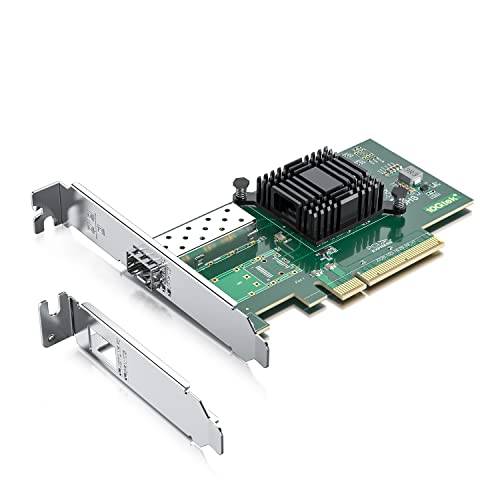
- Intel 82599EN chipset for stable 10GbE networking
- Single SFP+ port supports DAC, AOC, and transceivers
- Includes low-profile bracket for compact PC cases
Best For: Users who want a reliable single-port 10GbE SFP+ upgrade for PCs, homelabs, or small servers.
Best for Fiber Networking
Asus XG-C100F 10GbE SFP+ PCIe Card

- 10Gbps SFP+ networking for faster wired performance
- Works with fiber optic and direct-attach copper links
- Aluminum heatsink and QoS support add practical value
Best For: PC users with SFP+ networking gear who want a simple 10GbE fiber-ready upgrade.
Best for M.2 Builds

- Intel 82599 chipset for stable 10GbE performance
- M.2 install saves a full PCIe slot
- Works with Windows, Linux, ESXi, and FreeBSD
Best For: Users with an open M.2 slot who want compact 10GbE SFP+ networking.
Best for Intel Compatibility
10Gb Open SFP+ PCI-e Network Card
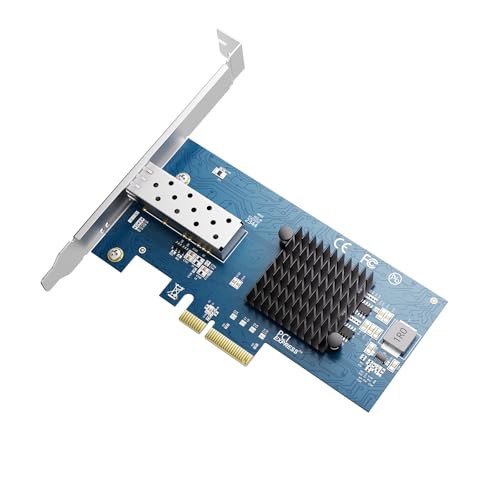
- Intel 82599EN controller for reliable 10Gb networking
- Supports PXE, UEFI, and remote wake-up
- Compatible with Windows, Server, VMware, and Linux
Best For: PC builders and home lab users who want a proven Intel-based SFP+ adapter with broad OS support.
Best Dual-Port Upgrade

- Dual SFP+ ports for flexible 10Gb networking
- Broadcom BCM57810S for stable performance
- Includes full-height and low-profile brackets
Best For: PC users upgrading to dual-port 10Gb SFP+ networking on a desktop or home server.
Best for 10Gb SFP+ Upgrades

- 10Gbps SFP+ adapter with X520/82599-class controller
- Fits PCIe x8/x16 systems and includes low-profile bracket
- Supports Windows, Windows Server, and VMware
Best For: PC users who need a dependable 10Gb SFP+ expansion card for fast storage, server, or virtualization setups.
Best for Dual-Port 10GbE
10Gtek Dual SFP+ 10Gb PCIe NIC

- Dual SFP+ ports for 10GbE links
- Intel 82599ES controller improves stability
- Low-profile bracket included for compact builds
Best For: PC and homelab users who want a dependable dual-port SFP+ upgrade.
Dual-Port 10Gb Value
NICGIGA Intel 82599 Dual SFP Network Card

- Two 10Gb SFP ports for fast fiber or DAC networking
- Broad OS support including Windows, Linux, Server, and VMware
- Includes both full-height and low-profile brackets
Best For: PC and server users who want a dependable dual-port 10Gb SFP upgrade.
Stable Intel-Chipset Pick – 10Gtek 10Gb PCI-E SFP+ NIC
If you want a dependable sfp plus network card for pc builds that need real 10GbE performance, this 10Gtek adapter is a straightforward choice. It uses the Intel 82599EN controller, supports common server and virtualization platforms, and works with SFP+ modules, DAC, or AOC connections for flexible network upgrades.
Best For: Desktop users, homelab builders, and small servers that need a single-port 10GbE SFP+ adapter with broad OS compatibility.
Pros:
- Intel 82599EN controller for proven stability and virtualization support
- Single SFP+ port works with DAC, AOC, and 10Gb SFP+ modules
- Includes both full-height and low-profile brackets for easier installation
- Supports Windows Server, Linux, and VMware environments
Cons:
- 10Gb only, with no support for 1G/2.5G/5G speeds
- Win11 use may require careful driver setup
- Not hot-swappable
This is a solid sfp plus network card for pc users who care more about reliability and compatibility than flashy extras. If you need a simple Intel-based 10GbE upgrade for a workstation or small server, it covers the essentials well.
Best for Fiber Networking – Asus XG-C100F 10GbE SFP+ PCIe Card
If you need an sfp plus network card for pc that can move beyond standard Gigabit speeds, the Asus XG-C100F is built for fast 10GbE fiber or direct-attach copper connections. It’s a practical upgrade for large file transfers, 4K streaming, and low-latency gaming on a compatible network.
Best For: PC builders and power users who want a simple 10GbE SFP+ upgrade for fiber or DAC setups.
Pros:
- 10Gbps SFP+ performance for much faster wired networking
- Supports both fiber optic and direct-attach copper connections
- Aluminum heatsink helps keep temperatures in check under load
- Built-in QoS can prioritize important traffic like gaming or streaming
Cons:
- Requires compatible SFP+ networking gear to reach full speed
- Not ideal if you only need a basic RJ-45 Ethernet port
For buyers comparing an sfp plus network card for pc, the XG-C100F stands out for its straightforward 10GbE upgrade path and flexible fiber/DAC support. It’s a strong fit when your network hardware is already ready for SFP+ and you want faster transfers without overcomplicating the install.
Best for M.2 Builds – Vogzone M.2 10GbE SFP+ NIC
If you need an sfp plus network card for pc and your system has an open M.2 slot, this Vogzone adapter is a practical way to add 10GbE connectivity without using a full-size PCIe slot. It uses Intel’s 82599 controller, supports a wide range of enterprise features, and is aimed at users who want fast wired networking in a compact build.
Best For: PC builders, homelab users, and workstation owners with an available M.2 slot who want 10GbE SFP+ networking.
Pros:
- Intel 82599 chipset for proven 10GbE performance and low latency
- M.2-based design helps save PCIe expansion slots
- Supports PXE, UEFI, SR-IOV, Jumbo Frames, iSCSI, and FCoE
- Broad OS support including Windows, Linux, ESXi, and FreeBSD
Cons:
- Requires an available M.2 slot and motherboard compatibility checks
- Needs separate 15-pin SATA power, which is not included
- May require driver setup for Windows 11 operation
As an sfp plus network card for pc, this model stands out for systems that can’t spare a PCIe slot but still need enterprise-style 10GbE features. It’s a smart fit if you value flexibility, compatibility, and a compact installation path.
Best for Server Stability – 10Gtek Dual SFP+ 10Gb PCIe NIC
If you need an sfp plus network card for pc that leans more toward reliability than flashy extras, the 10Gtek BCM57810S is a practical pick. Its Broadcom chipset, dual SFP+ ports, and broad OS support make it a solid fit for workstation, server, and virtualization builds that need dependable 10GbE connectivity.
Best For: Users who want a stable dual-port 10Gb SFP+ adapter for servers, VMware, or compatible Windows and Linux systems.
Pros:
- Broadcom BCM57810S chipset is a strong choice for stability and compatibility
- Dual SFP+ ports support DAC, AOC, and SFP+ optical modules
- Works with a wide range of Windows Server, Linux, and VMware environments
- Includes both standard and low-profile brackets for easier installation
Cons:
- Does not support hot swapping
- Best suited to systems that already have SFP+ networking gear
For buyers comparing an sfp plus network card for pc, this model stands out for dependable Broadcom-based performance and flexible dual-port expansion rather than consumer-friendly simplicity. It is a better fit for networked workstations and server-style setups than for casual desktop upgrades.
Best for Intel Compatibility – 10Gb Open SFP+ PCI-e Network Card
If you want a dependable sfp plus network card for pc, this Intel 82599-based 10GbE adapter is built for stable high-speed networking, server use, and fast local transfers. Its single SFP+ port works with DAC, AOC, or SFP+ modules, making it a practical fit for home labs, workstations, and small servers that need 10Gb networking without moving to more complex hardware.
Best For: PC builders, home lab users, and server setups that need a proven Intel-based SFP+ adapter with PXE and wake-on-LAN support.
Pros:
- Intel 82599EN controller for broad compatibility and reliable 10Gb performance
- Supports PXE, UEFI, and remote wake-up for easier deployment and management
- Works in PCIe x4, x8, and x16 slots for flexible installation
- Compatible with Windows, Windows Server, VMware, and multiple Linux environments
Cons:
- Requires SFP+ networking gear, so it is not a direct RJ45 Ethernet solution
- Best suited for systems with room and airflow for a discrete PCIe card
Overall, this is a strong sfp plus network card for pc if you value compatibility, 10Gb stability, and admin-friendly features over plug-and-play simplicity. It is especially appealing for users building a lab or upgrading a server-like desktop.
Best Dual-Port Upgrade – H!Fiber 10Gb SFP+ PCI-E NIC
If you need a practical sfp plus network card for pc, this H!Fiber dual-port adapter is a straightforward way to move beyond 1GbE and add flexible 10Gb connectivity. The Broadcom BCM57810S controller, PCIe x8 support, and broad OS compatibility make it a solid fit for desktops, workstations, and home servers.
Best For: PC users who want a dual SFP+ adapter for 10Gb networking, lab builds, or server-style upgrades.
Pros:
- Dual SFP+ ports for 10Gb connections with DAC, AOC, or transceiver support
- Broadcom BCM57810S chip for stable, well-supported networking
- Includes both full-height and low-profile brackets for flexible installs
- Works with Windows, Linux, VMware ESXi, and multiple server OS versions
Cons:
- Requires compatible SFP+ modules or direct-attach cabling, which adds cost
- Not ideal if your PC only has limited PCIe expansion space or power headroom
Overall, this is a strong sfp plus network card for pc buyers who want dual ports and broad compatibility without overcomplicating the setup. It’s especially appealing for users building a small lab, NAS, or workstation that needs dependable 10Gb networking.
Best for 10Gb SFP+ Upgrades – 10Gb SFP PCI-e Network Card
If you need a practical sfp plus network card for pc, this X520-based 10GbE adapter is a strong fit for desktops, workstations, and servers that can use a PCIe x8 or x16 slot. It’s built for stable high-speed transfers, with backward compatibility and support for Windows, Windows Server, and VMware.
Best For: PC builders and IT users who want a straightforward 10Gb SFP+ upgrade for fast local transfers, NAS access, or virtualization.
Pros:
- 10Gbps SFP+ performance with an Intel 82599/X520-class controller
- Works with common PCIe x8/x16 slots and includes standard plus low-profile brackets
- Compatible with Windows, Windows Server, and VMware environments
- Designed for better heat dissipation and stable network transfers
Cons:
- Requires a PCIe slot, so it will not work in legacy PCI slots
- SFP+ port means you’ll need compatible transceivers or DAC cabling
- More suitable for networked setups than casual home internet use
This is a solid sfp plus network card for pc if your priority is dependable 10Gb connectivity rather than extra features. It makes the most sense for users who already have SFP+ networking gear and want an affordable, server-style adapter for a desktop or small workstation.
Best for Dual-Port 10GbE – 10Gtek Dual SFP+ 10Gb PCIe NIC
If you need an sfp plus network card for pc that delivers true 10GbE connectivity, this 10Gtek dual-port adapter is a practical pick. It uses Intel’s 82599ES controller, supports server and virtualized environments, and gives you two SFP+ ports for DAC, AOC, or transceiver-based links.
Best For: Desktop or small server users who want a dual-port SFP+ upgrade for fast storage, virtualization, or lab networking.
Pros:
- Dual SFP+ ports for flexible 10GbE setups
- Intel 82599ES controller for solid stability and virtualization support
- Includes both standard and low-profile brackets for easier installation
- Works with Windows Server, Linux, and VMware/ESXi environments
Cons:
- 10Gb only; no 1G/2.5G/5G fallback
- Windows 11 support depends on correct driver setup
- Not hot-swappable
This is a strong sfp plus network card for pc if you want reliable dual-port 10GbE without stepping up to a more expensive enterprise card. It’s especially useful for users building a fast NAS link, homelab, or virtualization box where stable SFP+ performance matters more than consumer-grade compatibility.
Dual-Port 10Gb Value – NICGIGA Intel 82599 Dual SFP Network Card
If you need an sfp plus network card for pc that can handle serious throughput, this NICGIGA adapter is built around Intel’s 82599/X520-DA2 controller and exposes two 10GbE SFP ports. It’s a practical upgrade for desktops, workstations, and small servers where stable high-speed fiber or DAC connectivity matters more than flashy extras.
Best For: Users who want a dual-port 10Gb SFP card for a PCIe desktop, workstation, or home lab server.
Pros:
- Dual 10Gb SFP ports for fast storage, virtualization, and LAN traffic
- Intel 82599 controller is widely supported across Windows, Linux, Server, and VMware
- Includes standard and low-profile brackets for more PC and server builds
- PCIe x8/x16 compatibility suits modern expansion slots
Cons:
- Requires PCIe, so it won’t fit older PCI-only systems
- SFP transceivers or DAC cables are sold separately
- Overkill if you only need standard gigabit Ethernet
As an sfp plus network card for pc, this model makes sense when you want dependable dual-port 10GbE performance without hunting for niche driver support. It’s especially appealing for lab builds and servers that need stable, flexible fiber networking.
How We Picked the Best Sfp Plus Network Card for PC
For this roundup, we prioritized compatibility, controller quality, port count, slot requirements, and practical use in real desktop builds. We also looked for cards that make sense for common upgrade paths, whether you want a basic single-port Sfp Plus Network Card for PC or a higher-throughput dual-port option for heavier workloads.
We favored known controllers such as Intel 82599 and Broadcom BCM57810S, since these are widely used in 10GbE deployments and are generally easier to match with DACs, switches, and fiber modules.
Quick Comparison
Single-port cards are usually the best choice for most home labs and creator PCs. Dual-port models are better when you need redundancy, segmentation, or one port for uplink and one for storage or lab traffic. M.2 adapters can be useful in compact systems that lack a spare PCIe slot, but they are more niche and should be chosen only if your board supports them properly.
Key Buying Factors for SFP+ Network Card for PC
Compatibility
Check your motherboard slot type, lane availability, operating system, and case clearance before buying. A card may be physically compatible but still underperform if your system cannot provide enough PCIe bandwidth or cooling.
Port Count
One SFP+ port is enough for most users who just want a single 10GbE link. Two ports make sense for advanced routing, NAS connectivity, link aggregation, or separate traffic paths.
Transceiver and Cable Support
Make sure the card matches your intended connection type. Some setups use DAC cables, while others require fiber modules and optical cabling. If you already own switches or transceivers, verify that the card and switch are compatible.
Driver and OS Support
Driver support matters as much as the hardware. Windows compatibility is common, but if you use Linux, Proxmox, or other environments, double-check that the chipset is well supported.
Cooling and Power
10GbE adapters can run warm, especially dual-port models. A card with a strong heatsink and reasonable airflow will usually be more dependable over long sessions.
Who Should Buy Which Sfp Plus Network Card for PC?
If you want a simple, dependable upgrade for a desktop or workstation, choose a single-port Intel-based model. If you are building a lab, NAS, or multi-service machine, a dual-port Broadcom or Intel card is often the better fit. If your PC has limited expansion, an M.2 solution may be the only practical option, but it should be reserved for systems designed to support it.
In short, the best Sfp Plus Network Card for PC is the one that matches your slot, cabling, and workload first, then your performance goals second.