Fiber internet deserves a router that can keep up. With Wi-Fi 7, multi-gig ports, and better handling for busy homes, the right pick can unlock the full speed of your connection.
Below, we focus on models that make sense for fiber plans, whether you want a simple upgrade, a gaming-friendly router, or a whole-home mesh system.
Best 10 Wifi 7 Routers for Fiber Internet Picks for 2026
Top Pick for Multi-Gig Fiber Homes
TP-Link Archer BE600 Tri-Band WiFi 7

- 10G WAN/LAN and multiple 2.5G ports
- Tri-band Wi-Fi 7 with 320MHz channels
- Up to 2,600 sq. ft. and 120 devices
Best For: Multi-gig fiber homes needing fast wired and wireless performance
Best Budget Mesh Starter
Amazon eero 7 Dual-Band Wi-Fi 7
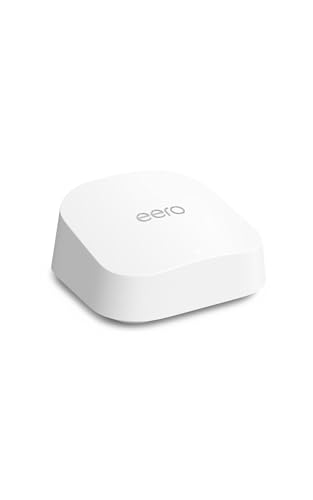
- Supports fiber plans up to 2.5 Gbps
- Two auto-sensing 2.5 GbE ports
- Mesh-ready with 2,000 sq. ft. coverage
Best For: Affordable Wi-Fi 7 with easy mesh expansion for fiber users
Best High-Capacity All-Rounder
TP-Link Archer BE12000 Wi-Fi 7

- 10G WAN/LAN and 2.5G connectivity
- Tri-band Wi-Fi 7 with high 6 GHz/5 GHz speeds
- Up to 3,000 sq. ft. and 128 devices
Best For: Busy fiber households needing broad coverage and strong port options
Best Dual-Band Wi-Fi 7 Value

- Up to 3.6 Gbps Wi-Fi 7 dual-band speeds
- Dual-WAN plus USB mobile tethering support
- AiProtection Pro and Smart Home Master
Best For: Secure, flexible Wi-Fi 7 for smaller to mid-sized fiber homes
Top Pick for High-Speed Fiber
NETGEAR Nighthawk WiFi 7 Tri-Band Router

- Up to 9.3Gbps WiFi 7 speed
- 2.5 Gig internet port for fiber-ready setups
- Covers up to 2,500 sq. ft. and 100 devices
Best For: Fiber users who want a router-only upgrade with strong speed and multi-gig support.
Best Mesh Option for Whole-Home Fiber
TP-Link Deco 7 WiFi 7 Mesh System

- Up to 6,600 sq. ft. coverage with a 3-pack
- WiFi 7 mesh with AI-Roaming and MLO
- Two 2.5G ports per unit for wired backhaul
Best For: Fiber households that need whole-home coverage more than a single-router setup.
Best Budget-Friendly Fiber Router
NETGEAR Nighthawk WiFi 7 Dual-Band Router
- Up to 6.5Gbps WiFi 7 speed
- 2.5 Gig internet port for fiber plans
- Covers up to 2,500 sq. ft. and 80 devices
Best For: Fiber users who want a straightforward WiFi 7 router with multi-gig support.
Value Pick
TP-Link Archer BE230 Dual-Band Wi-Fi 7 Router

- 2x 2.5G ports for multi-gig fiber
- Wi-Fi 7 with MLO and 4K-QAM
- EasyMesh, HomeShield, and Tether app
Best For: Fiber homes wanting a value-focused Wi-Fi 7 router with strong wired connectivity
Coverage Pick
NETGEAR Nighthawk RS180 WiFi 7 Router

- Up to 5.5 Gbps Wi-Fi 7 speeds
- 2.5 Gig port for fiber plans
- Covers 2,500 sq. ft. and 80 devices
Best For: Fiber households prioritizing broad coverage and a simple router-only setup
Performance Pick
TP-Link BE400 Dual-Band Wi-Fi 7 Router

- Dual 2.5Gbps ports for fiber
- Supports up to 90 devices
- EasyMesh, HomeShield, and VPN support
Best For: Fiber homes that need higher device capacity and dual 2.5Gbps wired flexibility
Top Pick for Multi-Gig Fiber Homes – TP-Link Archer BE600 Tri-Band WiFi 7
If you want a WiFi 7 router for fiber internet that can actually take advantage of multi-gig service, the Archer BE600 is built for that job. Its 10G WAN/LAN port, 2.5G port, and three additional 2.5G LAN ports make it a strong match for fast wired backbones, while tri-band Wi-Fi 7 helps keep wireless traffic moving smoothly across a busy home.
Best For: Fiber internet users who want a fast tri-band router with serious multi-gig wired ports.
Pros:
- 10G WAN/LAN plus 2.5G and 2.5G LAN ports for multi-gig fiber setups
- Tri-band Wi-Fi 7 with 320MHz support and MLO for smoother performance
- Up to 2,600 sq. ft. coverage and support for up to 120 devices
- HomeShield security, parental controls, and VPN support
Cons:
- Coverage is solid, but not as large as some higher-end alternatives
- Uses a separate modem, so it is not an all-in-one gateway
- Best wired performance depends on having multi-gig internet equipment
This is a strong pick if your fiber plan and home network can use 10G or 2.5G connections. It combines future-ready wired ports with Wi-Fi 7 features, making it a practical upgrade for fast internet and many connected devices.
Best Budget Mesh Starter – Amazon eero 7 Dual-Band Wi-Fi 7
For buyers looking at wifi 7 routers for fiber internet without jumping to a premium tri-band model, the eero 7 is an approachable entry point. It supports internet plans up to 2.5 Gbps, includes two auto-sensing 2.5 GbE ports, and uses mesh-oriented software to help keep coverage steady in everyday homes.
Best For: Fiber customers who want an affordable Wi-Fi 7 router with easy mesh expansion.
Pros:
- Supports internet plans up to 2.5 Gbps
- Two auto-sensing 2.5 GbE ports for fast wired connections
- Coverage up to 2,000 sq. ft. and 120+ devices
- TrueMesh, TrueRoam, and TrueChannel help maintain reliable connections
Cons:
- Dual-band design is less capable than tri-band Wi-Fi 7 routers
- Wireless speeds top out lower than high-end competitors
- Best for moderate-size homes, not the largest spaces
The eero 7 makes sense if you want a simpler, lower-cost way to bring Wi-Fi 7 to a fiber plan up to 2.5 Gbps. It is especially attractive if you may expand into a mesh setup later and value software-driven stability over maximum raw specs.
Best High-Capacity All-Rounder – TP-Link Archer BE12000 Wi-Fi 7
If your fiber connection needs a router with more headroom, the Archer BE12000 is a strong tri-band option for modern homes. It pairs a 10G WAN/LAN port with a 2.5G port, six high-gain antennas, and Wi-Fi 7 features designed to keep speeds and coverage strong as device counts rise.
Best For: Fast fiber internet users who want a tri-band Wi-Fi 7 router with broad coverage and high-capacity ports.
Pros:
- 10G WAN/LAN port plus 2.5G port for multi-gig internet plans
- Tri-band Wi-Fi 7 with up to 5,765 Mbps on both 6 GHz and 5 GHz
- Covers up to 3,000 sq. ft. and supports up to 128 devices
- 6 antennas, beamforming, and EasyMesh support
Cons:
- Only one 10G port, so wired expansion still has limits
- Needs a separate modem
- Performance can vary with walls, distance, and obstacles
This is a balanced choice if you want a Wi-Fi 7 router that can serve a fast fiber plan without feeling underbuilt. Its port selection, tri-band design, and larger coverage target make it a practical upgrade for busy households.
Best Dual-Band Wi-Fi 7 Value – ASUS RT-BE58U WiFi 7 Router
The ASUS RT-BE58U is a practical Wi-Fi 7 router for fiber internet if you want modern features without moving up to a bulky tri-band model. It offers up to 3.6 Gbps speeds, MLO, dual-WAN flexibility, and security-focused features that make it useful for homes that care about both performance and control.
Best For: Fiber users who want a dual-band Wi-Fi 7 router with strong security and flexible networking features.
Pros:
- Wi-Fi 7 dual-band speeds up to 3,600 Mbps
- Multi-link operation helps improve connection stability
- Dual-WAN and USB support for 4G LTE/5G mobile tethering
- AiProtection Pro, Safe Browsing, and Smart Home Master features
Cons:
- Dual-band design offers less wireless headroom than tri-band routers
- Coverage is listed at 2,000 sq. ft., which may be modest for larger homes
- It is not the best choice if you want maximum multi-gig port flexibility
This router fits well when you want a secure, flexible upgrade for a fiber connection and do not need the highest-end tri-band hardware. It is a sensible option for smaller to mid-sized homes that value app-based control and VPN-friendly features.
Top Pick for High-Speed Fiber – NETGEAR Nighthawk WiFi 7 Tri-Band Router
If you want one of the stronger wifi 7 routers for fiber internet, this NETGEAR Nighthawk is built around speed and a multi-gig-ready 2.5 Gig internet port. It’s a router-only model, so it pairs with your existing fiber modem or gateway setup, and its tri-band WiFi 7 design is aimed at fast, stable performance for busy homes.
Best For: Fiber users who want a router-only upgrade with strong wireless speed and multi-gig support.
Pros:
- Up to 9.3Gbps wireless speed with WiFi 7
- 2.5 Gig internet port for latest cable or fiber plans
- Coverage up to 2,500 sq. ft. and support for up to 100 devices
- Nighthawk app setup plus built-in security features
Cons:
- Not a modem, so it needs separate internet equipment
- May require a separate modem for fiber service
- Best fit is a medium-sized home rather than mesh-style whole-home expansion
This is a practical pick if you already have fiber hardware and simply need a fast WiFi 7 router with a multi-gig port. Its main appeal is strong throughput, broad coverage, and simple app-based management.
Best Mesh Option for Whole-Home Fiber – TP-Link Deco 7 WiFi 7 Mesh System
For fiber internet in a larger home, this TP-Link Deco WiFi 7 mesh system is the most coverage-focused option in the group. The 3-pack design creates a single network name, uses AI-Roaming for smoother movement between rooms, and includes 2.5G ports for wired backhaul or fast wired connections.
Best For: Fiber households that need whole-home coverage more than a single-router setup.
Pros:
- Covers up to 6,600 sq. ft. and supports over 150 devices
- WiFi 7 mesh design with AI-Roaming and MLO support
- Two 2.5G ports per unit for wired backhaul or faster wired use
- Includes app setup, HomeShield features, and VPN support
Cons:
- Requires a separate modem for internet service
- Mesh system may be more than needed for smaller homes
- Dual-band design may not suit buyers specifically looking for tri-band
If your fiber plan feeds a busy household with dead zones, this Deco package is the most scalable choice here. It trades raw single-router simplicity for stronger room-to-room consistency and easy expansion.
Best Budget-Friendly Fiber Router – NETGEAR Nighthawk WiFi 7 Dual-Band Router
This NETGEAR Nighthawk is a simpler WiFi 7 router for fiber internet when you want the newer standard without stepping up to a more expensive mesh kit. It offers dual-band WiFi 7 performance, a 2.5 Gig internet port, and coverage sized for typical medium homes.
Best For: Fiber users who want a straightforward WiFi 7 router with multi-gig support.
Pros:
- Up to 6.5Gbps WiFi 7 speed
- 2.5 Gig internet port for latest cable or fiber plans
- Covers up to 2,500 sq. ft. and 80 devices
- Compact router-only design with app-free setup support
Cons:
- Not a modem, so it needs separate internet equipment
- Dual-band model may not match tri-band alternatives for heavier loads
- May require a separate 2.5 Gbps capable modem for fiber service
For buyers who mainly want a clean upgrade path to WiFi 7, this model keeps the formula simple. It’s a good fit if your fiber service is fast and you need a router that can take advantage of it without adding mesh complexity.
Value Pick – TP-Link Archer BE230 Dual-Band Wi-Fi 7 Router
If you want a practical WiFi 7 router for fiber internet without jumping to a premium price tier, the TP-Link Archer BE230 is built around the speeds and ports that matter. Its dual 2.5G ports make it a strong match for multi-gig fiber plans, while Wi-Fi 7 features like MLO, Multi-RU, and 4K-QAM help improve efficiency for busy homes.
Best For: Homes on fiber internet that want multi-gig wired ports, easyMesh expansion, and straightforward app-based setup.
Pros:
- 2x 2.5G ports plus 3x 1G ports suit multi-gig fiber and wired devices.
- Wi-Fi 7 features include MLO, Multi-RUs, and 4K-QAM.
- Covers up to 2,000 sq. ft. and supports up to 60 devices.
- Includes EasyMesh support, HomeShield security, and Tether app management.
Cons:
- Dual-band design does not include 6 GHz.
- Needs a separate modem for internet service.
Overall, the BE230 is a solid fit if your fiber plan benefits from faster wired backhaul and you want Wi-Fi 7 features in a compact, easy-to-manage router. It is especially appealing for homes that may later expand coverage with EasyMesh gear.
Coverage Pick – NETGEAR Nighthawk RS180 WiFi 7 Router
The NETGEAR Nighthawk RS180 is a straightforward WiFi 7 router for fiber internet if you want strong coverage and a simple multi-gig WAN port. With up to 5.5 Gbps wireless speed and a 2.5 Gig internet port, it is aimed at households that need solid performance for streaming, gaming, and video calls.
Best For: Fiber users who want wide coverage, a 2.5 Gig internet port, and an easy router-only setup.
Pros:
- Wi-Fi 7 speeds up to 5.5 Gbps.
- 2.5 Gig internet port works with latest cable or fiber plans.
- Covers up to 2,500 sq. ft. and supports up to 80 devices.
- Smaller footprint with high-performance antennas.
Cons:
- Router only; it is not a modem.
- A separate modem may be needed for cable or fiber service.
The RS180 makes sense when your priority is broad home coverage and a simple path to multi-gig internet. It is less about extra networking extras and more about delivering a clean, capable Wi-Fi 7 upgrade for a busy home.
Performance Pick – TP-Link BE400 Dual-Band Wi-Fi 7 Router
The TP-Link BE400 is a feature-rich WiFi 7 router for fiber internet, especially if you want more wired flexibility and higher device capacity. Its dual 2.5Gbps ports, 6-stream dual-band design, and multi-gig-ready performance make it a strong fit for fast home connections and heavier household traffic.
Best For: Fiber internet users who want a higher-capacity Wi-Fi 7 router with dual 2.5Gbps ports and strong whole-home coverage.
Pros:
- Dual 2.5Gbps ports support multi-gig fiber connections.
- 6-stream dual-band Wi-Fi 7 design reaches up to 5,764 Mbps on 5 GHz.
- Covers up to 2,400 sq. ft. and supports up to 90 devices.
- Includes EasyMesh support, HomeShield security, and VPN client/server features.
Cons:
- Dual-band model does not include 6 GHz.
- Requires a separate modem for internet access.
For fiber homes that need a strong mix of wireless capacity, wired speed, and security tools, the BE400 is the most rounded option in this group. It is a good choice when you want room for lots of devices without giving up multi-gig port support.
How We Picked the Best Wifi 7 Routers for Fiber Internet
For this roundup, we prioritized routers that match the realities of fiber service: multi-gig WAN/LAN ports, Wi-Fi 7 features like wider channels and improved efficiency, and enough CPU and antenna design to handle high-speed traffic without bottlenecks. We also favored models with clear coverage claims, mesh expandability where relevant, and practical extras such as USB, VPN support, and dual-WAN for flexible setups.
Quick Comparison: What Matters Most
The best Wi-Fi 7 routers for fiber internet are not always the fastest on paper. A 10G port matters most if your fiber plan exceeds 2.5Gbps or you want more future-proofing. If your plan tops out at 1Gbps to 2Gbps, a strong 2.5G router may deliver excellent real-world performance without extra cost. Mesh systems are better for larger homes, while single-router models often fit apartments and smaller households more efficiently.
Key Buying Factors for Wi-Fi 7 Routers for Fiber Internet
Port Speed and ISP Compatibility
Check your modem or optical network terminal first. If your fiber provider offers 2.5Gbps service or higher, choose a router with at least one 2.5G WAN port. For multi-gig plans above that range, a 10G port is a major advantage. Make sure the router’s port layout supports your wired devices as well as your internet handoff.
Coverage and Home Layout
Coverage claims are useful, but they should be matched to your floor plan. Single-router models work best in open layouts and smaller homes, while mesh systems are a better fit for larger spaces, thick walls, or dead zones.
Band Configuration
Tri-band models can help busy households keep devices spread out more effectively, while dual-band options can still be excellent if your home has fewer wireless clients or you rely heavily on wired connections.
Advanced Features
Look for features that fit your use case: gaming optimization, VPN support, USB storage sharing, dual-WAN failover, or easy mesh expansion. These do not increase raw speed on their own, but they can improve flexibility and day-to-day usability.
Who Should Buy Which Wifi 7 Routers for Fiber Internet?
If you have a faster fiber plan, many devices, and several wired connections, choose a tri-band or 10G-ready model. If you want simple setup and reliable performance for a 1Gbps to 2.5Gbps plan, a dual-band Wi-Fi 7 router may be the better value. For larger homes, a mesh system is usually the smartest choice. For gamers and power users, prioritize latency-friendly features, strong wireless throughput, and enough ports for consoles, PCs, and NAS gear.
In short, the best choice depends less on Wi-Fi 7 branding and more on how well the router matches your fiber speed, home size, and wired-device needs.