Remote creative work is easier when your tablet feels responsive, comfortable, and dependable throughout a full day of sketching, annotating, editing, or teaching. A screen-based pen display can provide a more natural workflow than a traditional graphics tablet, while compact models remain practical for smaller desks and mobile setups.
These 10 picks cover affordable entry-level options, feature-rich midrange displays, and larger professional models. Use the guide below to match screen size, pressure sensitivity, shortcut controls, compatibility, and workspace needs to the way you work.
Best 10 Drawing Display Tablets for Remote Work Picks for 2026
Compact Screen Pick

- 11.6-inch Full HD display with 100% sRGB
- Battery-free pen with 8,192 pressure levels
- Shortcut keys, touch bar, and remote-work compatibility
Best For: Teachers, students, and creative remote workers wanting a compact screen tablet
Color-Accurate Workflow Pick

- Laminated 13.3-inch Canvas Glass 2.0 display
- 16,384 pressure levels and 99% sRGB coverage
- Dual dials, shortcut keys, and adjustable stand
Best For: Designers and illustrators prioritizing color accuracy and ergonomic controls
Portable Budget Pick
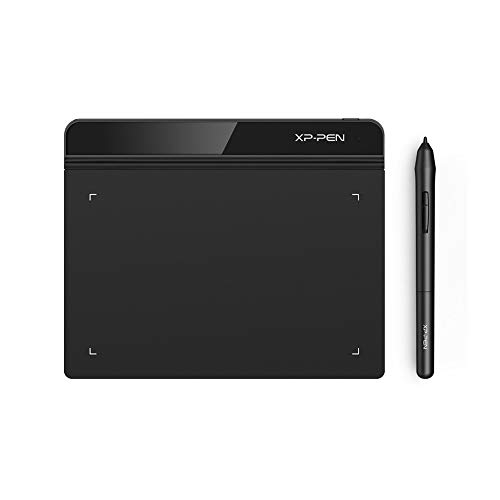
- Slim 2 mm design with a 6×4-inch active area
- Battery-free stylus with 8,192 pressure levels
- Supports Chromebook, Office apps, Zoom, and online teaching
Best For: Portable remote-work notes, signatures, teaching, and basic drawing
Professional Control Pick
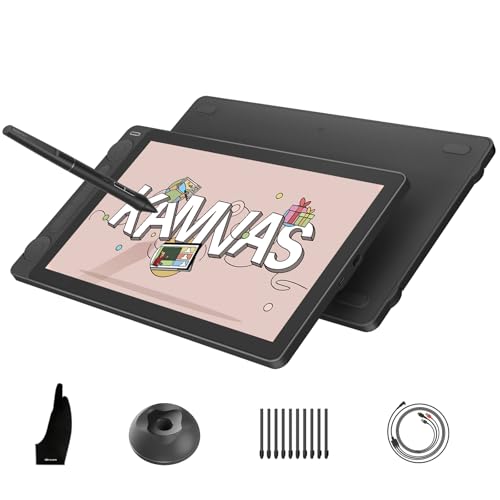
- Full-laminated Canvas Glass 2.0 with paper-textured feel
- 16,384 pressure levels and ΔE<1.5 calibration
- Dual dials, five keys, and 90% Adobe RGB coverage
Best For: Mobile artists and designers needing precise, color-focused control
Reliable Starter Pick

- Battery-free 4,096-level pen
- Works with Mac, Windows, Android, and Chromebook
- Compact tablet with four ExpressKeys
Best For: Students, teachers, and remote workers who want a compact non-screen tablet
Professional Color Choice
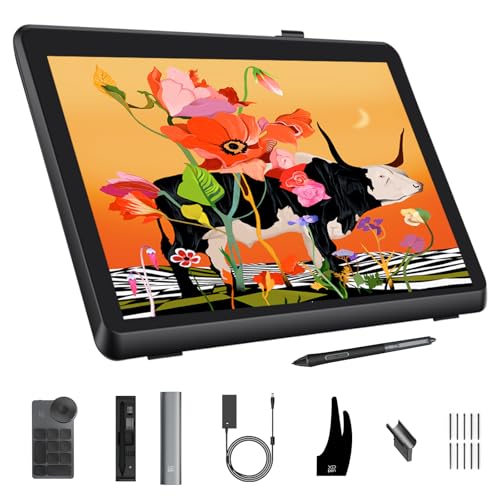
- 21.5-inch 2.5K Calman Verified display
- 99% Adobe RGB and 16,384 pressure levels
- Includes wireless 40-key keydial
Best For: Color-sensitive creative professionals needing a spacious pen display
Portable Screen Value
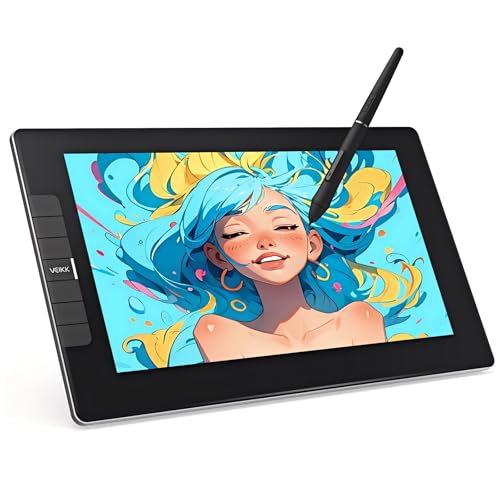
- 11.6-inch full-laminated 1080p display
- 16,384 pressure levels with battery-free pens
- Lightweight body with six shortcut keys
Best For: Remote workers and artists needing a portable screen-based tablet
Best Budget Drawing Pad

- Large 10 x 6.25-inch work area
- 16K pressure, tilt support, and eight keys
- Lightweight design with broad compatibility
Best For: Beginners and remote workers wanting a screenless tablet
Best Premium Screen Tablet

- 13.3-inch fully laminated FHD display
- 16K pressure and built-in pen eraser
- Red dial, eight keys, and dual modes
Best For: Remote educators and creators who want on-screen drawing
Best for Remote Teaching

- 11.6-inch laminated anti-glare display
- 8K pressure, tilt support, and battery-free pen
- Designed for annotation and web conferencing
Best For: Teachers and presenters working in live online sessions
Compact Screen Pick – XP-PEN Artist12
The XP-PEN Artist12 is a practical entry point for shoppers comparing drawing display tablets for remote work. Its 11.6-inch Full HD screen lets you write, annotate, edit photos, or draw directly on the display, while customizable controls can streamline everyday creative and presentation tasks.
Best For: Remote workers, teachers, students, and artists who want a compact pen display for handwritten notes, online lessons, drawing, and photo editing.
Pros:
- 11.6-inch 1920×1080 display with 100% sRGB coverage and an anti-reflective screen protector.
- Battery-free stylus offers 8,192 pressure levels and includes a digital eraser.
- Six customizable shortcut keys and a programmable touch bar support efficient workflows.
- Works with Windows, Mac, Linux, major creative software, and platforms including Zoom and Microsoft Teams.
Cons:
- It must be connected to a computer to work.
- Connection requires available HDMI and USB-A ports or suitable adapters.
Choose the Artist12 when direct-on-screen work matters more than a large canvas. It balances useful remote-work compatibility with a relatively compact display and straightforward physical controls.
Color-Accurate Workflow Pick – HUION Kamvas 13 Gen 3
The HUION Kamvas 13 (Gen 3) is a strong option among drawing display tablets for remote work when color consistency and comfortable positioning are priorities. Its laminated 13.3-inch screen, adjustable stand, dual dial controls, and single-cable connection support focused design and illustration sessions.
Best For: Designers, illustrators, and creators who need accurate color, tactile workflow controls, and an adjustable setup for longer work sessions.
Pros:
- 13.3-inch fully laminated Canvas Glass 2.0 screen is designed to reduce glare and sparkle.
- Provides 16,384 pressure levels, 99% sRGB coverage, and factory color calibration with a report.
- Five programmable shortcut keys and dual dial buttons help manage common creative controls.
- Includes an adjustable stand and supports Windows, Mac, Android devices meeting the listed requirements, and Linux.
Cons:
- It is not standalone and must be connected to a computer or laptop.
- The full-featured USB-C cable is sold separately; the included connection options should be checked against your setup.
The Kamvas 13 Gen 3 suits remote professionals who value a more refined display and physical controls. Its included stand also makes it easier to position the screen for drawing, editing, or presenting visual work.
Portable Budget Pick – XP-Pen StarG640
The XP-Pen StarG640 is a compact alternative for shoppers seeking drawing display tablets for remote work without needing an integrated screen. It replaces a mouse for handwritten notes, signatures, diagrams, teaching, and light creative work, while its slim 2 mm profile is easy to carry.
Best For: Remote workers, teachers, and students who want an inexpensive, portable pen tablet for online meetings, documents, e-signatures, and whiteboard-style collaboration.
Pros:
- Battery-free stylus supports uninterrupted writing and drawing without charging.
- Compact 6×4-inch active area and approximately 170 g weight make it travel-friendly.
- Works with Windows, Mac, and Chromebook devices and supports tools such as Word, PowerPoint, OneNote, Zoom, and Google Canvas.
- Useful for e-signatures, online teaching, diagrams, photo editing, and remote work.
Cons:
- It has no built-in display, so you draw while looking at the connected computer screen.
- The smaller active area may feel limiting for detailed artwork or broad gestures.
The StarG640 is best viewed as a portable input device rather than a true pen display. It makes remote annotation and handwriting more natural than a mouse while keeping the desk setup simple.
Professional Control Pick – HUION Kamvas 13 Gen 3 16K
This HUION Kamvas 13 (Gen 3) is designed for creators who want a portable, color-focused display with extensive controls. For remote professionals comparing drawing display tablets for remote work, its full-laminated 13.3-inch screen, dual dials, factory calibration, and symmetrical design offer a capable setup for design, editing, and illustration.
Best For: Artists, designers, editors, and other mobile creators who need precise pen input, accurate color, and customizable controls.
Pros:
- Canvas Glass 2.0 with nano-etching is designed to reduce glare, sparkle, and image noise while adding a paper-textured feel.
- PenTech 4.0 delivers 16,384 pressure levels, 2 g initial activation force, tilt auto-alignment, and three side buttons.
- Covers 99% sRGB/Rec.709 and 90% Adobe RGB, with factory calibration rated at ΔE<1.5.
- Two dials, five press keys, USB-C connectivity, and a lightweight 865 g design support flexible mobile workflows.
Cons:
- It is not a standalone device and requires connection to a computer or laptop.
- Android use requires a compatible USB 3.1 Gen 1 and DP 1.2 setup.
The 16K Kamvas 13 is a compelling choice when precision and control outweigh simplicity. Its left- and right-handed-friendly design and portable build make it especially suitable for creators moving between home and other workspaces.
Reliable Starter Pick – Wacom Intuos Small
If you need drawing display tablets for remote work but do not require a built-in screen, the Wacom Intuos Small offers a compact, wired setup for annotating documents, editing photos, and creating digital artwork. Its battery-free pen and broad software compatibility make it practical for a home office or classroom.
Best For: Students, teachers, and creators who want a compact graphics tablet for remote work and digital art.
Pros:
- Battery-free pen with 4,096 pressure levels for controlled strokes.
- Works with Windows, Mac, Android, and Chromebook devices.
- Four ExpressKeys provide convenient shortcut access.
- Includes access to creative software and Wacom online training after registration.
Cons:
- It has a 6-by-3.7-inch active area, which may feel limiting for detailed work.
- The wired USB-A connection is less flexible than a wireless setup.
- It does not include an integrated drawing screen.
The Intuos Small is a sensible choice when portability, straightforward setup, and reliable pen control matter more than drawing directly on a display. It is particularly well suited to remote annotation and everyday creative tasks.
Professional Color Choice – XPPen Artist Pro 22 Gen 2
For remote professionals who want drawing display tablets for remote work with a large built-in canvas, the XPPen Artist Pro 22 Gen 2 combines a 21.5-inch 2.5K screen with strong color coverage. Its calibrated display, shortcut keydial, and adjustable stand support extended creative sessions.
Best For: Graphic designers, photographers, and professional artists who need a large, color-accurate pen display.
Pros:
- Calman Verified color accuracy with Delta E<1 and 99% Adobe RGB coverage.
- 2.5K resolution on a 21.5-inch display provides a spacious workspace.
- 16,384 pressure levels, 60-degree tilt support, and a digital eraser enable detailed control.
- Includes a wireless ACK05 keydial with 40 customizable keys and a physical dial.
Cons:
- The large display is less portable than compact pen tablets.
- It requires connection to a compatible computer or device.
- The optional ACS15 height-adjustable stand is not included.
This is the strongest fit for color-sensitive remote workflows where screen size and precision justify a more substantial desk setup. The included stand supports adjustable positioning from 15 to 88 degrees.
Portable Screen Value – VEIKK VK1200V2
The VEIKK VK1200V2 is a practical option among drawing display tablets for remote work when you want an integrated screen without a full-size desk monitor. Its 11.6-inch laminated display, lightweight body, and compatibility with remote-office software make it easy to use across workspaces.
Best For: Remote workers and artists who want a portable pen display for drawing, annotation, and online collaboration.
Pros:
- Full-laminated 1920-by-1080 display with 120% sRGB color gamut.
- 16,384 pressure levels and 60-degree tilt support provide responsive pen control.
- Lightweight 1.78-pound design is convenient for portable use.
- Six customizable hotkeys support common workflow shortcuts.
Cons:
- It must connect to a computer for normal operation.
- The 11.6-inch screen offers less workspace than larger pen displays.
- Its HDMI and USB connectivity may require compatible ports or adapters.
The VK1200V2 balances screen-based drawing and portability, making it a useful fit for smaller desks or workers who move between locations. Two battery-free pens and a one-year hardware warranty add practical convenience.
Best Budget Drawing Pad – XP-Pen Deco 01 V3
If you want drawing display tablets for remote work without adding a screen to your desk setup, the XP-Pen Deco 01 V3 is a practical, portable option. Its large 10 x 6.25-inch active area, battery-free stylus, and customizable controls support handwriting, document annotation, and creative work through a connected computer or compatible Android device.
Best For: Beginners, remote workers, and students who want a spacious, screenless tablet for digital notes, annotations, and illustration.
Pros:
- 16,384 pressure levels and up to 60° tilt support for smooth drawing and shading.
- Eight customizable shortcut keys support right- and left-handed use.
- USB-C connectivity, broad operating-system support, and a lightweight 8 mm design.
- Includes replacement nibs, stand, glove, protective film, and adapters.
Cons:
- It has no built-in display, so you draw while looking at the connected device.
- Requires a compatible computer, tablet, or Android device for use.
The Deco 01 V3 is a strong entry-level choice when remote-work flexibility, portability, and a generous work surface matter more than an integrated screen.
Best Premium Screen Tablet – XP-Pen Artist 13.3 Pro V2
For remote work that combines visual creation with precise on-screen annotation, the XP-Pen Artist 13.3 Pro V2 provides a 13.3-inch drawing display. Its fully laminated FHD screen, single-cable USB-C option, and pen-tablet dual mode make it adaptable for creative projects, teaching, and collaborative workflows.
Best For: Remote educators, designers, and professionals who prefer drawing directly on a color-accurate screen.
Pros:
- Fully laminated 1920×1080 display minimizes parallax and includes an anti-glare film.
- 16,384 pressure levels, low activation force, tilt support, and a built-in pen eraser.
- Red dial, eight shortcut keys, and included foldable stand support efficient workflows.
- Can operate in pen-display or traditional pen-tablet mode.
Cons:
- It is not standalone and must connect to a compatible computer or laptop.
- The clean single-cable setup requires a device with USB3.1 DP1.2; HDMI setups require a separately sold 3-in-1 cable.
This is the most feature-rich option of the three for users who want a dedicated screen, strong color coverage, and controls suited to longer creative or instructional sessions.
Best for Remote Teaching – XP-Pen Artist12 Pro
The XP-Pen Artist12 Pro is a compact pen display for remote work involving digital writing, demonstrations, and document annotation. Its fully laminated 11.6-inch screen, red dial, and shortcut keys can make live instruction and screen sharing more direct in Zoom, Microsoft Teams, and Google Meet.
Best For: Teachers and remote presenters who need a compact display for handwriting, annotation, and interactive lessons.
Pros:
- Fully laminated anti-glare screen helps reduce parallax and reflections.
- Battery-free stylus provides 8,192 pressure levels and up to 60° tilt support.
- Red dial and eight customizable keys streamline zooming, brush sizing, and shortcuts.
- Supports remote teaching, web conferencing, and major creative software.
Cons:
- It is a monitor-style tablet and must connect to a host computer.
- Uses a 3-in-1 cable rather than a stated single-cable USB-C setup.
- Its 72% NTSC color coverage is less expansive than the Artist 13.3 Pro V2’s listed gamut.
The Artist12 Pro is a sensible choice for educators and presenters who value direct on-screen writing and dedicated controls while keeping the display smaller than a full-size workstation monitor.
How We Picked the Best Drawing Display Tablets for Remote Work
We focused on features that matter in a home office or hybrid workspace: screen size, display clarity, pen responsiveness, pressure sensitivity, shortcut controls, connectivity, compatibility, and desk footprint. The selection includes both pen displays with built-in screens and traditional tablets that connect to a separate monitor, so different budgets and work styles are represented.
We also considered practical remote-work concerns, including whether a tablet is easy to position beside a keyboard, whether it supports common Windows and Mac workflows, and how well its controls can reduce reliance on a mouse or keyboard.
Quick Comparison
| Best for | Recommended type | What to prioritize |
|---|---|---|
| Small desks and occasional use | Compact 11.6-inch pen display or small graphics tablet | Easy setup, low footprint, reliable pen performance |
| Daily illustration and design | 13.3-inch display tablet | Full lamination, shortcut keys, accurate color, comfortable stand |
| Large canvas work | 22-inch professional pen display | High resolution, viewing comfort, adjustable positioning |
| Budget-conscious beginners | Screenless graphics tablet | Software support, customizable keys, portable design |
Key Buying Factors for Drawing Display Tablets for Remote Work
Screen Size and Workspace
Displays around 11.6 to 13.3 inches are easier to fit into a shared home-office setup and are generally more portable. A 22-inch model offers a larger drawing area and can reduce zooming, but it needs substantially more desk space and a stable stand.
Pen Feel and Pressure Control
Battery-free styluses are convenient because they do not require charging. Higher pressure-sensitivity ratings can provide more nuance, but real-world calibration, pen tracking, tilt support, and driver quality are just as important as the headline number.
Controls, Connection, and Compatibility
Dial controls and programmable keys can speed up zooming, brush changes, and undo commands during long sessions. Check whether the tablet requires HDMI, USB-C, or multiple cables, and confirm support for your computer, operating system, and preferred creative software. Chromebook and Android compatibility can be useful for flexible remote setups.
Ergonomics and Display Quality
Look for a viewing angle that keeps your wrist and neck comfortable. Full-laminated screens can reduce the visible gap between the pen tip and cursor, while good color coverage and a matte surface help with design, photo editing, and prolonged viewing.
Who Should Buy Which Drawing Display Tablets for Remote Work?
Choose a compact pen display if you want direct-on-screen drawing without giving up much desk space. A 13.3-inch model is the most versatile choice for illustrators, designers, online instructors, and remote employees who draw or annotate regularly. A larger 22-inch display is best for professionals who work on detailed projects for hours at a time and have room for a dedicated workstation.
If portability, low cost, or a simple dual-monitor arrangement matters most, a screenless tablet such as a small or medium graphics model may be the better fit. It keeps your main monitor unobstructed and can be easier to store between sessions. Before buying, prioritize compatibility and cable layout over maximum specifications so the tablet fits smoothly into your existing remote-work routine.