The right ergonomic mouse can make long work sessions more comfortable while helping your home-office setup feel faster and more efficient. The best choice depends on your grip, desk space, connectivity needs, and tolerance for changing your pointing style.
We compared 10 ergonomic models across vertical, trackball, silent-click, rechargeable, and multi-device designs to help you find a comfortable fit for everyday productivity.
Best 10 Ergonomic Computer Mice for Home Offices Picks for 2026
Best Overall

- 57° vertical handshake design with thumb rest
- 4,000 DPI tracking and cursor-speed switch
- Wireless, rechargeable, and multi-OS compatible
Best For: Right-handed users seeking a premium vertical mouse for daily home-office work
Best for Small Hands

- Designed for small to medium hands
- Three-device Bluetooth and USB connectivity
- Quiet clicks with four adjustable DPI levels
Best For: Compact home-office setups and users who work across multiple devices
Best for Quiet Comfort
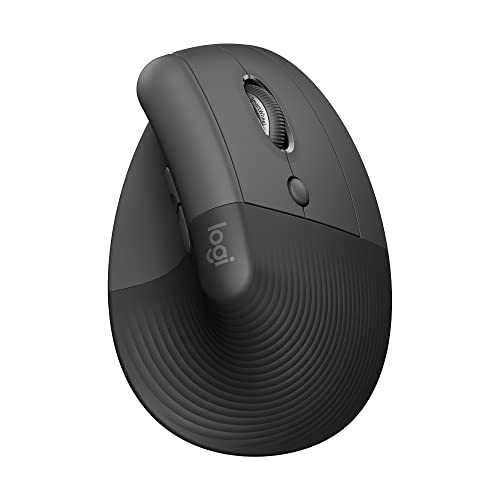
- 57° vertical design for a natural forearm posture
- Whisper-quiet clicks and SmartWheel scrolling
- Bluetooth or Logi Bolt connectivity with two-year battery life
Best For: Small to medium right hands in quiet home-office environments
Space-Saving Trackball Pick

- Thumb-controlled trackball needs little desk space
- Bluetooth and Logi Bolt connectivity
- Up to 18 months from one AA battery
Best For: Right-handed users with compact home-office setups
Budget Vertical Comfort Pick

- Handshake-style vertical design
- Three DPI settings up to 1600
- Includes browser forward and back buttons
Best For: Right-handed users wanting an affordable USB vertical mouse
Quiet Multi-Device Pick
UGREEN Ergonomic Wireless Mouse

- Vertical design with quiet clicks
- Bluetooth and 2.4G support up to three devices
- Four DPI levels up to 4000
Best For: Medium- to large-handed users working across multiple devices
Best Rechargeable Pick
Lekvey Vertical Wireless Mouse

- Rechargeable 600mAh battery
- Neutral vertical handshake grip
- Three DPI levels and USB receiver
Best For: Right-handed users with medium or large hands seeking a rechargeable home-office mouse
Best Quiet Compact Option
PHILIPS SPK7628 Ergonomic Mouse

- 57-degree vertical grip
- Quiet left and right clicks
- Three DPI settings with 2.4GHz receiver
Best For: Small- to medium-handed users in shared spaces or hybrid work setups
Best for Multi-Device Setups
TECKNET Bluetooth Vertical Mouse

- Switches among three devices
- Six DPI levels up to 4800
- Bluetooth and 2.4GHz connectivity
Best For: Right-handed users managing multiple computers in one home office
Best Overall – Logitech MX Vertical
For shoppers comparing ergonomic computer mice for home offices, the Logitech MX Vertical stands out with a 57-degree design, a textured grip, and a high-precision sensor. Its vertical handshake position is intended to support a more natural wrist posture while reducing the amount of hand movement needed for cursor control.
Best For: Right-handed home-office users who want a premium vertical mouse with precise tracking and broad device compatibility.
Pros:
- 57-degree vertical angle and thumb rest support a more natural hand position.
- 4,000 DPI sensor and cursor-speed switch help reduce hand movement.
- Wireless operation, USB-C charging, and compatibility with Windows, macOS, iPadOS, Linux, and ChromeOS.
- Battery life is rated at up to four months.
Cons:
- Right-handed design limits flexibility for left-handed users.
- Its vertical shape may require an adjustment period compared with a traditional mouse.
The MX Vertical is a strong all-around choice when wrist posture, accurate tracking, and long-term comfort matter more than a compact, conventional shape.
Best for Small Hands – SABLUTE MAM3 Ergonomic Mouse
The SABLUTE MAM3 is a practical option among ergonomic computer mice for home offices, especially for users with small to medium hands. Its 57-degree vertical profile, quiet clicks, adjustable DPI, and multi-device connectivity are geared toward long work sessions and shared spaces.
Best For: Small- to medium-handed users, remote workers, and anyone who switches between several devices.
Pros:
- Shape is specifically designed for small to medium hands.
- Connects with up to three devices through Bluetooth and a USB receiver.
- Four DPI settings from 800 to 2,400 support adjustable cursor control.
- Rechargeable battery, auto-sleep mode, quiet clicks, and a 24-month warranty.
Cons:
- Right-handed design is not suited to left-handed users.
- The vertical design may take several days to become familiar.
- Supplied details indicate rechargeable operation but also list AA battery requirements, so shoppers should verify the exact package configuration.
With a compact ergonomic shape and three-device switching, the MAM3 is well suited to a home office that doubles as a study, shared workspace, or multi-device setup.
Best for Quiet Comfort – Logitech Lift Vertical Mouse
The Logitech Lift combines a 57-degree vertical profile with a softly textured grip, thumb rest, and whisper-quiet clicks. For ergonomic computer mice for home offices, it offers a comfortable right-handed fit for small to medium hands without giving up convenient scrolling or customizable controls.
Best For: Right-handed users with small to medium hands who prioritize quiet, comfortable all-day productivity.
Pros:
- Vertical shape promotes a more natural forearm and wrist posture.
- Soft grip, thumb rest, quiet clicks, and SmartWheel scrolling support extended use.
- Connects through Bluetooth Low Energy or the included Logi Bolt USB receiver.
- Battery life is rated for up to two years.
Cons:
- Designed for right-handed users and smaller to medium-sized hands.
- Uses a replaceable AA battery rather than a rechargeable battery.
The Lift is a polished choice for quieter home offices, particularly when comfortable handling and long battery life are more important than rechargeable power.
Best for Productivity Features – Philips SPK7858 Ergonomic Mouse
The Philips SPK7858 adds productivity-focused controls to the ergonomic computer mice for home offices category. Along with a contoured right-handed shell and quiet switches, it provides horizontal thumb scrolling, three-device connectivity, adjustable DPI, and rechargeable power.
Best For: Spreadsheet users, multi-monitor workers, and professionals who want extra scrolling and customization controls.
Pros:
- Contoured shell and anti-slip thumb rest are designed for right-handed comfort.
- Dual scroll wheels include a thumb-side horizontal wheel for wide spreadsheets.
- Supports Bluetooth and a USB-A/C receiver for switching among up to three devices.
- Five DPI levels from 800 to 4,000, rechargeable power, and a five-minute emergency top-up feature.
Cons:
- Right-handed design does not accommodate left-handed users.
- Advanced button customization requires Philips software.
- Supplied operating-system details list Windows 11 and macOS 14 as minimum versions, so compatibility should be checked before purchase.
The SPK7858 is especially appealing for desk-heavy workflows where horizontal scrolling, device switching, and configurable controls can save time throughout the workday.
Space-Saving Trackball Pick – Logitech ERGO M575S
For ergonomic computer mice for home offices, the Logitech ERGO M575S stands out when desk space is limited. Its thumb-controlled trackball lets you move the cursor without moving your hand, while the sculpted right-handed shape is designed to support a more comfortable forearm posture.
Best For: Right-handed users who want a compact, quiet trackball mouse for small or space-saving home-office setups.
Pros:
- Trackball operation minimizes hand movement and works on any surface.
- Bluetooth and included Logi Bolt USB receiver provide flexible connectivity.
- Up to 18 months of battery life from one included AA battery.
- Three customizable buttons and adjustable cursor speed support personalized workflows.
Cons:
- Designed for right-handed use only.
- The trackball control may take adjustment if you are used to a conventional mouse.
The ERGO M575S is a practical choice for a home office where comfort and desk efficiency matter more than traditional mouse movement. Its long battery life and quiet clicks also suit extended work sessions.
Budget Vertical Comfort Pick – Anker 2.4G Vertical Mouse
Among ergonomic computer mice for home offices, the Anker 2.4G Wireless Vertical Mouse uses a handshake-style design to encourage a more neutral wrist and arm position. Its optical sensor offers three DPI settings, and the USB receiver provides a straightforward wireless connection.
Best For: Right-handed users seeking an affordable vertical mouse for Windows or Mac computers with USB connectivity.
Pros:
- Vertical shape is designed to reduce wrist and arm strain.
- Three selectable DPI levels—800, 1200, and 1600—support different work styles.
- Five-button layout includes next and previous buttons for easier browsing.
- Power-saving mode activates after eight minutes of inactivity.
Cons:
- Uses a 2.4 GHz USB receiver rather than Bluetooth.
- Requires two AAA batteries, which are not included.
- Click sounds are not silent.
This Anker model offers a simple entry point into vertical-mouse ergonomics. It is best suited to users who do not need Bluetooth and prefer dedicated browser navigation buttons.
Quiet Multi-Device Pick – UGREEN Ergonomic Wireless Mouse
The UGREEN Ergonomic Wireless Mouse is a versatile option among ergonomic computer mice for home offices. Its vertical design is intended to reduce wrist rotation, while Bluetooth and 2.4G wireless connectivity let you switch between up to three devices. Quiet clicks and adjustable DPI add flexibility for shared or focused workspaces.
Best For: Medium- to large-handed right-handed users who need quiet, multi-device connectivity across computers and tablets.
Pros:
- Vertical handshake design is intended to reduce wrist rotation and muscle strain.
- Bluetooth and 2.4G wireless support connections to up to three devices.
- Quiet clicks, five buttons, and four DPI levels up to 4000 support productive workflows.
- PTFE glide feet promote smoother, quieter movement.
Cons:
- Designed for medium to large hands and may not fit small hands well.
- Requires one AA battery; battery life is supported by sleep mode but no duration is specified.
- Right-handed design limits use for left-handed users.
UGREEN is a strong fit for a home office that includes several devices or values a quieter workspace. Check the hand-size guide before buying, since the vertical body is specifically intended for medium to large hands.
Best Rechargeable Pick – Lekvey Vertical Wireless Mouse
For shoppers comparing ergonomic computer mice for home offices, the Lekvey stands out with a right-handed vertical design, rechargeable battery, and straightforward USB receiver setup. Its handshake-style grip is intended to support a more neutral wrist and arm position, though users should allow a few days to adjust.
Best For: Right-handed users with medium or large hands who want a rechargeable vertical mouse for daily home-office work.
Pros:
- Vertical ergonomic shape encourages a neutral handshake wrist position.
- Rechargeable 600mAh battery can last weeks between charges with regular use.
- Three DPI settings, forward/back buttons, and plug-and-play 2.4GHz connectivity.
- Includes a 36-month manufacturer’s warranty.
Cons:
- Right-handed design is not suitable for left-handed users.
- The vertical shape requires a 3–5 day adjustment period for many users.
- Buttons are not programmable.
The Lekvey is a practical choice if avoiding disposable batteries is a priority. Its larger grip and limited DPI range make it better suited to general productivity than highly customized workflows.
Best Quiet Compact Option – PHILIPS SPK7628 Ergonomic Mouse
The PHILIPS SPK7628 is a compact option among ergonomic computer mice for home offices, combining a 57-degree vertical grip with quiet left and right clicks. Its 2.4GHz receiver offers simple plug-and-play use, while three DPI settings cover common productivity tasks.
Best For: Small- to medium-handed users who work in shared spaces, travel with a laptop, or prefer quiet clicking.
Pros:
- 57-degree vertical design is intended to reduce wrist and forearm strain.
- Quiet primary clicks suit shared offices, libraries, and late-night work.
- Lightweight, compact build with automatic sleep mode for portability.
- Works with Windows, macOS, Chrome OS, and Linux through the included USB receiver.
Cons:
- Uses a USB-A receiver rather than Bluetooth.
- A USB-C adapter is required for compatible newer devices and is not included.
- The shape is optimized for hands up to 7 inches and may not suit larger hands.
This PHILIPS mouse is a sensible fit where low noise and portability matter more than advanced customization. Its battery-powered design keeps setup simple, but USB-C-only devices may need an extra adapter.
Best for Multi-Device Setups – TECKNET Bluetooth Vertical Mouse
For a home office that includes multiple computers, the TECKNET vertical mouse offers Bluetooth and 2.4GHz connectivity with switching for up to three devices. It also provides six DPI levels up to 4800, giving users more control than many basic ergonomic computer mice for home offices.
Best For: Right-handed users who regularly switch among a laptop, desktop, and another compatible device.
Pros:
- Connects with two Bluetooth devices plus one 2.4GHz USB-A device.
- Six adjustable DPI levels from 800 to 4800.
- Near-silent left and right clicks for quieter work environments.
- Includes deep sleep power saving and a 36-month warranty when registered.
Cons:
- Requires two AAA batteries, which are not included.
- Designed for right-handed use only.
- Side buttons are not compatible with macOS, and other function buttons are not silent.
The TECKNET is the most flexible choice here for device switching and sensitivity adjustment. Its battery-powered design and macOS side-button limitation are worth considering, but the connectivity options can simplify a multi-device workspace.
How We Picked the Best Ergonomic Computer Mice for Home Offices
We focused on features that matter during extended work sessions: hand positioning, button layout, tracking control, wireless reliability, battery or charging convenience, and compatibility with common home-office devices. The lineup includes vertical mice that reduce forearm rotation, trackballs that minimize desk movement, and conventional ergonomic shapes for an easier transition from a standard mouse.
We also considered practical differences such as Bluetooth versus USB receiver connectivity, support for multiple devices, adjustable DPI, quiet clicks, left- or right-hand suitability, and the space required on a crowded desk. Because comfort is highly personal, no single design is best for everyone.
Quick Comparison
| Design | Best For | Main Advantage | Potential Trade-Off |
|---|---|---|---|
| Vertical mouse | Users with wrist or forearm discomfort | More natural handshake-style grip | Requires an adjustment period |
| Trackball mouse | Small desks or limited arm movement | Cursor control without sliding the mouse | Different precision technique |
| Standard ergonomic shape | Easy transition from a traditional mouse | Familiar controls and broad compatibility | May provide less posture change |
| Multi-device wireless | People switching between computers | Convenient device control | More settings and pairing steps |
Key Buying Factors for Ergonomic Computer Mice for Home Offices
Shape and Hand Size
Measure your hand from the wrist crease to the tip of your middle finger, then compare that size with the manufacturer’s guidance when available. Small and medium hands may feel cramped in a large vertical mouse, while oversized designs can force smaller hands to stretch.
Connection and Compatibility
Bluetooth keeps a USB port free and works well with many laptops, tablets, and Macs. A 2.4GHz USB receiver can offer simple plug-and-play setup, but newer laptops may require a USB-A adapter. Multi-device models are useful if you regularly move between a work computer and a personal device.
Controls, Tracking, and Power
Adjustable DPI helps you balance precision and cursor speed. Side buttons, tilt or side-scrolling wheels, and quiet clicks can improve productivity. For wireless models, check whether the mouse uses replaceable batteries or USB charging and whether a charging cable is included.
Who Should Buy Which Ergonomic Computer Mice for Home Offices?
Choose a vertical mouse if reducing wrist rotation is your main goal and you are willing to practice a new grip. Pick a trackball if your desk is narrow or you want to control the pointer with minimal arm movement. A conventional ergonomic mouse is the safest choice if you want more comfort without a dramatic change in handling.
For shared spaces or late-night work, prioritize silent clicking. If you use several computers, look for Bluetooth or multi-device switching. Buyers seeking the simplest setup should choose a model with the connection type their computer already supports, while frequent travelers may prefer a compact design with dependable wireless operation and rechargeable power.