Choosing the right bike navigation computer for mountain biking can make trail rides smoother, safer, and a lot less stressful. The best units balance accurate GPS, clear maps, and quick rerouting when you miss a turn.
Below, we focus on trail-friendly features that matter most: navigation, readability, battery life, and durability for rough terrain and changing conditions.
Best 10 Bike Navigation Computers for Mountain Biking Picks for 2026
Precision Trail Navigator
Garmin Edge 540 Compact GPS Cycling Computer

- Multi-band GNSS for accurate positioning
- Trail-focused maps with searchable POIs
- ClimbPro and long battery life for big rides
Best For: Riders who want accurate navigation plus performance tracking on technical trail days.
Touchscreen Trail Guide
iGPSPORT BSC300T Wireless Bike Computer
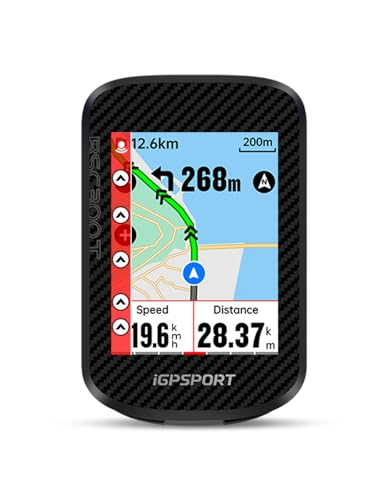
- Touchscreen and button controls
- Offline maps with off-course warnings
- Wide sensor support and app sharing
Best For: Budget-conscious riders who want touchscreen navigation, offline maps, and broad sensor compatibility.
Simple Ride Navigator
Garmin Edge Explore 2 GPS Cycling Navigator

- 3-inch sunlight-readable touchscreen
- Preloaded profiles for quick setup
- Trail and road maps with eBike routing
Best For: Riders who want an easy-to-use navigator with clear maps and minimal setup.
Voice-Guided Climber
iGPSPORT BSC500 GPS Bike Computer

- 3.3-inch display with touch and buttons
- Voice navigation plus rerouting support
- Dual-band GPS and climb training tools
Best For: Riders who want spoken turn cues, route rerouting, and a big display for navigation.
Premium Navigation Choice
Garmin Edge 840 Compact GPS Cycling Computer
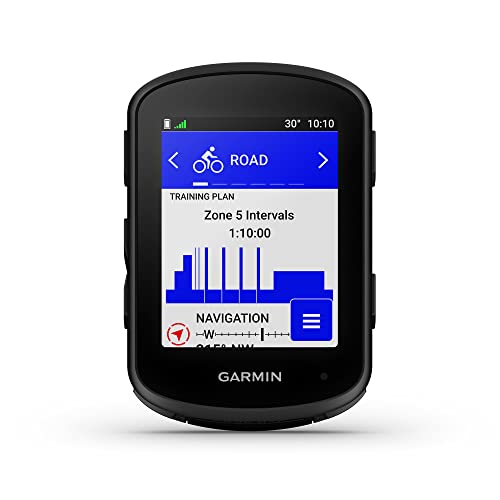
- Multi-band GNSS for improved positioning accuracy
- ClimbPro shows ascent and grade on every ride
- Up to 26 hours battery life in demanding use cases
Best For: Riders who want advanced navigation and training tools in one compact computer.
Battery Life Pick
Bryton Rider 650 Color Touchscreen GPS Bike Computer

- 33-hour battery life for long rides
- 2.8-inch color touchscreen with preloaded USA maps
- Turn-by-turn navigation plus Climb Challenge hill data
Best For: Riders who want long battery life and simple color-map navigation.
Value Navigation Pick
GEOID CC600 Color Screen Bike Computer

- Color route navigation with automatic rerouting
- Fast 5-second positioning using multiple satellite systems
- WiFi, Bluetooth, ANT+, and indoor training support
Best For: Budget-conscious riders who want practical navigation and training features.
Touchscreen Trail Navigator
COOSPO CS600 Color Touchscreen GPS Bike Computer

- 2.4-inch color touchscreen with auto-backlight
- Route upload and breadcrumb trail navigation
- 36-hour battery life with Bluetooth/ANT+ support
Best For: Mountain bikers who want a touchscreen GPS computer with long battery life
Route-Ready Color Climber
GEOID CC700 2.8" Cycling Computer

- 2.8-inch color screen with durable Asahi glass
- Color navigation with turn reminders and re-routing
- Fast 5-second positioning with WiFi, Bluetooth, and ANT+
Best For: Trail riders who want a bright screen and dependable route support
Map Navigator Pro
GEOID CC700 Pro 2.8" Touchscreen GPS Computer

- Touchscreen with 3-button control and offline map downloads
- 4GB storage with color-coded maps and dual-perspective views
- WiFi, Bluetooth, ANT+, and re-route planning support
Best For: Mountain bikers who want offline maps and touchscreen route planning
Precision Trail Navigator – Garmin Edge 540 Compact GPS Cycling Computer
If you want bike navigation computers for mountain biking that balance serious route guidance with training tools, the Garmin Edge 540 is built for demanding rides. Its multi-band GNSS aims to improve positioning in challenging environments, while ride type-specific maps help you find roads, trails, and searchable points of interest without a lot of fuss.
Best For: Riders who want accurate navigation plus performance tracking on technical trail days.
Pros:
- Multi-band GNSS for enhanced positioning accuracy in challenging environments.
- Improved maps highlight popular roads and trails with searchable points of interest.
- ClimbPro shows remaining ascent and grade on every ride, with no course required.
- Up to 26 hours of battery life in demanding use cases, or 42 hours in battery saver mode.
Cons:
- Many advanced training features are most useful when paired with a compatible power meter and heart rate monitor.
- Button-only control may feel less intuitive than a touchscreen for some riders.
This is a strong pick if you value dependable trail navigation and climbing support over simpler, phone-like controls. It leans more toward performance-minded riders who want navigation and training data in one compact device.
Touchscreen Trail Guide – iGPSPORT BSC300T Wireless Bike Computer
For riders comparing bike navigation computers for mountain biking, the iGPSPORT BSC300T stands out with a touchscreen, offline map support, and off-course warning features. It is designed for MTB, road, and eBike use, and its multi-satellite positioning plus route preview help make unfamiliar routes easier to follow.
Best For: Budget-conscious riders who want touchscreen navigation, offline maps, and broad sensor compatibility.
Pros:
- 2.4-inch touchscreen plus 6 buttons for flexible operation.
- Offline map download with route preview, turn prompts, and off-course warning.
- Supports 5 satellite systems for improved positioning and navigation accuracy.
- Connects to the iGPSPORT app and can share data to Strava and Komoot.
Cons:
- Battery life is listed at 20 hours, which may be modest for very long ride days.
- Type-C cable is not included in the box.
This model covers a lot of practical navigation basics without pushing into the higher-end price tier. If you want a feature-rich MTB computer with map support and sensor connectivity, it is an easy one to consider.
Simple Ride Navigator – Garmin Edge Explore 2 GPS Cycling Navigator
If you prefer straightforward bike navigation computers for mountain biking, the Garmin Edge Explore 2 focuses on simplicity and useful route guidance. It comes with a 3-inch sunlight-readable touchscreen, preloaded activity profiles, and ride type-specific maps that highlight popular roads and trails.
Best For: Riders who want an easy-to-use navigator with clear maps and minimal setup.
Pros:
- 3-inch touchscreen is glove- and rain-friendly, and visible in direct sunlight.
- Preloaded road, off-road, and indoor profiles are ready to use right away.
- Ride type-specific maps include popular roads, trails, and searchable POIs.
- Supports eBike routing, LiveTrack, GroupTrack, and incident detection when paired with a smartphone.
Cons:
- It is more navigation-focused than training-focused compared with higher-end cycling computers.
- Some useful sensors and Varia accessories are sold separately.
This is a practical pick for riders who want a clean interface and dependable navigation without a lot of setup complexity. It is especially appealing if you value visibility, ease of use, and general trail-friendly routing.
Voice-Guided Climber – iGPSPORT BSC500 GPS Bike Computer
For mountain bikers who want larger-screen guidance, the iGPSPORT BSC500 adds voice navigation, smart route handling, and climbing tools to the usual cycling data. It supports touchscreen and button operation, imports routes from apps like Strava and Komoot, and uses dual-band positioning to improve accuracy on the trail.
Best For: Riders who want spoken turn cues, route rerouting, and a big display for navigation.
Pros:
- Large 3.3-inch touchscreen shows up to 12 cycling data fields per page.
- Dual-band positioning and support for five satellite systems improve navigation accuracy.
- Voice alerts, turn reminders, and automatic rerouting help you stay on course.
- iClimb 2.0 and training analysis add useful climbing and workout support.
Cons:
- Its feature set may be more than casual riders need.
- The notes do not list battery life, so endurance expectations are less clear here.
This model is a strong fit if you want navigation cues that are easy to follow without constantly staring at the screen. The combination of voice guidance, rerouting, and climb planning makes it especially practical for unfamiliar mountain routes.
Premium Navigation Choice – Garmin Edge 840 Compact GPS Cycling Computer
If you want one of the most capable bike navigation computers for mountain biking, the Garmin Edge 840 brings detailed routing, strong GPS accuracy, and serious training tools into a compact unit. It combines touchscreen and button control, multi-band GNSS, and ride-type maps with trails and POIs, making it a solid pick for riders who want navigation and performance data in one device.
Best For: Mountain bikers who want advanced navigation plus deep training and climbing tools.
Pros:
- Multi-band GNSS improves positioning accuracy in challenging terrain.
- ClimbPro shows remaining ascent and grade on every ride, even without a course.
- Ride-type maps highlight popular roads and trails with searchable points of interest.
- Battery life reaches up to 26 hours in demanding use cases, or 32 in battery saver mode.
Cons:
- Many of the advanced coaching and power features require compatible sensors.
- It may be more device than casual riders need if they only want basic navigation.
The Edge 840 is built for riders who want more than turn-by-turn guidance. If you value precise positioning, climb data, and a strong feature set for planning and training, it stands out as a very complete option.
Battery Life Pick – Bryton Rider 650 Color Touchscreen GPS Bike Computer
The Bryton Rider 650 is a practical choice if you want bike navigation computers for mountain biking with a simple touchscreen layout and long runtime. Its 2.8-inch color display, preloaded USA maps, and turn-by-turn guidance make it easy to follow routes, while climb support and radar compatibility add useful extras for long rides.
Best For: Riders who want a long-lasting, easy-to-use GPS computer with full-color maps.
Pros:
- 33-hour battery life is a standout for long tours and extended riding.
- Preloaded color maps with turn-by-turn guidance and POIs improve route clarity.
- Climb Challenge helps you manage hills with color-coded grade and ascent info.
- Supports ANT+ sensors, smart notifications, and automatic syncing through the Bryton Active App.
Cons:
- The feature set is more value-focused than flagship-grade.
- Some advanced safety and training benefits depend on compatible accessories.
For riders who prioritize easy navigation and long battery life over premium performance extras, the Rider 650 covers the essentials well. It looks especially appealing if you want a dedicated GPS unit that is straightforward, readable, and reliable for longer days out.
Value Navigation Pick – GEOID CC600 Color Screen Bike Computer
The GEOID CC600 is a value-minded option among bike navigation computers for mountain biking, especially if you want route guidance, rerouting, and quick GPS lock without a bulky interface. Its 2.4-inch color screen, GPX route support, and automatic rerouting make it useful for riders who frequently follow trails or imported routes.
Best For: Budget-conscious riders who want route navigation, syncing, and training features.
Pros:
- Color route navigation includes turn reminders, zooming, and off-course rerouting.
- Fast 5-second positioning with support for GPS, BEIDOU, GLONASS, QZSS, and GALILEO.
- WiFi and Bluetooth make firmware updates and ride syncing quicker and easier.
- Supports indoor training, multiple data fields, ANT+, and Bluetooth device connections.
Cons:
- The 2.4-inch screen is smaller than some competing models.
- Navigation relies on GPX files and app-based setup rather than built-in topographic maps.
The CC600 packs a lot into a compact, affordable unit, with especially strong value for riders who care about route guidance and data customization. If you want practical navigation and training support without paying for a premium platform, it fits the brief well.
Touchscreen Trail Navigator – COOSPO CS600 Color Touchscreen GPS Bike Computer
If you’re comparing bike navigation computers for mountain biking, the COOSPO CS600 is built for riders who want a bright, easy-to-read screen and simple route following on rough trails. Its 2.4-inch color touchscreen, breadcrumb navigation, and route upload support make it practical for exploring new lines without constantly stopping to check your phone.
Best For: Mountain bikers who want a touchscreen GPS computer with route navigation, long battery life, and broad sensor connectivity.
Pros:
- 2.4-inch color touchscreen with auto-backlight for visibility in changing light
- Built-in route navigation with uploaded routes and breadcrumb trail following
- 36-hour battery life for long rides and multi-day use
- Supports Bluetooth/ANT+ and pairs with bike radar, lights, trainers, and e-bikes
Cons:
- Does not include extra sensors or extension mounts
- Cadence, heart rate, and power accessories are sold separately
The CS600 focuses on clear navigation, strong battery endurance, and flexible device pairing, which makes it a capable pick for trail riders who value straightforward route guidance over more advanced map features.
Route-Ready Color Climber – GEOID CC700 2.8" Cycling Computer
For riders shopping bike navigation computers for mountain biking, the GEOID CC700 stands out for its colorful route guidance and fast positioning. The 2.8-inch screen, turn reminders, GPX upload support, and automatic re-routing are useful when you want to stay on track on unfamiliar trails or ride loops with confidence.
Best For: Trail riders who want a bright screen, fast GPS lock, and dependable turn-by-turn route support.
Pros:
- 2.8-inch color screen with durable Asahi glass
- Color route navigation with turn reminders and automatic re-routing
- 5-second positioning with GPS, BEIDOU, GLONASS, QZSS, and GALILEO support
- WiFi, Bluetooth, and ANT+ connectivity with auto-sync to Strava and TrainingPeaks
Cons:
- Navigation depends on uploading GPX files through the phone app
- Physical button design may feel less direct than a touchscreen for some riders
The CC700 is a strong all-around option if you want route guidance, fast satellite acquisition, and easy data syncing without adding extra complexity to your cockpit.
Map Navigator Pro – GEOID CC700 Pro 2.8" Touchscreen GPS Computer
If you want bike navigation computers for mountain biking with fuller map-style guidance, the GEOID CC700 Pro adds touchscreen control and offline map downloads. The 2.8-inch color display, dual-perspective views, turn prompts, and 4GB storage make it easier to follow routes on unfamiliar terrain, while re-route planning helps when you miss a turn.
Best For: Mountain bikers who want offline map navigation, touchscreen control, and route re-planning.
Pros:
- 2.8-inch color touchscreen plus 3-button control for flexible operation
- Supports global offline map downloads with 4GB storage
- Color-coded maps with street names, turn prompts, zoom, and dual-perspective views
- WiFi, Bluetooth, ANT+, auto-sync, and re-route planning support
Cons:
- Re-route planning requires the bike computer to stay connected to the designated app
- DJI camera control is limited to Action 4 and Action 5 Pro compatibility
The CC700 Pro is the most map-focused option here, making it a smart choice for riders who want more detailed navigation tools instead of only breadcrumb-style guidance.
How We Picked the Best Bike Navigation Computers for Mountain Biking
We looked for Bike Navigation Computers for Mountain Biking that offer dependable GPS performance, practical route guidance, and a screen you can read while moving. Priority went to models with map navigation, rerouting or off-course alerts, strong battery life, and weather-resistant construction.
We also considered ease of setup, app syncing, and whether the unit feels better for simple turn-by-turn guidance or more advanced trail planning.
Quick Comparison
If you want the simplest experience, choose a model with clear on-device navigation and reliable rerouting. If you ride longer trail days or mixed terrain, battery life and map detail matter more. Riders who want the most complete ecosystem may prefer a premium GPS from Garmin, while value-focused buyers can find capable touchscreen options from brands like iGPSPORT, Bryton, GEOID, and COOSPO.
Key Buying Factors for Bike Navigation Computers for Mountain Biking
Navigation Style
Some units are best for following preloaded routes, while others excel at live rerouting when you stray off course. Mountain bikers should favor models that make course correction easy without forcing a full stop.
Display Visibility
A bright color screen helps on shaded trails and under harsh sun. Touchscreen convenience is useful, but physical-button control can be better in rain, mud, or with gloves.
Map Detail and Routing
For trail riding, detailed maps and route recalculation are more valuable than simple speed data. Look for off-course alerts, breadcrumb navigation, or full map views depending on how you ride.
Battery and Durability
Long rides and all-day adventures demand strong battery life. Water resistance and a rugged casing are also important for dust, mud, and wet conditions.
Sensor and App Compatibility
Many Bike Navigation Computers for Mountain Biking support heart rate monitors, cadence sensors, power meters, radar, or third-party apps. Buy only the extras you will actually use.
Who Should Buy Which Bike Navigation Computers for Mountain Biking?
Choose Garmin if you want a polished premium experience with strong navigation tools and a proven cycling ecosystem. Pick iGPSPORT, GEOID, Bryton, or COOSPO if you want more features per dollar and a touchscreen-focused interface.
Beginners and casual trail riders should prioritize easy navigation and simple setup. More advanced mountain bikers should look for better map handling, rerouting, and longer battery life for bigger rides.