If you’re looking to improve your comfort and productivity while working at your computer, vertical mice might be the solution you need. These ergonomic devices are designed to keep your wrist in a neutral position, reducing strain during long hours of use. With various options available, from customizable DPI settings to multi-device connectivity, you might be wondering which ones stand out. Let’s explore the top choices for enhancing your PC experience.
Logitech Lift Vertical Ergonomic Mouse (Wireless Bluetooth or USB Receiver)
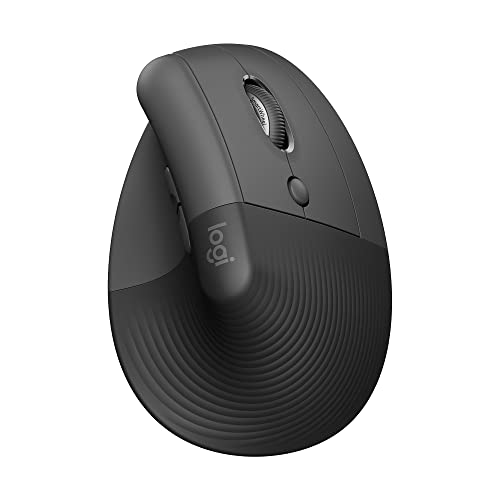
The Logitech Lift Vertical Ergonomic Mouse is perfect for those with small to medium right hands, ensuring a comfortable grip during long hours of work. Its 57-degree angle promotes a natural forearm posture, reducing strain and enhancing your productivity. With a softly textured grip and snug thumb rest, you’ll enjoy all-day comfort. Plus, the whisper-quiet clicks help you maintain focus, making it ideal for busy work environments. Featuring four customizable buttons and SmartWheel technology, you can easily access functions and enjoy smooth scrolling. Whether you’re on Windows, macOS, or an iPad, this mouse elevates your desk work experience.
Best For: Those with small to medium right hands seeking an ergonomic solution for comfortable desk work.
Pros:
- Promotes natural forearm posture, reducing strain during long hours.
- Features customizable buttons for personalized functionality.
- Whisper-quiet clicks enhance focus in busy environments.
Cons:
- Designed specifically for right-handed users, limiting accessibility for left-handed individuals.
- May take time to adjust for users unfamiliar with vertical mice.
- Limited compatibility with certain older operating systems or devices.
ProtoArc Ergonomic Bluetooth Vertical Mouse (EM11 NL)

For those seeking a comfortable and ergonomic solution, the ProtoArc Ergonomic Bluetooth Vertical Mouse (EM11 NL) stands out with its vertical design that promotes natural wrist alignment. It connects via Bluetooth or 2.4G USB, allowing you to switch between up to three devices effortlessly. With adjustable DPI settings of 1000, 1600, and 2400, you’ll enjoy precision tracking. Weighing just 8.8 ounces, it’s lightweight and fits small to medium hands perfectly. Users praise its silent clicks and impressive battery life, although some find it challenging to control. Overall, it’s a solid choice for enhancing your comfort and productivity.
Best For: Individuals with small to medium hands seeking a comfortable and ergonomic mouse that promotes natural wrist alignment.
Pros:
- Ergonomic vertical design reduces wrist strain and promotes comfort during extended use.
- Adjustable DPI settings (1000/1600/2400) provide precision tracking for various tasks.
- Dual connectivity options (Bluetooth and 2.4G USB) allow seamless switching between up to three devices.
Cons:
- Some users with small hands may find it difficult to control effectively.
- Cursor precision issues have been reported by a few users.
- Back and forward buttons are not programmable on Mac OS, limiting functionality.
TECKNET Ergonomic Vertical Wireless Mouse – 4800 DPI

Looking for a mouse that prioritizes comfort during long hours at your desk? The TECKNET Ergonomic Vertical Wireless Mouse is designed to reduce arm and wrist stress, making it a great choice for extended use. With five adjustable DPI settings up to 4800, you’ll experience precise control and smooth tracking. Plus, its silent operation means you won’t disturb anyone while working. It connects easily via a plug-and-play 2.4G receiver, compatible with various systems. Energy-efficient, it enters sleep mode after inactivity, ensuring longer battery life. Just grab two AAA batteries, and you’re ready to enhance your productivity!
Best For: Individuals seeking a comfortable and efficient mouse for extended periods of use, particularly in office or home environments.
Pros:
- Ergonomic design reduces arm and wrist stress, enhancing comfort during long hours.
- Five adjustable DPI settings provide precision and smooth tracking tailored to your needs.
- Silent operation minimizes clicking noise, making it ideal for quiet workspaces.
Cons:
- Requires two AAA batteries, which are not included with the product.
- Not compatible with Mac systems, limiting usage for Mac users.
- Adaptation period of 3-7 days may be necessary for optimal comfort.
TECKNET Wireless Bluetooth Vertical Mouse

Designed specifically for right-handed users, the TECKNET Wireless Bluetooth Vertical Mouse stands out with its ergonomic vertical design that promotes a healthier hand position. It features 4800 DPI optical tracking with six adjustable levels, ensuring precise control. With six buttons, including silent left and right clicks, you can work without disturbing others. Its impressive battery life lasts up to 12 months, although it requires two AAA batteries. You can connect to three devices simultaneously, making multitasking easy. Users rave about improved comfort and reduced wrist strain, making it a top choice for prolonged use. Enjoy enhanced productivity with this reliable mouse!
Best For: Those seeking an ergonomic mouse designed for right-handed users to alleviate wrist strain during prolonged computer use.
Pros:
- Ergonomic Design: Promotes a healthier hand position, reducing wrist strain and improving comfort.
- Long Battery Life: Lasts up to 12 months on just two AAA batteries, minimizing the need for frequent replacements.
- Multi-Device Connectivity: Can connect to three devices simultaneously, enhancing multitasking efficiency.
Cons:
- Compatibility Issues: Side buttons may not work with macOS, limiting functionality for Mac users.
- Mouse Wheel Durability: Some users report concerns regarding the durability of the mouse wheel.
- Button Configuration Software: Limited options for customizing button configurations may not meet all users’ preferences.
Logitech MX Vertical Wireless Mouse

The Logitech MX Vertical Wireless Mouse is an ideal choice for anyone seeking to enhance their ergonomic setup, especially if you have medium to large right hands. Its 57° vertical angle promotes a natural handshake position, reducing muscle activity by 10%. With advanced optical tracking and a 4000 DPI sensor, you’ll enjoy 4x less hand movement, cutting down on fatigue. The textured rubber surface provides a comfortable grip, while multi-device connectivity lets you switch between three computers effortlessly. Plus, its environmentally friendly packaging shows Logitech’s commitment to sustainability, making this mouse a smart choice for both you and the planet.
Best For: Individuals with medium to large right hands seeking an ergonomic mouse to reduce muscle strain and enhance productivity.
Pros:
- Advanced optical tracking with a 4000 DPI sensor reduces hand movement and fatigue.
- Natural handshake position promotes better wrist posture and comfort.
- Multi-device connectivity allows seamless switching between three computers.
Cons:
- Designed specifically for right-handed users, limiting options for left-handed individuals.
- The unique vertical design may require an adjustment period for new users.
- Higher price point compared to standard mice may not fit all budgets.
memzuoix Ergonomic Wireless Mouse for Right Hand

For those seeking comfort and relief from wrist strain, the memzuoix Ergonomic Wireless Mouse is an excellent choice. This vertical mouse, designed specifically for right-handed users, promotes a natural hand position, effectively reducing strain during long hours of use. With adjustable DPI settings of 800, 1200, and 1600, you can customize sensitivity for your tasks. The textured rubber grip and matte finish enhance comfort, while its lightweight design makes it perfect for on-the-go use. Although some users report issues with cursor lag, many appreciate its ability to alleviate wrist pain and improve productivity.
Best For: Those seeking an ergonomic solution to wrist strain, particularly right-handed users who spend long hours using a mouse.
Pros:
- Promotes natural hand positioning, reducing strain and discomfort during extended use.
- Adjustable DPI settings (800/1200/1600) allow for customized sensitivity and precision.
- Lightweight and portable design makes it suitable for various environments, including office and travel.
Cons:
- Some users report cursor lag, which may affect performance.
- Dependency on batteries, as the mouse is not rechargeable.
- Durability concerns noted by users after prolonged use.
LEKVEY Vertical Wireless Mouse – Ergonomic Design

Experience unparalleled comfort with the LEKVEY Vertical Wireless Mouse, specifically crafted for those who spend long hours at their computers and struggle with wrist pain. Its ergonomic design promotes a neutral handshake position, considerably reducing strain. With adjustable DPI settings of 800, 1200, and 1600, you can customize sensitivity to suit your needs. Weighing just 3.36 ounces, it’s lightweight yet sturdy, perfect for medium to large hands. Plus, the rechargeable battery lasts up to 150 hours on a single charge, ensuring you’re always ready to work. Enjoy seamless functionality with six buttons and a plug-and-play setup for effortless use.
Best For: Individuals who experience wrist discomfort during prolonged computer use and require an ergonomic solution.
Pros:
- Ergonomic Design: Promotes a neutral wrist position, reducing strain and discomfort.
- Long Battery Life: Rechargeable battery lasts up to 150 hours on a single charge.
- Customizable Sensitivity: Three adjustable DPI levels allow for personalized cursor control.
Cons:
- Scrolling Glitches: Some users report occasional issues with scrolling functionality.
- Responsiveness Problems: A few users experience decreased responsiveness after extended use.
- Size Limitation: Primarily recommended for medium to large hands, may not be suitable for smaller hands.
PHILIPS Ergonomic Vertical Mouse with Adjustable DPI

Ideal for users with small to medium hands, the PHILIPS Ergonomic Vertical Mouse offers a comfortable grip thanks to its 57° vertical design. This mouse reduces wrist fatigue, allowing you to work for hours without discomfort. With adjustable DPI settings of 800, 1200, and 1600, you can quickly switch between precision tasks and fast-paced gaming. The six silent buttons guarantee you won’t disturb others while working late. Its 2.4GHz wireless technology provides reliable performance, and it’s lightweight, making it easy to carry. Plus, the auto power-saving feature helps prolong battery life, so you stay productive longer.
Best For: Users with small to medium hands looking for a comfortable and ergonomic mouse to reduce wrist fatigue during long hours of work or gaming.
Pros:
- Ergonomic Design: The 57° vertical angle promotes a natural hand position, minimizing wrist strain.
- Adjustable DPI Settings: Easily switch between 800, 1200, and 1600 DPI for various tasks and preferences.
- Silent Operation: Features six silent buttons, making it ideal for quiet work environments.
Cons:
- Latency Issues: Some users have reported occasional latency problems during use.
- Limited Size Range: Best suited for small to medium hands, which may not accommodate larger hand sizes comfortably.
- Battery Dependency: Requires a battery for operation, which may need to be replaced periodically.
Anker Ergonomic Optical USB Wired Vertical Mouse
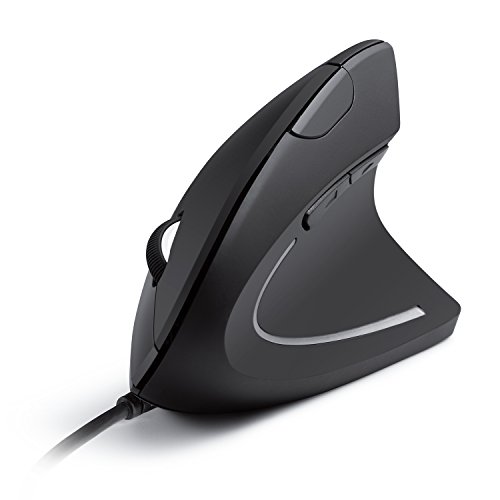
The Anker Ergonomic Optical USB Wired Vertical Mouse is a game-changer for anyone seeking relief from wrist strain during long hours at the computer. Its scientifically designed shape promotes a neutral handshake position, ensuring comfort and reducing fatigue. Weighing just 5.3 oz and measuring 120*62.8*74.8 mm, it’s lightweight and perfect for extended use. With 1000/1600 DPI optical tracking, you’ll experience smooth and precise navigation across various surfaces. The mouse also features next/previous buttons, making web browsing effortless. Plus, it comes with an 18-month warranty and lifetime technical support, ensuring you have peace of mind with your purchase.
Best For: Individuals who spend long hours on the computer and seek comfort and relief from wrist strain.
Pros:
- Scientifically designed for a neutral handshake position, enhancing comfort and reducing fatigue.
- 1000/1600 DPI optical tracking ensures smooth and precise navigation on various surfaces.
- Includes next/previous buttons for easy web browsing and navigation.
Cons:
- Wired connection may limit mobility compared to wireless options.
- May require an adjustment period for those used to traditional mouse shapes.
- The size may not be suitable for users with very small hands.
seenda Ergonomic Vertical Wireless Mouse (MOU-302)

For those seeking relief from wrist strain during long hours at the computer, the seenda Ergonomic Vertical Wireless Mouse (MOU-302) stands out as an excellent choice. Its vertical design promotes a natural hand posture, reducing pressure on your wrist. Weighing just 5.9 ounces, it’s comfortable for various hand sizes. With a built-in rechargeable battery lasting up to two months, you won’t have to worry about constant charging. Plus, it connects to three devices using Bluetooth or USB, making device switching effortless. Users rave about its silent clicks and convenient thumb buttons, enhancing your productivity without distractions.
Best For: Those who experience wrist discomfort and are looking for an ergonomic solution for extended computer use.
Pros:
- Comfortable design that promotes a natural hand posture, reducing wrist strain.
- Long battery life of up to two months on a single charge, with easy Type C charging.
- Versatile connectivity options allowing connection to multiple devices via Bluetooth and USB.
Cons:
- Some users may find the mouse too lightweight and prefer a heavier feel.
- Adjustment period may be required for those switching from traditional mice.
- Non-programmable buttons may limit customization options for advanced users.
Factors to Consider When Choosing Vertical Mice for PC Ergonomics
When selecting a vertical mouse, you should consider several key factors to guarantee it fits your needs. Think about hand size compatibility, ergonomic design features, and DPI sensitivity settings, as these can greatly affect your comfort and productivity. Additionally, look at wireless connectivity options and button customization capabilities to enhance your overall experience.
Hand Size Compatibility
Choosing the right vertical mouse hinges on hand size compatibility, as finding a model that fits your hand is vital for comfort and usability. Many vertical mice cater to specific hand sizes, offering options for small to medium and medium to large hands. A well-fitted mouse promotes natural wrist alignment, enhancing ergonomic benefits and reducing strain. Before making a selection, measure your hand dimensions to guarantee it accommodates your grip style. Some models target smaller hands, while others suit larger ones, impacting your overall experience. Misalignment from incompatible sizes can lead to discomfort and repetitive strain injuries, so it’s essential to choose a vertical mouse that matches your individual hand measurements for peak comfort.
Ergonomic Design Features
To guarantee maximum comfort and efficiency, it’s essential to take into account various ergonomic design features when selecting a vertical mouse. Look for one that promotes a natural handshake position, typically at a 57-degree angle, which helps reduce wrist strain during extended use. A soft textured grip and snug thumb rest can enhance comfort and support, making long sessions more enjoyable. Customizable buttons allow you to tailor functionalities to your needs, improving efficiency and minimizing repetitive strain. Keep in mind that adapting to a vertical mouse usually comes with a learning curve of about 1-3 weeks, as you adjust to the new grip style. These features will ultimately contribute to a healthier and more productive computing experience.
DPI Sensitivity Settings
Finding the right ergonomic vertical mouse goes beyond just its design features; DPI sensitivity settings play a significant role in enhancing your overall experience. DPI, or dots per inch, determines how sensitive your mouse is to movement, affecting cursor speed and precision. Higher DPI settings let you navigate quickly, which is great for fast-paced tasks, while lower settings offer better control for detailed work. Many vertical mice come with adjustable DPI settings, usually ranging from 800 to 2400 DPI or more, allowing you to customize sensitivity based on your needs. Additionally, a cursor speed switch lets you adjust DPI on-the-fly, making it easier to switch between tasks like gaming and graphic design. This flexibility can help reduce wrist strain and improve comfort.
Wireless Connectivity Options
When selecting a wireless vertical mouse, you’ll want to contemplate the various connectivity options that enhance your productivity and comfort. Most wireless vertical mice offer dual connectivity, allowing you to choose between Bluetooth and 2.4GHz wireless. This flexibility lets you easily pair with multiple devices. Many models can connect to up to three devices simultaneously, enabling seamless switching between your computer and tablet without the hassle of re-pairing. Look for mice featuring Bluetooth 5.0 for improved range and stability, ensuring a reliable connection. Consider whether you prefer rechargeable batteries, which can last several months on a single charge, or disposable ones. Ergonomic models often include power-saving features like automatic sleep mode to conserve battery life.
Button Customization Capabilities
Customizing buttons on your vertical mouse can greatly boost your productivity and comfort. By assigning frequently used functions or shortcuts to easily accessible buttons, you can reduce repetitive hand movements that often lead to strain. Many ergonomic vertical mice offer four to six customizable buttons, allowing you to tailor your setup for specific tasks like navigation or media control. Some models even come with software that lets you program button functions, adjust sensitivity settings, and manage DPI levels to suit your preferences. This level of customization is particularly beneficial if you have specific ergonomic needs, as it helps minimize strain by keeping essential functions within easy reach, ultimately enhancing your workflow efficiency and overall comfort.
Battery Life Considerations
Battery life is an essential consideration in your search for the ideal vertical mouse, as it directly impacts your daily computing experience. Some models boast rechargeable batteries lasting up to 150 hours per charge, while others might require frequent battery changes, affecting long-term usability. Look for energy-efficient designs that enter sleep mode during inactivity, which can enhance performance over extended use. Many rechargeable options offer Type-C charging, enabling quicker recharging and reducing reliance on disposable batteries. If you prefer a wired mouse, you’ll eliminate battery dependency altogether. Just remember that mice with advanced features, like programmable buttons or high DPI settings, may consume more power, so weigh battery life against the functionalities you need.
Weight and Balance
Choosing the right weight and balance for a vertical mouse is essential for your comfort and performance during long hours of use. A mouse weighing between 3 to 5 ounces typically strikes a good balance, offering manageable maneuverability while providing a stable feel in your hand. Lighter models allow for easy movement but may sacrifice stability and precision. If you prefer a heavier mouse, it could enhance control, but keep in mind that it might require more effort to lift, leading to fatigue. Aim for a well-balanced design that evenly distributes its weight, ensuring a comfortable grip without straining your wrist or fingers. Ultimately, consider your personal preferences to find the ideal weight and balance for your needs.
Price and Value
Finding the right vertical mouse isn’t just about weight and balance; price and value play significant roles too. Vertical mice typically range from $20 to $100, with pricier models offering customizable buttons and higher DPI settings. While you might hesitate at the higher price, remember that these often come with ergonomic designs tested by professionals, enhancing comfort and reducing strain. Investing in a quality vertical mouse can save you money in the long run by potentially lowering medical costs linked to repetitive strain injuries. Additionally, check the warranty period—many offer 1 to 3 years of coverage. User ratings and reviews can also guide you, as higher-rated models usually justify their price through improved comfort and functionality.