Commuting by bike is easier when your navigation is fast, clear, and dependable. The best bike computers do more than show a map—they help you stay on time, avoid wrong turns, and ride with less stress.
Below, we’ve narrowed down 10 strong options for everyday riders, from simple route guides to feature-rich GPS computers built for longer city commutes.
Best 10 Bike Navigation Computers for Commuters Picks for 2026
Premium Button-Control Navigation
Garmin Edge 540 Compact GPS Cycling Computer

- Multi-band GNSS improves positioning in tough areas
- Up to 26 hours of battery life, 42 in saver mode
- Ride-type maps and ClimbPro support route planning
Best For: commuters who want advanced navigation plus training insights
Simple Route-Following Pick

- Easy turn-by-turn navigation for daily commuting
- Fast rerouting helps recover after missed turns
- Compass mode keeps the interface clean and simple
Best For: commuters who want a clean, easy-to-read navigation device
Touchscreen Navigation Upgrade
Garmin Edge 840 Compact GPS Cycling Computer
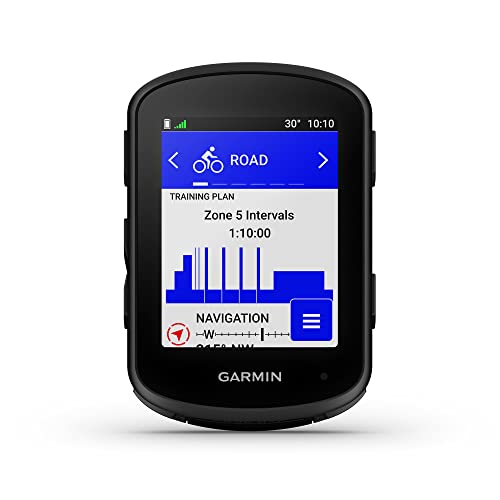
- Touchscreen and buttons offer flexible control
- Multi-band GNSS improves route accuracy
- Up to 32 hours in battery saver mode
Best For: commuters who want a touchscreen GPS computer with advanced navigation
Big Screen Voice Navigation
iGPSPORT BSC500 GPS Bike Computer

- 3.3-inch touchscreen is easy to read at a glance
- Voice alerts reduce the need to stare at the screen
- Supports route imports from apps like Strava and Komoot
Best For: commuters who want a large-screen GPS computer with voice navigation
Commuter-Friendly GPS Navigator
Garmin Edge Explore 2, Easy-to-Use GPS Cycling Navigator

- 3" touchscreen is glove- and rain-friendly
- Preloaded profiles make setup quick
- Shows high-traffic roads, POIs, and ride-type maps
Best For: Commuters who want simple navigation and eBike-aware guidance
Budget Route-Nav Pick
iGPSPORT BSC200S GPS Bike Computer

- Import routes from Strava, Ride with GPS, and Komoot
- One-touch navigation and back-to-start support
- Up to 25 hours battery life with USB-C charging
Best For: Affordability-focused commuters who want route import and long runtime
Long-Range Color Navigator
Bryton Rider 650 GPS Bike Computer

- 2.8" color touchscreen with ambient light sensor
- 33-hour battery life for long commuting use
- Preloaded maps with turn-by-turn guidance and POIs
Best For: Daily riders who want a bright screen and excellent battery endurance
Compact commute navigator
GEOID CC600 Color Screen GPS Bike Computer

- 2.4-inch color screen with Asahi glass
- Turn reminders plus automatic rerouting
- WiFi, Bluetooth, and ANT+ support
Best For: commuters who want compact route guidance and fast wireless syncing
Touchscreen map navigator
GEOID CC700 Pro 2.8-inch GPS Bike Computer

- 2.8-inch touchscreen with 3-button control
- Offline map downloads with 4GB storage
- Re-route planning plus WiFi auto-sync
Best For: commuters who want a large touchscreen with map navigation and rerouting
Balanced commute navigator
GEOID CC700 2.8-inch Color GPS Bike Computer

- 2.8-inch color screen with Asahi glass
- Turn reminders and automatic rerouting
- WiFi, Bluetooth, and ANT+ support
Best For: commuters who want a balanced color-screen navigator with flexible data pages
Premium Button-Control Navigation – Garmin Edge 540 Compact GPS Cycling Computer
If you want bike navigation computers for commuters that also double as serious training tools, the Garmin Edge 540 is built for riders who value precise routing, long battery life, and dependable button controls. Its multi-band GNSS, ride-type maps, and climb features make it a strong fit for daily commuting as well as longer city-to-suburb rides.
Best For: commuters who want advanced navigation plus training insights in a compact, button-controlled unit
Pros:
- Multi-band GNSS for improved positioning accuracy in challenging environments
- Up to 26 hours of battery life, or up to 42 hours in battery saver mode
- Ride-type-specific maps with searchable points of interest
- ClimbPro, stamina insights, and adaptive coaching features for performance-focused riders
Cons:
- No touchscreen, so all interaction is through buttons
- Many advanced training features depend on compatible power meter and heart rate monitor pairing
- Smaller 2.6-inch display may feel less spacious than larger-screen options
The Edge 540 stands out when you want commuter-friendly navigation without sacrificing training depth. It is best suited to riders who prefer physical controls and want a durable GPS computer that can handle both everyday routes and more demanding rides.
Simple Route-Following Pick – Beeline Velo 2 Bike Computer
For bike navigation computers for commuters who want straightforward guidance instead of a complex map-heavy interface, the Beeline Velo 2 keeps things simple. It focuses on intuitive route navigation, quick rerouting, and clear handlebar-mounted directions that are easy to follow on daily rides.
Best For: commuters who want a clean, easy-to-read navigation device with simple routing
Pros:
- Intuitive turn-by-turn navigation designed to be easy to follow
- Fast rerouting helps you get back on track quickly
- Compass mode offers a simple arrow-style route experience
- Works with a free iOS and Android companion app for planning and tracking
Cons:
- Less feature-heavy than more advanced GPS cycling computers
- Navigation is intentionally minimal, so it may not suit riders wanting detailed maps
- Depends on the companion app for route planning and ride tracking features
The Velo 2 is a practical option if you mainly want to reach your destination without extra setup or screen clutter. Its simplicity is its strength, especially for commuters who prefer easy directions over deep performance metrics.
Touchscreen Navigation Upgrade – Garmin Edge 840 Compact GPS Cycling Computer
If you want bike navigation computers for commuters with a more flexible interface, the Garmin Edge 840 adds touchscreen control alongside buttons. It combines advanced navigation, multi-band GNSS, and ride planning features in a compact format that works well for everyday routes and longer rides.
Best For: commuters who want a touchscreen GPS computer with advanced navigation and planning tools
Pros:
- Touchscreen plus button control for flexible operation
- Multi-band GNSS for enhanced positioning accuracy
- Up to 26 hours of battery life, or up to 32 hours in battery saver mode
- Ride-type maps, ClimbPro, and smart training prompts for more than just basic navigation
Cons:
- More expensive and feature-rich than simpler commuter-focused units
- Some of the training tools depend on compatible sensors and accessories
- Small 2.6-inch display may feel limited for users who want a larger screen
The Edge 840 is a strong choice if you want commuter navigation with premium Garmin features and the convenience of a touchscreen. It suits riders who split time between practical daily use and performance-oriented cycling.
Big Screen Voice Navigation – iGPSPORT BSC500 GPS Bike Computer
Among bike navigation computers for commuters, the iGPSPORT BSC500 is appealing if you want a larger screen, voice prompts, and broad route support. Its 3.3-inch touchscreen, dual-band positioning, and route import options make it a useful pick for riders who want navigation they can read quickly while moving.
Best For: commuters who want a large-screen GPS computer with voice navigation and route importing
Pros:
- 3.3-inch touchscreen with both touchscreen and button operation
- Dual-band positioning with support for multiple satellite systems
- Voice navigation helps reduce screen glancing on the road
- Route import support for the iGPSPORT app, Strava, Komoot, and file imports
Cons:
- Battery life is listed at 25 hours, which is solid but not class-leading
- Some riders may prefer the more established ecosystem of larger brands
- Feature depth may feel more specialized toward navigation and training than all-purpose smart connectivity
The BSC500 is a practical commuter-friendly option if screen readability matters most. With voice alerts and easy route transfer, it aims to make navigation less distracting and more convenient for everyday rides.
Commuter-Friendly GPS Navigator – Garmin Edge Explore 2, Easy-to-Use GPS Cycling Navigator
For bike navigation computers for commuters, the Garmin Edge Explore 2 is a straightforward pick if you want clear maps, simple setup, and dependable guidance for everyday rides. Its 3″ touchscreen is glove- and rain-friendly, easy to read in bright sun, and it comes with preloaded activity profiles so you can get rolling quickly.
Best For: Commuters who want an easy-to-use navigation computer with route guidance, safety awareness, and eBike support.
Pros:
- 3″ high-resolution touchscreen that works in glove and rain conditions
- Preloaded road, off-road, and indoor activity profiles for fast setup
- Ride-type maps, searchable POIs, and high-traffic road visibility
- LiveTrack, GroupTrack, smart notifications, and incident detection when paired with a phone
Cons:
- Compatible sensors and Varia awareness devices are sold separately
- eBike navigation features require a compatible eBike connection
- Touchscreen-focused design may not suit riders who prefer button controls
Overall, this model fits commuters who value simplicity and on-bike awareness more than advanced training features. It balances turn-by-turn practicality with useful connected features, making it a solid daily ride companion.
Budget Route-Nav Pick – iGPSPORT BSC200S GPS Bike Computer
Among bike navigation computers for commuters, the iGPSPORT BSC200S stands out for route planning flexibility and practical everyday features. You can create routes in the app or import from platforms like Strava, Ride with GPS, and Komoot, then use one-touch navigation to start your ride faster.
Best For: Riders who want an affordable navigation computer with app-based route import, smart alerts, and long battery life.
Pros:
- Route creation plus third-party imports from Strava, Ride with GPS, and Komoot
- One-touch navigation, back-to-start, and riding-record navigation
- Smart notifications for calls, SMS, and some app alerts
- Up to 25 hours of battery life with USB-C charging
Cons:
- 2.4″ screen is smaller than some rivals
- Advanced accessory support is limited to compatible iGPSPORT lights and radar
- Feature set is practical rather than premium
This is a sensible commuter option if you want navigation, notifications, and endurance without paying for top-tier extras. It covers the core needs well and adds useful route flexibility for riders who switch between apps and saved trips.
Long-Range Color Navigator – Bryton Rider 650 GPS Bike Computer
If you want bike navigation computers for commuters with a bigger screen and long battery life, the Bryton Rider 650 is built to keep daily riding simple. Its 2.8″ color touchscreen, ambient light sensor, and preloaded USA maps make it easier to follow routes in changing light and unfamiliar streets.
Best For: Commuters who want a bright touchscreen navigator with strong battery life and full-color mapping.
Pros:
- 2.8″ color touchscreen with ambient light sensor for visibility
- 33-hour battery life suits long commutes and multi-day use
- Preloaded OSM maps with turn-by-turn guidance, street names, and POIs
- Supports Live Tracking, rear-view radar, and ANT+ sensors
Cons:
- Touchscreen interface may not appeal to riders who prefer physical buttons
- Advanced features like electronic shifting support may be unnecessary for basic commuters
- Some safety and sensor capabilities depend on compatible accessories
The Rider 650 is a strong fit for commuters who want a more phone-like display without relying on a phone for navigation. Its battery endurance and map detail make it especially practical for riders with longer daily routes.
Compact commute navigator – GEOID CC600 Color Screen GPS Bike Computer
If you want bike navigation computers for commuters that keep directions easy to read and records simple to manage, the GEOID CC600 is built around a bright 2.4-inch color screen, turn reminders, and automatic rerouting when you go off track. It also supports GPX imports through the phone app, WiFi syncing, and fast 5-second GPS positioning, which helps make everyday commuting smoother.
Best For: Commuters who want a compact navigation computer with colorful route guidance, quick positioning, and easy wireless syncing.
Pros:
- 2.4-inch colorful display with durable Asahi glass and a simple three-button layout
- Turn reminders, zooming prompts, and automatic rerouting for route guidance
- WiFi and Bluetooth support for syncing records, AGNSS, and firmware updates
- Supports up to 10 data pages and 108 data items for flexible ride screens
Cons:
- Navigation features depend on app-based GPX upload and setup
- Smaller screen than the 2.8-inch models in this lineup
- Indoor training features are useful, but the main strength is route navigation
The CC600 is a practical pick if you want a commuter-focused unit that balances navigation clarity, wireless convenience, and customizable ride data. It is especially appealing for riders who value a smaller computer without giving up reroute support or broad sensor compatibility.
Touchscreen map navigator – GEOID CC700 Pro 2.8-inch GPS Bike Computer
For bike navigation computers for commuters who want a bigger display and map-based guidance, the GEOID CC700 Pro adds a 2.8-inch color touchscreen, offline map downloads, and color-coded navigation cues. It also includes re-route planning, WiFi auto-sync, and ANT+/Bluetooth support, making it a strong option for riders who want more screen space and easier route following.
Best For: Commuters who want a large touchscreen navigation computer with map views, rerouting, and wireless syncing.
Pros:
- 2.8-inch touchscreen plus 3-button control for easier operation while riding
- Offline map support with 4GB storage and color-coded route navigation
- Re-route planning helps recalculate the path after going off course
- WiFi auto-sync, firmware updates, and FIT export through the app
Cons:
- Re-route planning requires connection to the designated app
- More features may be more than casual riders need for short trips
- DJI camera control is limited to specific Action 4 and Action 5 Pro models
The CC700 Pro is the most map-oriented choice here, and its larger touchscreen makes route details easier to follow in commute traffic. If you want navigation-first features with broad connectivity and offline map support, it stands out well.
Balanced commute navigator – GEOID CC700 2.8-inch Color GPS Bike Computer
If you are comparing bike navigation computers for commuters, the GEOID CC700 offers a straightforward mix of route guidance, wireless syncing, and customizable data pages in a 2.8-inch color screen format. It supports GPX uploads through the phone app, automatic rerouting when you miss a turn, and fast 5-second GPS positioning, making it a practical everyday commuting tool.
Best For: Commuters who want a simple color-screen navigation computer with reroute support and broad ride data options.
Pros:
- 2.8-inch color screen with durable Asahi glass and a simple three-button design
- Color route navigation with turn reminders and automatic rerouting
- WiFi and Bluetooth sync for AGNSS, records, and firmware updates
- Up to 10 data pages, 29 layouts, and 108 supported data items
Cons:
- Navigation relies on app-based GPX uploads for route planning
- Buttons-only control may feel less direct than the Pro touchscreen version
- Indoor training is included, but it is not the main selling point
The CC700 is a solid middle-ground pick if you want the larger screen and navigation tools without moving up to the touchscreen Pro model. It is especially appealing for commuters who value flexibility in data display and a familiar button-controlled interface.
How We Picked These Bike Navigation Computers for Commuters
We focused on devices that make practical sense for daily riding: accurate GPS, easy route loading, readable screens in changing light, reliable rerouting, and useful battery life. We also favored models with commuter-friendly features like turn-by-turn guidance, wireless syncing, waterproofing, and compatibility with common sensors and accessories.
Quick Comparison
For simple point-to-point navigation, lighter options like the Beeline Velo 2 are appealing. If you want a more traditional mapping experience, Garmin, Bryton, and iGPSPORT models offer fuller screens and deeper training or routing tools. GEOID devices can be strong value picks if you want route navigation and wireless convenience without paying premium-brand prices.
Key Buying Factors for Bike Navigation Computers for Commuters
Navigation Style
Some commuters want a minimalist compass-style cue system, while others prefer full maps with turn-by-turn prompts and rerouting. Choose the style that matches how complex your route usually is.
Display Readability
A bright, legible screen matters in traffic and changing weather. Touchscreens can be convenient, but physical-button operation may be easier with gloves or rain.
Battery Life
If you commute daily, battery endurance should comfortably cover round trips and occasional detours. Longer life is especially useful if you use backlight, maps, or sensors often.
Mounting, Durability, and Connectivity
Look for secure mounts, water resistance, and easy syncing over Bluetooth or Wi-Fi. ANT+ support is helpful if you plan to add cadence, speed, heart rate, or radar accessories later.
Who Should Buy Which Bike Navigation Computers for Commuters?
If you want a simple, low-profile navigation aid, choose a compact rider-focused computer. If you prefer richer mapping and training tools, pick a Garmin or Bryton option. If value matters most, GEOID and iGPSPORT models can deliver strong commuter navigation features at a more accessible price.
For most riders, the best choice comes down to how often you rely on turn-by-turn guidance, whether you ride in unfamiliar areas, and how much screen clarity and battery life you need on a typical workday commute.