If you’re cooling a CPU or custom loop, radiator performance depends on more than raw airflow. The right fan must push air through dense fins without becoming too loud or losing efficiency.
This roundup of the best high static pressure fans for PC radiators highlights strong options for quiet builds, performance systems, and value-focused upgrades.
Best 10 High Static Pressure Fans for PC Radiators Picks for 2026
Industrial-Grade High-Pressure Pick

- Focused Flow frame targets high static pressure.
- 3000 RPM PWM range suits demanding cooling.
- IP52 protection and rugged build improve durability.
Best For: Radiators and heavy-duty cooling setups
Low-Profile Radiator Option

- 15 mm slim design fits tight clearances.
- Pressure-optimized for radiators and heatsinks.
- PWM control spans 200-2100 RPM.
Best For: Small form factor radiator installs
Balanced High-Pressure Performer

- Seven-blade design targets high static pressure.
- Chamfered frame helps concentrated airflow.
- PWM control and FDB support quieter operation.
Best For: AIO coolers and radiator mounts
Max-Output Pressure Choice

- Built for dense radiators and restrictive airflow.
- 600-3000 RPM PWM range adds tuning flexibility.
- FDB bearing and balancing support smooth operation.
Best For: Dense radiators with wide speed control needs
Editor Pick
NZXT F140P 140mm High Static Pressure Fan

- Seven thick blades for radiator-focused pressure
- PWM control adjusts speed for cooling or noise
- Fluid dynamic bearing rated for long life
Best For: 140mm radiator and heatsink builds that need focused airflow
Value Pick
CORSAIR RS120 Daisy-Chain PWM Fan

- 4.15mm-H2O static pressure suits radiators
- Daisy-chain setup simplifies fan wiring
- Up to 2,100 RPM and 72.8 CFM airflow
Best For: Radiator builds that need strong airflow and cleaner cable management
Budget Pack
ARCTIC P12 5-Pack Pressure-Optimised Fan Set

- Pressure-optimised for radiators and heatsinks
- Five-pack offers strong value for multi-fan builds
- Fluid Dynamic Bearing supports quiet, long-life use
Best For: Budget radiator or heatsink setups needing multiple fans
Quiet Pressure Pick
Noctua NF-P12 redux-1700 PWM, 120mm
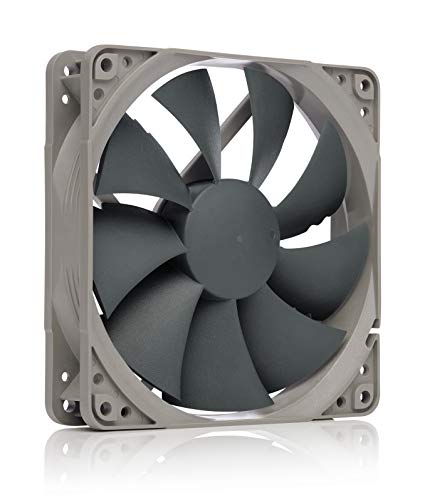
- Pressure-optimized blades for radiators and coolers.
- 4-pin PWM helps manage speed and noise.
- Up to 1700 RPM with a 25.1 dB(A) rating.
Best For: Quiet, proven 120mm radiator cooling
Industrial-Grade High-Pressure Pick – Noctua NF-F12 iPPC 3000 PWM
If you want high static pressure fans for pc radiators that prioritize brute-force airflow, the Noctua NF-F12 iPPC 3000 PWM is built for demanding cooling setups. Its Focused Flow frame and 3000 RPM PWM control are aimed at pushing air through restrictive fins and dense mounting conditions.
Best For: Radiators, heatsinks, and heavy-duty builds that need maximum cooling output.
Pros:
- Focused Flow frame is designed for high static pressure and efficient cooling.
- Wide 750-3000 RPM PWM range gives flexible speed control.
- Heavy-duty construction with IP52 water and dust protection.
- Long 150,000+ hour MTTF and 6-year warranty add confidence.
Cons:
- 43.5 dB(A) max noise is high if you want a quiet PC.
- Industrial-focused design may be more fan than casual builds need.
This is a strong pick when radiator performance matters more than acoustics. If your priority is moving air through resistance, this Noctua model is one of the most aggressive options in the group.
Low-Profile Radiator Option – ARCTIC P12 Slim PWM PST
For high static pressure fans for pc radiators in tight builds, the ARCTIC P12 Slim PWM PST stands out because it keeps the pressure-focused design while shrinking installation height to just 15 mm. That makes it useful when a standard 25 mm fan will not fit but you still need radiator or heatsink airflow.
Best For: Small form factor cases and radiator installs with limited clearance.
Pros:
- Pressure-optimized design is intended for radiators and heatsinks.
- 15 mm slim profile fits cramped spaces where standard fans may not.
- PWM PST control supports a wide 200-2100 RPM speed range.
- Low noise rating makes it appealing for quieter builds.
Cons:
- Lower airflow than larger high-RPM options.
- Not ideal if you want maximum raw cooling above all else.
This fan is best when clearance is the problem and radiator cooling still has to work well. It trades some output for a much easier fit in compact builds.
Balanced High-Pressure Performer – NZXT F120P
If you want high static pressure fans for pc radiators with a more balanced everyday profile, the NZXT F120P is built around seven thick blades and a tight blade-to-frame gap. Those details are specifically aimed at pushing air through radiators and heatsinks while keeping turbulence under control.
Best For: AIO coolers, radiator mounts, and users who want strong airflow without overkill noise.
Pros:
- Seven thick blades are optimized for high static pressure.
- Minimal blade gap and chamfered frame help direct airflow efficiently.
- PWM control adjusts speed based on temperature for practical use.
- Fluid dynamic bearing is rated for low-noise operation and 60,000-hour lifespan.
Cons:
- 30 dB noise may still be noticeable in very quiet systems.
- 2-year warranty is shorter than some rivals in this group.
This is a sensible radiator fan if you want pressure-focused cooling without jumping straight to an industrial model. It looks like a strong middle ground for AIO and heatsink duty.
Max-Output Pressure Choice – ARCTIC P12 Pro PST
When you need high static pressure fans for pc radiators that can also scale up hard, the ARCTIC P12 Pro PST is designed for dense radiators, narrow panels, and mesh-heavy restrictions. Its wide 600-3000 RPM PWM range and improved blade design make it a flexible option for cooling setups that demand both pressure and speed.
Best For: Dense radiators and builds that need a wide tuning range from quiet to very fast.
Pros:
- High static pressure design is intended for restrictive radiator airflow.
- Wide 600-3000 RPM PWM control gives lots of tuning headroom.
- Precision manufacturing and automatic balancing help reduce vibration.
- FDB bearing supports smooth, long-lasting operation.
Cons:
- 3000 RPM top speed may be louder under load.
- Heavy 185 g weight may be more than some builders expect.
This model is a good fit if you want a radiator fan that can stay controlled at low speed but still climb into serious performance territory. It looks especially useful for systems with dense airflow resistance.
Editor Pick – NZXT F140P 140mm High Static Pressure Fan
If you want high static pressure fans for pc radiators with a simple, performance-first design, the NZXT F140P is built for that job. Its seven thick blades, tight blade-to-frame gap, and chamfered frame are all aimed at pushing air through restrictive surfaces like radiators and heatsinks while keeping turbulence in check.
Best For: Users building a radiator or heatsink setup who want a 140mm PWM fan with focused airflow and low-noise operation.
Pros:
- Seven thick blades are optimized for high static pressure on radiators and heatsinks.
- Minimal blade-to-frame gap helps maximize spinning area and reduce turbulence.
- Chamfered frame directs air in a concentrated flow pattern.
- Fluid dynamic bearing supports quiet operation and a 60,000-hour lifespan.
Cons:
- Single fan pack only, so multi-fan builds require additional purchases.
- Rated noise level reaches 30 dB at top speed.
- 140mm size may not fit smaller radiator or case layouts.
This is a straightforward radiator-focused fan with a strong balance of pressure, PWM control, and durability. It makes sense if your priority is concentrated cooling rather than extra features.
Value Pick – CORSAIR RS120 Daisy-Chain PWM Fan
The CORSAIR RS120 is a practical option if you’re shopping for high static pressure fans for pc radiators and want easier cable management. It combines radiator-friendly pressure, up to 2,100 RPM, and daisy-chain connectivity so multiple fans can run from a single 4-pin PWM connection.
Best For: Builders who want a radiator-capable 120mm PWM fan with streamlined wiring and strong airflow.
Pros:
- High static pressure rating of 4.15mm-H2O for pushing through radiator obstruction.
- Daisy-chain design reduces cable clutter and simplifies multi-fan setups.
- Up to 2,100 RPM and 72.8 CFM airflow for strong cooling output.
- Magnetic Dome bearing is designed to minimize noise and friction.
Cons:
- Single-pack purchase is less convenient for full radiator arrays.
- 36 dB noise rating may be noticeable at higher speeds.
- 120mm size may not suit larger 140mm-focused builds.
This fan stands out for balancing radiator performance with easier installation. If you value clean wiring and a strong spec sheet, it’s a solid everyday choice.
Budget Pack – ARCTIC P12 5-Pack Pressure-Optimised Fan Set
If you need high static pressure fans for pc radiators in a multi-fan setup, the ARCTIC P12 5-pack is a budget-friendly route. It is pressure-optimised for radiators and heatsinks, with a design focused on efficient airflow, low noise, and long service life.
Best For: Buyers who want five pressure-optimised 120mm fans for radiator or heatsink installs.
Pros:
- Optimised for static pressure, making it suitable for radiators and heatsinks.
- Five-fan pack is useful for full builds or replacement projects.
- Fluid Dynamic Bearing is designed for quiet operation and longer service life.
- Low noise rating of 0.3 Sone with 1,800 RPM top speed.
Cons:
- 3-pin connection does not offer PWM speed control.
- Static pressure is rated at 2.2 mmH2O, below some higher-pressure rivals.
- Not as feature-rich as newer fans with daisy-chain or advanced airflow guides.
The P12 is best when you want a proven pressure-focused fan in a bulk pack. It trades premium extras for quantity, quiet operation, and radiator suitability.
Quiet Pressure Pick – Noctua NF-P12 redux-1700 PWM, 120mm
If you want high static pressure fans for pc radiators without giving up on noise control, the Noctua NF-P12 redux-1700 PWM is a strong all-around option. Its pressure-optimized blade design is built for radiators, air coolers, and restrictive chassis airflow, while PWM support lets the fan ramp up only when cooling demand increases.
Best For: Builders who want a proven 120mm radiator fan with a quiet profile and reliable PWM control.
Pros:
- Pressure-optimized blades are aimed at radiators and other restrictive cooling setups.
- 4-pin PWM control helps balance performance and noise automatically.
- Rated up to 1700 RPM with a 25.1 dB(A) noise spec.
- Backed by Noctua’s long MTTF rating and 6-year warranty.
Cons:
- 120mm size may not suit larger radiator layouts that prefer 140mm fans.
- Focuses on balance more than extreme top-end airflow.
The NF-P12 redux-1700 PWM makes sense if your priority is dependable radiator cooling with a refined acoustic profile. It’s a practical choice for users who want a high-pressure 120mm fan from a well-known performance line.
High-Flow Multi-Pack – ARCTIC P14 Pro PST 5 Pack
For builders looking at high static pressure fans for pc radiators in a larger 140mm format, the ARCTIC P14 Pro PST 5-pack stands out for both airflow resistance and value. It is designed to push air through dense radiators, perforated panels, and mesh while offering a wide PWM speed range for tuning noise and performance.
Best For: Users who need several 140mm radiator fans with strong pressure and flexible speed control.
Pros:
- High static pressure design is meant for dense radiators and restrictive surfaces.
- Wide PWM range goes up to 2500 RPM, with 0 RPM below 5% PWM.
- Fluid Dynamic Bearing supports quieter, longer-lasting operation.
- Five-pack format is useful for full radiator or case fan builds.
Cons:
- Top speed may be more than some quiet-focused builds need.
- 140mm size won’t fit every radiator or case mount.
This pack is a sensible pick if you need multiple radiator fans and want strong pressure performance without locking yourself into a single speed profile. The combination of PST control, FDB bearing, and dense-surface airflow makes it easy to build a flexible cooling setup.
Radiator-Ready Pressure Fan – ID-COOLING AT-120-K 120mm
The ID-COOLING AT-120-K is built specifically for high static pressure fans for pc radiators, with a claimed 5.04mmHO pressure rating and a blade design aimed at focused airflow. It also adds a zero-RPM stop mode, so it can stay silent at low load and ramp up when the radiator or heatsink needs real cooling.
Best For: Budget-minded users who want a 120mm radiator fan with strong pressure and idle silence.
Pros:
- 5.04mmHO static pressure is explicitly targeted at radiators and high-resistance cooling.
- Zero RPM fan stop helps eliminate noise at idle.
- Dual ball bearing and closed-loop motor are designed for stability and durability.
- Tip ring blade design helps concentrate airflow and reduce diffusion.
Cons:
- 36.5 dB noise rating is higher than quieter premium alternatives.
- Single-fan package only, so multi-fan radiator builds need several units.
Overall, the AT-120-K is a straightforward radiator fan choice for users who care most about pressure and functional cooling behavior. It combines a strong pressure spec with idle stop tech, making it especially appealing for practical PC builds.
How We Picked the Best High Static Pressure Fans for PC Radiators
We focused on fans designed to maintain pressure against radiator resistance, not just open-air airflow numbers. Priority factors included static pressure rating, RPM range, bearing quality, PWM control, noise reputation, size options, and overall value for single-fan and multi-fan setups.
Quick Comparison
For dense radiators, higher static pressure and stronger blade design usually matter more than maximum airflow claims. 120mm fans remain the most universal choice, while 140mm models can deliver similar cooling at lower noise when your case and radiator support them. Slim fans are useful where clearance is tight, but they may trade some peak performance.
Key Buying Factors for High Static Pressure Fans for PC Radiators
Static Pressure Matters Most
Radiators restrict airflow, so choose fans built to overcome that resistance. Look for pressure-optimized blades and avoid selecting a fan based only on CFM.
Size and Thickness
120mm fans are the safest fit for most radiator mounts. 140mm fans can be excellent for large radiators, while slim models help in compact cases or push-pull setups with limited space.
Noise at Real-World Speeds
A fan’s top RPM is less important than how it sounds at the speeds you’ll actually use. PWM control, smooth motor behavior, and good bearings can make a big difference.
Build Quality and Bearing Type
Look for durable bearings and stable frames if the fans will run for long periods. This is especially important for systems that stay under load for gaming, rendering, or workstation use.
Multi-Pack Value and Control Features
If you are outfitting several radiator positions, bundled packs and daisy-chain or PST-style connections can simplify cable management and reduce total cost.
Who Should Buy Which High Static Pressure Fans for PC Radiators?
Pick high-RPM, high-pressure fans if you want maximum cooling on thick radiators or are overclocking. Choose quieter mainstream models if you value lower noise and still want strong thermal performance. Go with 140mm options if your case supports them and you want better noise-to-performance balance. If clearance is tight, slim fans can be the most practical choice, even if they are not the absolute strongest performers.
In short, the best High Static Pressure Fans for PC Radiators are the ones that match your radiator thickness, noise tolerance, and mounting space—not just the highest spec sheet numbers.