Upgrading a desktop with a better wired connection can improve transfer speeds, stability, and low-latency performance for work, gaming, and home labs.
This roundup of PCIe network cards for Linux desktop users focuses on practical choices with solid chipset support, the right port count, and the speed tier that matches your build.
Best 8 Pcie Network Cards for Linux Desktop Picks for 2026
Best Quad-Port Intel I350

- Intel I350 chipset for stable 1GbE networking
- Four RJ45 ports for multi-device or lab setups
- Linux-friendly with broad OS and server support
Best For: Linux desktop users who want four stable Gigabit ports from one PCIe card.
Best for Legacy Linux Support
Broadcom BCM5751 Gigabit PCIe NIC
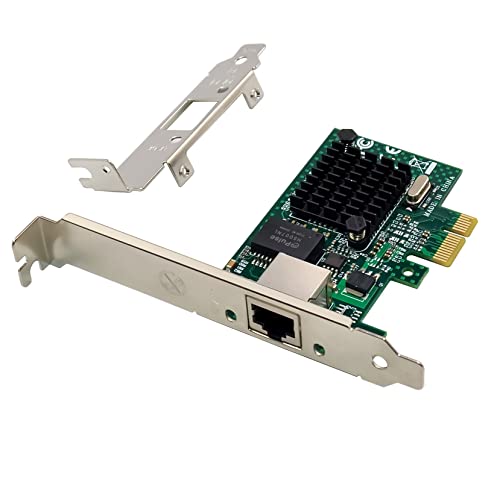
- Broadcom BCM5751 chipset with integrated gigabit transceiver
- Linux support listed for older kernels and enterprise distros
- Half-height bracket included for compact desktop cases
Best For: Linux desktops and legacy systems that need a compatible wired gigabit adapter.
Best 2.5Gb Upgrade

- 2.5GbE speed for faster wired transfers
- Linux-compatible with wide OS support
- Includes low-profile and full-height brackets
Best For: Linux desktop users who want a simple, affordable 2.5GbE network upgrade.
Best Dual-Port Option
H!Fiber 2.5G Realtek RTL8125 Dual RJ45 PCIe NIC

- Dual 2.5GbE RJ45 ports for faster wired networking
- Realtek RTL8125 with Linux-friendly features like VLAN and WOL
- Includes both low-profile and full-height brackets
Best For: Linux desktop or compact server users who want an easy dual-port 2.5GbE upgrade.
Best Driver-Free Pick
PCIe Gigabit Ethernet Card for Win/Linux/Mac

- PCIe x1/x4/x8/x16 compatibility
- Wake on LAN and PXE support
- Win10/11 driver-free with Linux/macOS support
Best For: Budget-minded desktop users who want an easy Gigabit Ethernet upgrade with broad OS compatibility.
Best Dual-Port 10GbE
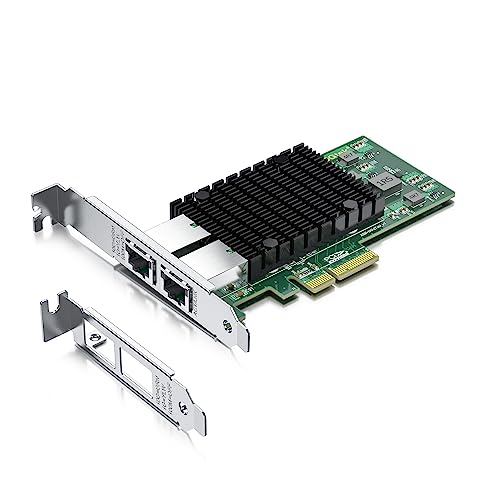
- Intel X550-AT2 controller for stable 10GbE networking
- Dual RJ45 ports with 10G/5G/2.5G/1G support
- Broad Linux compatibility plus Windows and ESXi support
Best For: Linux desktops and homelabs needing dual-port 10GbE over RJ45.
Best Dual-Port 10G Copper
H!Fiber 10Gb PCI-E NIC, Dual RJ45

- Dual RJ45 ports for easy copper network upgrades
- Intel X540-based support for Linux and VMware setups
- Good fit for desktops with existing 10GBase-T cabling
Best For: Linux desktop users who need a dual-port 10GbE copper adapter for fast local networking.
Best for Dual Ports
Dual-Port Intel 82575/82576 Gigabit NIC
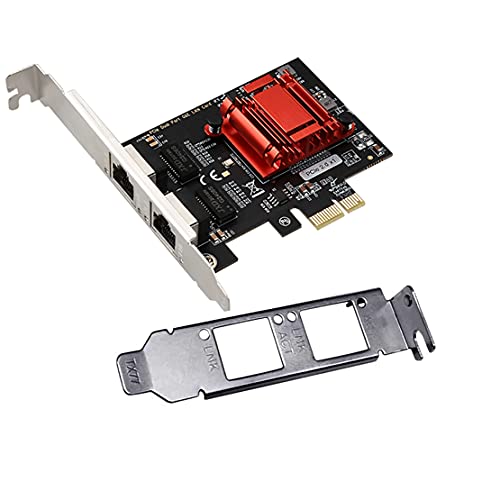
- Two Gigabit ports for multi-network setups
- Wide support across Linux and other OSes
- PXE, WoL, VLAN filtering, and iSCSI boot support
Best For: Linux desktop users who need a dual-port Gigabit expansion card for lab, boot, or routing tasks.
Best Quad-Port Intel I350 – H!Fiber 4-Port Gigabit NIC
If you want one of the more capable pcie network cards for linux desktop use, this H!Fiber quad-port adapter is built around the Intel I350 chip and gives you four reliable 1GbE ports in a single PCIe 2.1 x4 card. It’s a practical pick for desktops that need multiple wired connections, local lab work, or stable networking with broad OS support.
Best For: Linux desktop users, homelab builders, and anyone who needs four dependable Gigabit Ethernet ports from a single PCIe slot.
Pros:
- Intel I350 chipset is known for stable performance and QoS support.
- Quad RJ45 design is useful for multi-network, NAS, or lab setups.
- Wide compatibility with Linux, Windows, VMware ESXi, and server OSs.
- Includes both low-profile and full-height brackets for flexible installs.
Cons:
- More ports than most desktop users need for a basic setup.
- Requires an available PCIe x4-or-larger slot to take full advantage.
For buyers comparing pcie network cards for linux desktop, this model stands out when stability and port count matter more than simplicity. It’s especially appealing if you want a single add-in card that can handle multiple wired tasks without sacrificing compatibility.
Best for Legacy Linux Support – Broadcom BCM5751 Gigabit PCIe NIC
If you need one of the more compatible pcie network cards for linux desktop builds, this Broadcom BCM5751-based adapter is a practical choice. It offers standard 10/100/1000 Mbps gigabit Ethernet, a PCIe v1.0a interface, and broad operating system support that includes older Linux kernels and distros.
Best For: Linux desktops, home servers, and retro or legacy systems that need a straightforward wired gigabit upgrade with Broadcom driver support.
Pros:
- Broadcom NetXtreme BCM5751 chip with integrated gigabit transceiver
- Linux support listed for older kernels and several enterprise distros
- Includes a half-height bracket for compact cases
- Auto MDI/MDI-X helps simplify cable and port matching
Cons:
- Older PCIe v1.0a design may not suit buyers wanting newer hardware
- Not ideal if you need multi-gig speeds or advanced NIC features
This is a sensible pick if your priority is compatibility over cutting-edge specs. Among pcie network cards for linux desktop use, it stands out more for dependable driver support and simple gigabit networking than for performance extras.
Best 2.5Gb Upgrade – TP-Link TX201 2.5Gb PCIe NIC
If you’re comparing pcie network cards for linux desktop use, the TP-Link TX201 is a straightforward way to move from gigabit to 2.5GbE without stepping into pricier multi-port gear. It fits standard PCIe slots, supports Linux, and offers backward compatibility with 1GbE and 100Mb connections, making it a practical upgrade for home labs, NAS-adjacent desktops, and faster local file transfers.
Best For: Linux desktop users who want an affordable 2.5GbE PCIe upgrade with broad OS compatibility.
Pros:
- Up to 2.5Gbps speeds for noticeably faster wired networking than standard gigabit
- Linux support plus compatibility with Windows and Windows Server systems
- Includes both standard and low-profile brackets for more case types
- Wake on LAN and QoS add useful desktop and gaming conveniences
Cons:
- Single-port adapter only, so it won’t suit multi-connection setups
- 2.5GbE gains depend on your router, switch, and cabling
- No advanced management features found on higher-end NICs
For most pcie network cards for linux desktop buyers, the TX201 lands in the sweet spot: fast enough to feel like a real upgrade, simple to install, and backed by broad driver support. It’s a sensible pick if you want 2.5GbE without overspending on enthusiast-focused hardware.
Best Dual-Port Option – H!Fiber 2.5G Realtek RTL8125 Dual RJ45 PCIe NIC
If you want a simple speed bump for a workstation or home server, this H!Fiber card is a practical pick among pcie network cards for linux desktop setups. Its dual 2.5GbE ports, PCIe x1 interface, and Realtek RTL8125 controller make it a flexible upgrade for faster file transfers, NAS access, and everyday wired networking.
Best For: Linux desktop users who want dual-port 2.5GbE networking with broad OS support and easy installation.
Pros:
- Dual RJ45 ports with 2.5Gbps support for faster wired networking
- Realtek RTL8125 chip with Linux compatibility and common features like VLAN, WOL, and Jumbo Frames
- Includes low-profile and full-height brackets for desktop or slim-case installs
- PCIe x1 design fits a wide range of motherboard slots
Cons:
- Driver setup may still require a quick download on some Linux installs
- 2.5GbE is a solid upgrade, but not as fast as 10GbE options
For buyers comparing pcie network cards for linux desktop, this model stands out for offering dual ports and broad OS support without adding much installation complexity. It’s a good middle-ground choice if you want dependable 2.5GbE performance rather than a higher-priced enthusiast card.
Best Driver-Free Pick – PCIe Gigabit Ethernet Card for Win/Linux/Mac
If you want a simple wired upgrade for a desktop or small server, this PCIe Gigabit adapter is a practical choice among pcie network cards for linux desktop. It supports standard PCIe x1/x4/x8/x16 slots, adds Wake on LAN and PXE support, and is aimed at broad compatibility across Windows, Linux, and macOS systems.
Best For: Users who need a low-cost PCIe Ethernet add-in card for a Linux desktop, especially for basic Gigabit networking and remote-wake features.
Pros:
- Supports PCIe x1/x4/x8/x16 slots for flexible installation
- Works with Win10/11 driver-free and includes broader OS support
- Wake on LAN and PXE support add useful remote-management features
- Includes both low-profile and standard brackets plus Cat6 cable
Cons:
- Only fits PCIe slots, not legacy PCI slots
- Older motherboards may not always hit full gigabit speeds
- Linux on non-latest systems may require manual driver setup
As one of the more straightforward pcie network cards for linux desktop use, this model makes sense when you mainly need reliable 1GbE, broad OS compatibility, and an easy physical install rather than advanced networking features.
Best Dual-Port 10GbE – H!Fiber 10Gb RJ45 PCIe NIC
If you want a straightforward upgrade path for pcie network cards for linux desktop, this H!Fiber dual-port 10GbE adapter is a strong fit. Its Intel X550-AT2 controller, RJ45 copper ports, and broad Linux support make it a practical choice for fast storage, lab work, or a workstation that needs reliable wired throughput.
Best For: Linux desktops, homelab systems, and workstations that need dual 10GbE RJ45 connectivity with broad driver support.
Pros:
- Intel X550-AT2-based design with solid compatibility and stable performance
- Dual RJ45 10GbE ports support 10G/5G/2.5G/1G for flexible networking
- Works across many Linux distributions plus Windows and VMware ESXi
- Includes both low-profile and full-height brackets for easier installation
Cons:
- Consumes more power and runs warmer than slower single-port cards
- 10GbE performance depends on Cat6a/Cat7 cabling and a capable switch
- May be overkill if your desktop only needs basic gigabit networking
For buyers comparing pcie network cards for linux desktop use, this model stands out for its mix of Intel-powered reliability and dual-port copper connectivity. It is especially appealing if you want enterprise-style features without moving away from standard RJ45 cabling.
Best Dual-Port 10G Copper – H!Fiber 10Gb PCI-E NIC, Dual RJ45
If you need a straightforward speed upgrade for pcie network cards for linux desktop, this H!Fiber dual-port 10G adapter is built around Intel’s X540-class silicon and uses standard RJ45 copper connectors. It’s a practical fit for desktops and workstations that already have Cat6a/Cat7 cabling and want fast multi-gig networking without moving to fiber.
Best For: Linux desktop users who want a dual-port 10GBase-T card for NAS access, lab work, or fast local transfers.
Pros:
- Dual RJ45 ports make it easy to connect to existing copper network runs.
- Intel X540-based design is widely supported across Linux and virtualization setups.
- PCIe x8 layout is suitable for serious throughput on compatible desktops and servers.
Cons:
- Runs hotter and uses more power than lower-speed NICs.
- 10GBase-T performance depends on quality cabling and switch support.
For buyers comparing pcie network cards for linux desktop, this model stands out for easy copper compatibility and dual-port flexibility rather than small-form-factor efficiency. It’s a solid choice if you want proven 10GbE hardware and already have the rest of the network in place.
Best for Dual Ports – Dual-Port Intel 82575/82576 Gigabit NIC
If you want a straightforward expansion card for pcie network cards for linux desktop, this dual-port Intel-based NIC is a practical pick. It gives you two Gigabit Ethernet ports, broad OS compatibility, and low-profile support, making it useful for desktops that need more wired networking options without a lot of setup fuss.
Best For: Linux desktop users who want a dual-port PCIe Gigabit card for lab work, multi-network setups, or a simple wired upgrade.
Pros:
- Dual Intel 82575/82576 Gigabit ports for flexible networking
- Works with Linux, FreeBSD, Windows, DOS, and more
- Supports PXE, WoL, VLAN filtering, and iSCSI boot
- Low-profile bracket and x1 PCIe compatibility for easier fitment
Cons:
- Gigabit only, so it won’t satisfy 2.5GbE or 10GbE needs
- Driver support can vary by distro and kernel version
- Not ideal if you only need one extra Ethernet port
For buyers comparing pcie network cards for linux desktop, this card stands out more for reliability and dual-port flexibility than raw speed. It makes the most sense when you need stable Intel networking, boot features, and broad OS support in a desktop or small lab build.
How We Picked These Pcie Network Cards for Linux Desktop
We focused on cards that make sense for Linux-first desktop builds: dependable driver support, sensible lane and slot requirements, common RJ45 port types, and speed tiers that fit real-world needs. We also favored models with well-known chipsets and versions that are easier to install, configure, and keep stable over time.
Quick Comparison
For most users, 1Gb cards are the simplest low-cost upgrade, 2.5Gb cards offer the best balance of price and performance, and 10Gb cards are best for NAS access, large media files, or a fast local network. Multi-port adapters are useful for routing, virtualization, or separating traffic, while single-port cards are usually the easiest fit for a normal desktop.
Key Buying Factors for Pcie Network Cards for Linux Desktop
Chipset and Driver Support
Linux compatibility matters more than headline speed. Look for chipsets with mature in-kernel driver support so the card works after installation without extra effort. Broadcom, Intel-based, and Realtek-based cards can all be good choices, but the exact chipset and driver maturity should guide your decision.
Speed and Network Need
Choose speed based on your network gear. A 1Gb card is enough for general browsing and office tasks, while 2.5Gb is a strong upgrade for modern home networks. A 10Gb card only makes sense if your switch, router, NAS, or direct-connect setup can actually use it.
PCIe Slot and Lane Requirements
Check both physical fit and electrical lane needs before buying. Some cards only need a PCIe x1 slot, while others perform best with x4 or x8. Make sure your case, motherboard layout, and nearby expansion cards leave enough room for the adapter and any large heatsink.
Port Count and Use Case
Single-port models are ideal for straightforward desktop upgrades. Dual-port and quad-port cards are better for advanced users who need link aggregation, multiple networks, or lab environments. For most buyers, extra ports are only worth paying for if there is a clear networking task.
Who Should Buy Which Pcie Network Cards for Linux Desktop?
If you want the easiest Linux upgrade, choose a standard 1Gb or 2.5Gb adapter with broad driver support. If you move large files, edit media from a NAS, or want a future-proof desktop connection, a 2.5Gb or 10Gb card is the better investment. Power users, homelab builders, and anyone managing multiple networks should look at dual-port or multi-port Pcie Network Cards for Linux Desktop systems.