Professional underbody inspection cameras help mechanics see behind panels, around engines, and inside confined vehicle spaces without unnecessary disassembly. The right model can make fault-finding faster while providing a clearer view of leaks, corrosion, wiring, and damaged components.
This roundup compares 10 inspection cameras ranging from compact USB borescopes to articulating models with built-in displays, dual lenses, long probes, lighting, and waterproof construction. Use the guide below to match camera design and image quality to your workshop’s needs.
Best 10 Professional Underbody Inspection Cameras Picks for 2026
Best Articulating Control
Teslong Articulating Borescope

- Two-way 210° probe articulation
- 5-foot semi-rigid cable
- 4.5-inch IPS screen with 1080p video
Best For: Mechanics and technicians inspecting tight, complex spaces
Best Compact Professional Option
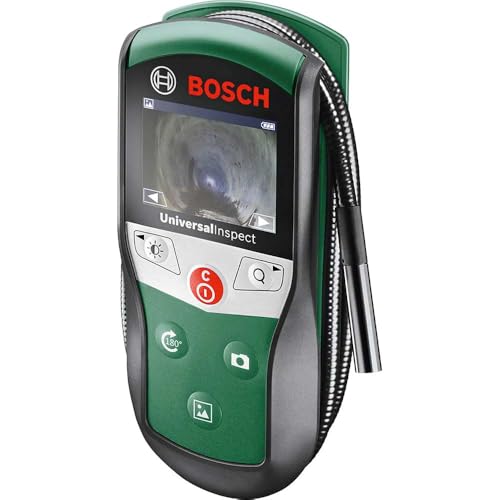
- Compact 0.3 kg design
- IP67 camera head and cable
- Three LED brightness modes
Best For: Routine maintenance and portable visual checks
Best Four-Way Coverage
ROVE RS4 Articulating Borescope

- Four-way 360° probe articulation
- 6.2mm slim, 1.6m semi-rigid probe
- 1080p screen with 32GB card included
Best For: Professional inspectors needing broad directional control
Best Autel-Compatible Camera

- 1920×1080 HD capture
- 39.5-inch semi-rigid cable
- Compatible with listed Autel scanners and PCs
Best For: Autel scanner users adding USB visual inspection
Best Articulation

- 4-way joystick-controlled articulation
- 6-inch 720P IPS display
- IP67, recording, 32GB card, and 6000mAh battery
Best For: Mechanics needing precise viewing angles and onboard inspection records
Best Long-Reach Option
1920P Dual-Lens Endoscope Camera

- 16.4-foot semi-rigid probe
- 1920P dual-lens imaging with adjustable LEDs
- IP67 probe and iOS/Android compatibility
Best For: Long-distance vehicle, pipe, and cavity inspections using a phone
Best Simple Field Setup
Daxiongmao Articulating Borescope

- 210° two-way steerable head
- 4.5-inch IPS screen with six adjustable LEDs
- IP67 protection and included 32GB card
Best For: Straightforward automotive and maintenance inspections without an app
Best Budget Pick
16.5FT 1080P Inspection Borescope

- 1920x1080P live view on a 4.3-inch IPS screen
- 16.6-foot semi-rigid cable for extended reach
- IP67 waterproof with eight adjustable LEDs
Best For: Long-reach live inspections without photo or video storage
Best for Long Inspections

- Front and side lenses switch with one button
- 16.4-foot waterproof semi-rigid probe
- Three-to-four-hour runtime from a 2000mAh battery
Best For: Extended automotive, plumbing, HVAC, and drain inspections
Best Articulating Pick

- 210° two-way articulation with 420° total motion
- 1080P photo and video capture with included 32GB card
- Dual front and side cameras with IP67 waterproofing
Best For: Precise inspections around tight bends with recordable results
Best Articulating Control – Teslong Articulating Borescope
For professional underbody inspection cameras, the Teslong stands out when reaching around bends and into confined spaces matters. Its two-way articulating probe, semi-rigid cable, built-in lighting, and standalone screen support detailed automotive, HVAC, and household inspections without requiring an app.
Best For: Mechanics and technicians who need controlled access through tight, complex inspection areas.
Pros:
- Two-way 210° articulation with a centrally placed joystick.
- 5-foot semi-rigid gooseneck cable holds its shape during inspections.
- 4.5-inch IPS display, 1080p video, adjustable LEDs, and included 32GB microSD storage.
Cons:
- Two-way articulation offers less directional coverage than four-way models.
- The 2MP still-image resolution is more modest than some higher-resolution inspection systems.
The Teslong is a practical choice when maneuverability and easy one-handed operation are more important than maximum articulation range. Its waterproof probe, carrying case, and up-to-five-hour battery life add flexibility for mobile inspections.
Best Compact Professional Option – Bosch INS1 Inspection Camera
The Bosch INS1 is a straightforward option among professional underbody inspection cameras for users who want a compact, uncomplicated inspection tool. Its 2.31-inch color LCD, adjustable LED brightness, and IP67-rated camera head and cable support basic visual checks in damp or confined areas.
Best For: General maintenance tasks where portability and simple onboard viewing are priorities.
Pros:
- Small, lightweight design weighing about 0.3 kg.
- IP67 dustproof and waterproof camera head and cable.
- Three LED brightness modes and Micro SD recording support.
Cons:
- Its 360p video resolution and 2.31-inch screen are less detailed than the HD alternatives here.
- Micro SD storage is sold separately.
- The supplied details identify a fixed-focus camera rather than an articulating probe.
The INS1 makes sense for routine inspections where a compact Bosch tool and simple LCD viewing are sufficient. It is less suited to demanding documentation or highly intricate directional probing.
Best Four-Way Coverage – ROVE RS4 Articulating Borescope
The ROVE RS4 is built for professional underbody inspection cameras users who need broad probe control and clear live viewing. Its four-way 360° articulation, slim 6.2mm probe, 1080p display, dual lighting, and temperature protection make it well suited to engine, HVAC, plumbing, and other confined-space work.
Best For: Professional inspectors who need maximum directional control for bends, cylinders, ducts, and narrow passages.
Pros:
- Four-way 360° articulation controlled by a precision joystick.
- 6.2mm semi-rigid, 1.6m probe reaches narrow spaces and holds its shape.
- 4.3-inch IPS screen, 32GB microSD card, IP67 probe, and up to six hours of battery life.
- High-temperature alarm with automatic shutdown above 176°F (80°C).
Cons:
- The feature-rich design may be more than needed for simple visual checks.
- The product is heavier than a basic USB inspection camera at about 1.32 pounds.
With four-way steering and a relatively slim probe, the RS4 offers the broadest access control in this roundup. Its replaceable battery, included accessories, and US-based one-year warranty further support extended field use.
Best Autel-Compatible Camera – Autel MaxiVideo MV108S
The Autel MaxiVideo MV108S is a useful choice among professional underbody inspection cameras for technicians already working with compatible Autel scanners or a computer. Its 8.5mm IP67 camera, 39.5-inch semi-rigid cable, 1920p HD capture, and plug-and-play USB connection support close-up inspections around engines, pipes, and other confined areas.
Best For: Autel scanner users who want a compatible USB probe for automotive diagnostics and visual inspection.
Pros:
- 2MP camera captures 1920×1080 HD images and video.
- Eight bright LEDs help illuminate dark inspection areas.
- 39.5-inch semi-rigid cable bends and holds its shape.
- IP67 waterproof design and broad compatibility with listed Autel scanners and PCs.
Cons:
- It requires a compatible Autel scanner or PC for viewing rather than offering a dedicated built-in display.
- The 8.5mm probe is thicker than the ROVE RS4’s 6.2mm probe.
- Its compatibility is centered on listed Autel equipment and USB-connected computers.
The MV108S is particularly compelling for shops that already own supported Autel diagnostic equipment. Its long cable and HD imaging add inspection capability without requiring Wi-Fi, Bluetooth, or a separate app.
Best Articulation – Teslong TF600 4-Way Borescope
For professional underbody inspection cameras, the Teslong TF600 stands out with a slim 3.9mm probe and four-way articulation. Its joystick-controlled tip helps mechanics view engine and chassis areas from multiple angles without removing components.
Best For: Automotive professionals who need precise directional control, onboard recording, and a large viewing screen.
Pros:
- 4-way articulating probe turns 360° and bends back 210° for easier access.
- 6-inch 720P IPS display provides a spacious view during inspections.
- IP67 waterproof construction, 6000mAh battery, 32GB card, and carrying case are included.
- Records JPG images, AVI video, and audio for later review.
Cons:
- The included probe is 5 feet long, which may be limiting for some extended runs.
- Manual focus and exposure controls may require more hands-on adjustment.
The TF600 is a strong choice when articulation and self-contained documentation matter more than app-based convenience. It is especially well suited to detailed automotive inspection work in wet or confined areas.
Best Long-Reach Option – 1920P Dual-Lens Endoscope Camera
This 16.4-foot endoscope is a practical option among professional underbody inspection cameras when reach is a priority. Its semi-rigid cable, dual-lens design, adjustable lighting, and phone compatibility support inspections around vehicles, pipes, and other hard-to-reach spaces.
Best For: Users who want a long probe for underbody, engine, plumbing, or wall-cavity inspections and prefer viewing footage on an iOS or Android device.
Pros:
- 16.4-foot semi-rigid cable combines extended reach with manageable positioning.
- 1920P imaging and dual-lens design help inspect close-range details.
- IP67 waterproof probe can operate underwater up to 3.28 feet for one hour.
- Includes adjustable LEDs, magnet, hook, mirror, protective cap, and multiple device connectors.
Cons:
- It requires a compatible iOS or Android device and app rather than using a built-in monitor.
- Some Android models may show slightly blurrier images than iOS devices.
- The 7.9mm probe may not fit openings suited to slimmer cameras.
Choose this model when cable length and smartphone connectivity are more important than a dedicated display. Its long semi-rigid probe is useful for reaching farther into vehicle and building spaces.
Best Simple Field Setup – Daxiongmao Articulating Borescope
The Daxiongmao articulating borescope offers a straightforward, screen-based setup for professional underbody inspection cameras. Its 210° two-way steerable head, 4.5-inch IPS display, and slim 0.24-inch probe make it practical for automotive, HVAC, pipe, and general maintenance work.
Best For: Mechanics and maintenance users who want an easy-to-operate inspection camera without an app or external viewing device.
Pros:
- 210° bidirectional articulation helps reach curved pipes, engine gaps, and hidden corners.
- Built-in 4.5-inch IPS screen offers wide-angle viewing without phone setup.
- IP67 protection and six adjustable LEDs suit damp, greasy, dusty work areas.
- Includes a 32GB card, USB-C charging cable, and portable bag.
Cons:
- Two-way articulation offers less directional control than four-way systems.
- The 5-foot cable may not provide enough reach for deeper inspection routes.
- Charging should use a household 5V/1A charger; fast charging is not supported.
This is a convenient choice for routine automotive and maintenance inspections where simple controls and a built-in display are valuable. Its articulated head adds useful flexibility while keeping operation accessible for professionals and DIY users.
Best Budget Pick – 16.5FT 1080P Inspection Borescope
For professional underbody inspection cameras, this MugEasy model is a practical choice when you need long reach, straightforward controls, and a built-in display. Its 16.6-foot semi-rigid cable, 7.9mm probe, adjustable lighting, and IP67 waterproofing suit automotive, pipe, sewer, and other confined-space checks.
Best For: Mechanics, plumbers, and DIY users who want long-reach inspections without a phone app.
Pros:
- 1920x1080P viewing on a 4.3-inch IPS screen with a wide viewing angle.
- 16.6-foot bendable cable and short 1.29-inch lens help reach difficult spaces.
- Eight adjustable LEDs, IP67 waterproofing, and included hook, magnet, and mirror accessories.
Cons:
- Cannot take or store photos.
- The 7.9mm probe may not fit the narrowest openings.
This is a sensible long-cable option for live inspection work. Choose it when reach and simple plug-and-play operation matter more than recording evidence.
Best for Long Inspections – 5-Inch Dual-Lens Borescope
This TGJOR model is among the more convenient professional underbody inspection cameras for extended visual checks. It combines a 5-inch HD screen with switchable front and side lenses, a 16.4-foot semi-rigid probe, eight LEDs, and a 2000mAh battery rated for three to four hours of runtime.
Best For: Automotive, plumbing, HVAC, and drain inspections where longer runtime and front/side views are useful.
Pros:
- Dual-lens design switches between front and side views for added inspection flexibility.
- Large 5-inch screen with 170° viewing angle and 1080P image clarity.
- 16.4-foot flexible cable, IP67 waterproofing, and eight adjustable LEDs.
- Plug-and-play operation with an ergonomic body and three-to-four-hour battery runtime.
Cons:
- Does not take pictures or record video.
- Fixed focus is limited to a 1.2-to-4-inch range.
The dual-camera arrangement is useful when a straight-ahead view misses the area of interest. However, its lack of recording makes it better for live diagnosis than for documenting completed work.
Best Articulating Pick – Dual-Lens 210° Borescope
For professional underbody inspection cameras that need precise directional control, this Acoath borescope stands out with two-way 210° articulation and dual lenses. The 5-foot semi-rigid cable, 4.3-inch IPS screen, 1080P capture, built-in 32GB card, and IP67 waterproof probe support detailed automotive and mechanical inspections.
Best For: Technicians inspecting tight bends, engines, HVAC systems, walls, and short underbody sections where recorded evidence is helpful.
Pros:
- Two-way 210° articulation provides a 420° range of motion for difficult angles.
- Dual front and side cameras switch instantly, reducing the need to reposition the probe.
- Records 1080P photos and videos to the included 32GB Micro SD card.
- IP67 waterproofing, eight adjustable LEDs, and included protective case and accessories.
Cons:
- The 5-foot cable offers less reach than the longer 16.4-to-16.6-foot models.
- Its 0.33-inch probe may not suit every extremely narrow opening.
This is the strongest choice of the three for controlled viewing around bends and for saving inspection records. Its shorter cable is the main trade-off, so confirm the required reach before buying.
How We Picked These Professional Underbody Inspection Cameras
We focused on features that matter during real automotive and mechanical inspections: probe diameter, articulation, image resolution, lighting, display design, cable length, waterproofing, lens coverage, storage, and overall usability. The selection includes cameras suited to engine bays, chassis areas, HVAC systems, drains, pipes, and other difficult-to-reach spaces.
We also considered whether each camera is practical for repeated professional use. A strong inspection tool should provide a stable image, enough illumination for dark cavities, controls that are easy to operate while working, and a probe that can reach the target without excessive bending or removal of parts.
Quick Comparison
| Feature | Why It Matters | Best For |
|---|---|---|
| Articulating probe | Directs the camera around bends | Engine bays, chassis, HVAC systems |
| Dual-lens design | Provides forward and side or rear viewing | Broad inspection coverage |
| Built-in screen | Works without a phone or separate monitor | Fast shop and roadside diagnosis |
| USB connectivity | Uses a compatible phone, tablet, or computer | Portable and budget-conscious inspections |
| IP-rated probe | Helps resist water, oil, and grime | Underbody, drain, and industrial work |
Key Buying Factors for Professional Underbody Inspection Cameras
Probe Diameter and Reach
A slimmer probe can enter spark-plug openings, narrow gaps, and compact mechanical assemblies, while a longer cable reaches farther into pipes, cavities, and vehicle interiors. For underbody work, balance reach with handling: excessively long probes can be harder to control.
Articulation and Viewing Direction
Two-way and four-way articulation make it easier to steer around obstructions and position the lens precisely. Dual-lens cameras can reduce repositioning by offering another viewing angle, which is useful when checking broad areas or following a suspected fault.
Image Quality and Lighting
Higher stated resolution can improve the visibility of cracks, labels, leaks, and fasteners, but lighting and focus are equally important. Adjustable LEDs are valuable because reflective metal and dark cavities require different brightness levels.
Screen, Compatibility, and Controls
A built-in IPS display is convenient for technicians who want a self-contained tool. Phone-connected models can be lighter and easier to share or record with, but verify operating-system compatibility, connector type, app requirements, and power arrangements before buying.
Durability and Storage
For professional use, look for a probe with appropriate water and dust resistance, a flexible but durable cable, and controls that tolerate workshop conditions. A memory card or internal recording feature is helpful for documenting findings, estimates, inspections, and customer reports.
Who Should Buy Which Professional Underbody Inspection Cameras?
For General Automotive Shops
Choose a model with a built-in screen, adjustable lighting, and at least two-way articulation. This combination provides quick access to engine bays, suspension areas, and underbody cavities without relying on a phone.
For Detailed Engine and HVAC Work
A narrow, four-way articulating probe is the better choice when access points are small or the camera must navigate multiple bends. Prioritize control precision over maximum cable length.
For Drains, Pipes, and Wet Areas
Select an IP-rated probe with a sufficiently long cable and strong illumination. Waterproofing protects the camera during inspection, but follow the manufacturer’s limits and avoid immersing non-rated electronics.
For Occasional DIY Inspections
A USB-connected or compact camera can deliver good value if you already own a compatible smartphone or computer. Confirm compatibility first, then prioritize resolution, lighting, and probe flexibility over advanced recording features.