Inspecting a vehicle’s underbody is easier when you can see around shields, suspension components, pipes, and tight engine-bay spaces without removing parts unnecessarily. The right inspection camera combines a slim probe with useful articulation, clear imaging, dependable lighting, and enough reach for the job.
We’ve selected 10 premium underbody inspection cameras suited to mechanics, technicians, serious DIYers, and anyone who needs a more practical view inside hard-to-reach areas. Use the guide below to compare the features that matter most before buying.
Best 10 Premium Underbody Inspection Cameras Picks for 2026
Articulation Specialist
Teslong Articulating Borescope

- Two-way 210° articulation with a 5-foot semi-rigid probe
- 4.5-inch IPS display and 1080p video without an app
- IP67 probe, adjustable LEDs, and included 32GB microSD
Best For: Tight automotive, HVAC, wall, and household inspections
Compact Bosch Choice
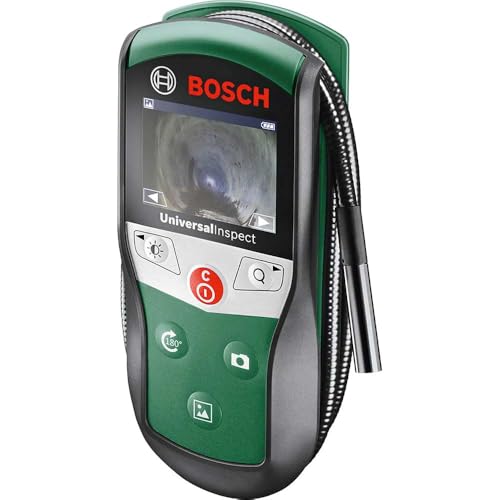
- 2.31-inch color LCD with three LED brightness modes
- IP67 camera head and cable
- MicroSD recording support and included tip tool set
Best For: Routine, compact inspections in damp or dirty areas
Four-Way Pro
ROVE RS4 Articulating Borescope

- Four-way 360° steering with a slim 6.2mm probe
- 1080p video, 4.3-inch IPS screen, and dual lighting
- IP67 oil-resistant probe with temperature shutdown
Best For: Professional automotive, HVAC, plumbing, and narrow-access inspections
Simple Inspection Value

- IP67 8mm camera head with 0.95m cable
- Adjustable LEDs, zoom, and 180° image rotation
- Includes hook, magnet, mirror, case, and batteries
Best For: Occasional home, DIY, automotive, and appliance inspections
Precision Reach
Slim 4-Way Articulating Borescope

- 6.2mm probe reaches tight spaces
- Four-way 180° articulation
- 4.3-inch screen with 4X zoom
Best For: Tight engine, pipe, and HVAC inspections
Versatile View
Dual-Lens 2-Way Inspection Camera

- Front and side camera switching
- 210° articulation with angle coverage
- 1080p display and IP67 waterproofing
Best For: Automotive, plumbing, HVAC, and pipe work
Long-Reach Coverage
10FT Dual-Lens Articulating Borescope

- 10-foot semi-rigid inspection cable
- Dual-screen front and side views
- 5-inch 1080p display with audio recording
Best For: Deep engine, duct, pipe, and machinery inspections
Articulation Advantage

- 220° two-way steering with an 8.5mm probe
- 1080p 4.3-inch IPS display and adjustable LEDs
- IP67 probe with hook, magnet, mirror, and case
Best For: Close automotive, HVAC, plumbing, and mechanical inspections
Professional Coverage

- 360° rotation and 210° flexion via joystick
- Dual cameras with front and side viewing
- 6-inch 1080p screen and 6000mAh battery
Best For: Professional inspections requiring maneuverability and documentation
Compact Dual View
Teslong TF550 Dual-Lens Borescope

- Four-way joystick control with 360° rotation
- Front and side cameras with 7 total LEDs
- 5-inch 1080p display and 32GB recording card
Best For: Compact automotive, machinery, plumbing, and general inspections
Articulation Specialist – Teslong Articulating Borescope
For premium underbody inspection cameras that need to reach awkward spaces, the Teslong combines two-way articulation with a shape-holding 5-foot gooseneck. Its 4.5-inch IPS display, 1080p video, built-in lighting, and app-free operation make it practical for automotive, HVAC, and general inspection work.
Best For: Mechanics and inspectors working around tight automotive, HVAC, wall, and household spaces.
Pros:
- Two-way 210° articulation and a semi-rigid 5-foot probe improve maneuverability.
- 4.5-inch IPS screen provides sharp viewing in bright or dim conditions without an app.
- Adjustable LED illumination, IP67 waterproofing, 1080p video, and included 32GB microSD storage.
- Centrally placed joystick supports one-handed operation.
Cons:
- Two-way articulation offers less directional control than four-way models.
- Its 2MP camera and 1.5x digital zoom may be limiting for highly detailed documentation.
The Teslong is a capable premium option when probe control, screen quality, and comfortable handling matter more than four-way steering. Its included storage and carrying case also make it ready for field inspections.
Compact Bosch Choice – Bosch INS1 Inspection Camera
The Bosch INS1 is a straightforward choice among premium underbody inspection cameras for users who want a compact, no-frills inspection tool. It pairs a 2.31-inch color LCD with adjustable LED brightness and an IP67-rated camera head and cable.
Best For: Basic automotive, maintenance, and general-purpose inspections where compact handling is a priority.
Pros:
- IP67 dustproof and waterproof camera head and cable suit damp or dirty inspection areas.
- Three LED brightness modes help adjust visibility to the working environment.
- Supports saving images and video to a separately purchased microSD card.
- Includes a carrying bag and tip tool set.
Cons:
- Its 2.31-inch display and 360p video resolution are modest for detailed documentation.
- MicroSD storage is sold separately.
- Fixed focus and unspecified probe length may limit some specialized inspections.
The INS1 emphasizes simple operation and Bosch build familiarity rather than advanced articulation or high-resolution imaging. It is best suited to routine checks where portability and water resistance matter most.
Four-Way Pro – ROVE RS4 Articulating Borescope
For demanding premium underbody inspection cameras, the ROVE RS4 stands out with four-way 360° articulation and a slim 6.2mm probe. Its 1080p display, dual lighting, temperature protection, replaceable battery, and included recording card give it a well-equipped inspection setup.
Best For: Automotive technicians, HVAC professionals, plumbers, and inspectors who need precise steering in narrow or complex spaces.
Pros:
- Four-way 360° articulation provides broader directional control than two-way designs.
- 6.2mm, 1.6m semi-rigid probe reaches narrow passages while holding its shape.
- 4.3-inch IPS screen, 1080p video, eight lights, and four-level dimming support clear viewing.
- IP67, oil-resistant probe includes high-temperature alarm and automatic shutdown.
Cons:
- The larger feature set may be more than casual DIY users need.
- The 1.32-pound unit is less minimal than a basic inspection camera.
The RS4 is the strongest fit here for complex access and directional control. Its replaceable 5000mAh battery, included 32GB card, and one-year US-based warranty further support extended field use.
Simple Inspection Value – Bosch UniversalInspect Camera
The Bosch UniversalInspect is a practical entry point for premium underbody inspection cameras when basic viewing and accessory flexibility matter more than high-resolution imaging. It offers a 2.31-inch display, 8mm camera head, adjustable LEDs, image rotation, and useful hook, magnetic, and mirror attachments.
Best For: Homeowners and DIY users handling routine automotive, appliance, wall, and pipe checks.
Pros:
- IP67-rated camera head and cable resist dust and liquid exposure.
- Four LEDs, adjustable illumination, three zoom levels, and 180° image rotation improve usability.
- Includes hook, magnetic tip, mirror tip, carrying case, and four batteries.
- Can store photos internally or use a 4–32GB FAT32 microSD card.
Cons:
- 320 × 240 resolution is limited for fine details and professional documentation.
- The 0.95m cable is shorter than the probes on the more advanced models.
- The camera provides 180° rotation rather than full directional articulation.
The UniversalInspect favors simplicity, compact storage, and accessory versatility. It is a sensible choice for occasional inspections, but users needing long reach, sharper video, or advanced steering should consider a newer articulating model.
Precision Reach – Slim 4-Way Articulating Borescope
For premium underbody inspection cameras, the Ralcam F6 emphasizes precise maneuvering in confined areas. Its 6.2mm probe, four-way articulation, semi-rigid cable, built-in display, and onboard recording support make it practical for automotive, pipe, and HVAC inspections.
Best For: Mechanics and technicians who need a slim probe for spark-plug holes, engine spaces, pipe elbows, and other tight access points.
Pros:
- Four-way 180° articulation helps navigate around awkward angles.
- 6.2mm probe and 6.6-foot semi-rigid cable balance access with positioning control.
- 4.3-inch IPS screen, 4X zoom, 180° image rotation, and adjustable LEDs support clearer viewing.
- Includes a 32GB memory card and overheat protection that shuts down above 90°C.
Cons:
- The display is smaller than the 5-inch screen on some competing models.
- The cable is shorter than a 10-foot inspection scope.
Choose this model when probe slimness and four-direction control matter more than maximum cable reach. The IP67 camera lens and rechargeable battery add useful flexibility for demanding inspection work.
Versatile View – Dual-Lens 2-Way Inspection Camera
This Acoath model is a practical choice among premium underbody inspection cameras when switching viewpoints quickly is important. Its dual-lens design, 210° articulation, 1080p capture, and 5-foot semi-rigid cable help inspect wet, cramped, and hard-to-see areas without relying on a phone.
Best For: Automotive repair, HVAC, plumbing, wall, and pipe inspections where front and side views are useful.
Pros:
- Front and side cameras can be switched with one button for broader coverage.
- 210° two-way articulation provides a 420° range of motion.
- 4.3-inch IPS display, 1080p capture, and eight LEDs with four brightness levels support detailed viewing.
- Includes a 32GB card, protective case, magnet, hook, mirror, and 24-month warranty.
Cons:
- The 5-foot cable offers less reach than longer inspection scopes.
- The 0.33-inch probe is not as slim as the 6.2mm probe in the Ralcam F6.
Its strongest advantage is viewpoint flexibility: the dual-lens system reduces the need to reposition the probe. The IP67 waterproof rating and included accessories make it a well-equipped option for varied maintenance tasks.
Long-Reach Coverage – 10FT Dual-Lens Articulating Borescope
For deep-access jobs, the Ralcam N5 stands out among premium underbody inspection cameras with its 10-foot semi-rigid cable and dual-view design. A 5-inch 1080p screen, dual-screen mode, angle lock, and audio recording support extended inspections in engines, ducts, pipes, and machinery.
Best For: Technicians who need long reach and stable probe positioning for deep automotive, HVAC, plumbing, and industrial inspections.
Pros:
- 10-foot semi-rigid cable reaches farther into engines, pipes, and ducts.
- Two-way 210° articulation with angle lock helps hold the selected viewing position.
- Dual-screen mode can show front and side views simultaneously.
- 5-inch 1080p screen, 8X magnification, audio recording, and rechargeable replaceable battery support detailed documentation.
Cons:
- The long cable should be straightened before use, according to the supplied guidance.
- Two-way articulation provides less directional control than a four-way design.
This is the most suitable pick when access depth and documentation features take priority. Its long cable and angle lock are particularly useful for inspections where repeatedly repositioning a probe would be inconvenient.
Articulation Advantage – DXZtoz 220° Two-Way Borescope
For buyers comparing premium underbody inspection cameras, this DXZtoz model stands out for its two-way articulation and compact 8.5mm probe. The control wheel helps steer around obstacles, while the built-in screen avoids the need for an app or phone.
Best For: Automotive, HVAC, plumbing, and mechanical inspections where controlled steering and close-up viewing are important.
Pros:
- 220° two-way articulation helps navigate bends and obstacles.
- 1080p display, 2MP camera, 8× digital zoom, and adjustable LED lighting.
- IP67 waterproof, oil-resistant probe with a 4.3-inch IPS monitor.
- Includes hook, magnet, side mirror, 32GB card, and protective case.
Cons:
- Two-way articulation is less flexible than four-way systems.
- The 8.5mm probe may not fit the narrowest access points.
- The supplied details list both 4-hour and 5-hour battery estimates.
This is a practical choice when you need reliable steering, onboard viewing, and useful retrieval accessories without adding a smartphone setup. Its short 1–15cm focal range is particularly suited to close inspection work.
Professional Coverage – Teslong TF600 4-Way Borescope
Among premium underbody inspection cameras, the Teslong TF600 is designed for detailed work where probe control and documentation matter. Its joystick-operated four-way articulation, dual cameras, and large 6-inch display support inspections from multiple angles without extensive disassembly.
Best For: Professional mechanics, industrial maintenance, and demanding inspections that benefit from long battery life and recorded notes.
Pros:
- 360° rotation and 210° flexion provide broad probe maneuverability.
- Dual 1MP cameras and 6+1 adjustable LEDs support front and side viewing.
- 6-inch 1920×1080 IPS screen and 6000mAh rechargeable battery.
- Records photos, video, and audio to the included 32GB microSD card.
Cons:
- At 1.25kg, it is relatively substantial for extended handheld use.
- The listed still-image resolution is 1MP.
- Its professional feature set may be more than needed for occasional household checks.
The TF600 is the strongest fit here for users prioritizing reach, viewing flexibility, and inspection records. Its rugged monitor construction, waterproof rating, carrying case, and 12-month warranty further suit regular jobsite use.
Compact Dual View – Teslong TF550 Dual-Lens Borescope
This Teslong TF550 offers a compact alternative for shoppers seeking premium underbody inspection cameras with flexible viewing. Its four-way joystick control, dual-lens probe, and 5-inch display help inspect machinery, vehicle components, pipes, and other confined areas.
Best For: Users who want front-and-side inspection views, onboard recording, and a smaller monitor for automotive and general maintenance work.
Pros:
- 360° rotation and 210° bending provide precise four-way control.
- Dual 1MP cameras switch between front and side views.
- Six front LEDs and one side LED improve illumination in dark spaces.
- Includes 1080p recording, audio notes, 32GB card, hook, magnet, and case.
Cons:
- The 3000mAh battery is smaller than the TF600’s 6000mAh battery.
- The 5-inch screen is smaller than the 6-inch display on the TF600.
- The supplied specifications list 1MP still-image resolution.
The TF550 balances four-way maneuverability and dual-view coverage in a comparatively compact kit. Its 1cm-to-infinity focus range is useful when inspection distances vary, while the included accessories support both diagnosis and retrieval tasks.
How We Picked These Premium Underbody Inspection Cameras
We focused on cameras that offer more than a basic fixed borescope. Selection criteria included probe diameter, articulation range, image quality, built-in lighting, display usability, cable reach, durability, and features that make automotive inspection easier. Dual-lens models received particular attention because they can provide forward and side-facing views without repeatedly repositioning the probe.
We also considered practical details such as screen size, recording support, included accessories, battery requirements, and water or dust resistance. Specifications can vary by seller and package, so confirm the exact configuration before ordering.
Quick Comparison
| Feature | Why It Matters |
|---|---|
| Probe diameter | Smaller probes reach narrower gaps and openings. |
| Articulation | Directional control helps you look around obstructions. |
| Dual or multiple cameras | Provides broader visibility with less repositioning. |
| Screen and resolution | A clear display makes cracks, leaks, and debris easier to identify. |
| Probe length | Determines how far into an engine bay, chassis, wall, or duct you can inspect. |
| Ingress protection | Useful when working around moisture, oil, dirt, or automotive fluids. |
Key Buying Factors for Premium Underbody Inspection Cameras
Probe Size and Reach
Choose the narrowest probe that still offers the camera quality and durability you need. A longer cable is helpful for frame rails and exhaust routing, but excessive length can be harder to control in confined spaces.
Articulation and Camera Coverage
Two-way articulation is suitable for many routine inspections, while four-way or 360-degree articulation gives greater control around suspension parts and concealed surfaces. Dual-lens designs are valuable when both the target ahead and the surrounding area matter.
Image Quality, Lighting, and Controls
Higher stated resolution does not guarantee a better image, but it can help when inspecting small defects. Adjustable LEDs, screen brightness, image rotation, and simple recording controls are often more useful than resolution alone.
Durability and Convenience
Look for a flexible, semi-rigid probe, a comfortable handheld display, replaceable or rechargeable power, and an IP-rated camera head when inspections may involve moisture or grime. A hook, mirror, magnet, case, and memory card can also improve day-to-day usefulness.
Who Should Buy Which Premium Underbody Inspection Cameras?
For professional mechanics: prioritize four-way articulation, dual-lens coverage, a durable probe, and a bright dedicated screen. These features reduce inspection time across repeated jobs.
For serious DIY automotive work: a two-way or four-way articulating model with 1080p-class imaging and recording support offers a strong balance of control and cost.
For narrow access points: choose a slim probe, especially when inspecting behind trim, through small service openings, or around crowded engine components.
For occasional household and vehicle use: a simpler Bosch or Teslong inspection camera may be easier to operate and sufficient for locating blockages, leaks, wiring, or loose parts.
Before purchase, match the camera’s probe diameter, reach, articulation, and power system to your most restrictive inspection area. The best model is the one that can physically reach the target while giving you enough control and visibility to diagnose it confidently.