Choosing a mini pc for music production is about more than raw speed. You need stable performance, fast storage, enough RAM, and quiet operation so your sessions stay smooth from recording to mixing.
Below, we focus on compact systems that make sense for DAWs, virtual instruments, and everyday studio work, with an eye on value, expandability, and the features musicians actually use.
Best 10 Mini PC for Music Production Picks for 2026
Best for Multi-Display Projects
BOSGAME P4 Ultra Ryzen 7 Mini PC

- 8-core Ryzen 7 7730U handles DAW multitasking well
- 1TB NVMe SSD and 16GB RAM suit everyday studio work
- Triple-display support and dual 2.5G LAN add flexibility
Best For: Music producers who want a compact, well-connected mini PC for everyday studio work and multitasking.
Best for Connectivity
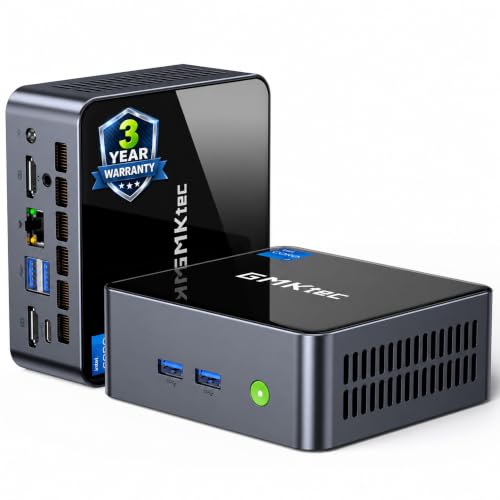
- Core i7-1185G7 keeps DAW tasks moving smoothly
- USB4, WiFi 6, and 2.5G Ethernet add studio flexibility
- 16GB RAM/512GB SSD is a solid starter config for music work
Best For: Producers who want a compact, well-connected mini PC for light-to-moderate music production.
Best for AI-Enhanced Audio Capture
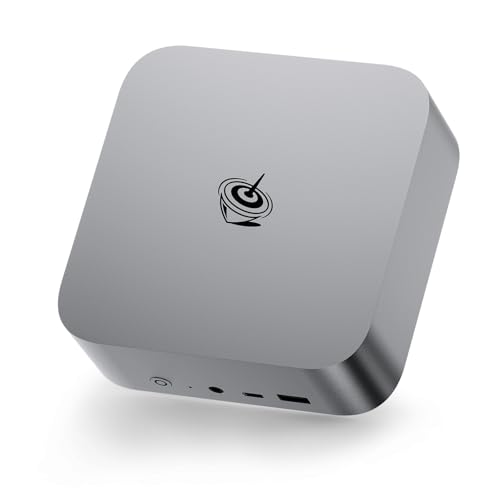
- Ryzen AI 9 HX 370 for demanding DAWs and plugin chains
- Quiet cooling suits recording and mixing sessions
- USB4, 2.5GbE, and Wi‑Fi 6 support flexible studio setups
Best For: Producers who want a compact, high-performance workstation for recording, mixing, and AI-assisted workflows.
Best for Heavy Multitasking

- Ryzen 9 7940HS with DDR5 for demanding DAWs and plugins
- 1TB Gen4 SSD with upgradeable RAM and storage
- Dual USB4 and dual HDMI for tidy studio multi-monitor setups
Best For: Producers and home-studio users who want a compact, upgradeable Windows mini PC with strong multitasking performance.
Best for Compact Budget Setups

- 12GB LPDDR5 RAM plus 500GB SSD
- Dual 4K HDMI for multi-monitor workflows
- Compact, low-power design with WiFi 6 and 2.5GbE
Best For: Bedroom studios and budget-conscious producers who need a small Windows PC for light music production.
Best for Triple-Display Workflows

- Ryzen 4300U handles DAWs and multitasking better than entry-level chips
- 16GB RAM and 512GB SSD are a practical starting point for music work
- Triple 4K display support helps organize plugins, tracks, and tools
Best For: Producers who want a compact, budget-friendly mini PC for home studio multitasking and multi-monitor setups.
Best for Dual-Display Home Studios

- Ryzen 5 5500U offers dependable DAW performance
- 16GB RAM and NVMe SSD support smooth everyday use
- Dual HDMI suits multi-monitor music workflows
Best For: Home producers who want a compact, quiet workstation with dual-monitor support.
Best for Quiet, Compact Setups
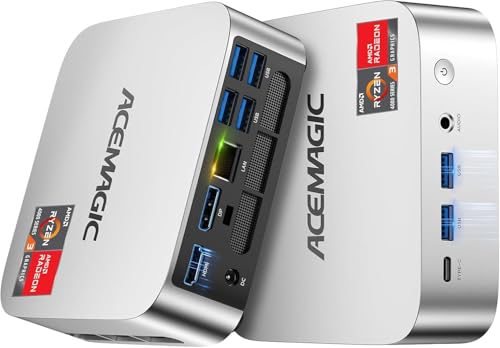
- Ryzen 4300U is a step up from basic entry-level mini PC chips
- 16GB RAM + 512GB SSD handles DAWs and everyday studio multitasking
- Quiet, compact design suits small desks and low-distraction rooms
Best For: Bedroom producers and home studio users who want a small, quiet Windows PC for recording and editing.
Best for Multi-Display Projects – BOSGAME P4 Ultra Ryzen 7 Mini PC
If you want a compact machine that can handle a mini pc for music production while also giving you plenty of connectivity, the BOSGAME P4 Ultra is a practical midrange option. Its Ryzen 7 7730U, dual-channel memory, and fast NVMe SSD make it suitable for running a DAW, sample libraries, and everyday multitasking without taking over your desk.
Best For: Producers who want a compact desktop with strong multitasking, dual 2.5G LAN, and triple-display support for a busy studio setup.
Pros:
- Ryzen 7 7730U offers 8 cores and 16 threads for smooth DAW and plugin workloads
- 16GB RAM and 1TB SSD give you a solid start for projects, samples, and fast load times
- Triple 4K display output helps with multi-window music workflows
- Dual 2.5G LAN plus Wi-Fi 6E add flexible, stable connectivity
Cons:
- 16GB RAM may feel limiting for larger orchestral templates or heavy sample libraries
- Integrated graphics are fine for studio use, but not ideal for demanding gaming
As a mini pc for music production, this BOSGAME model stands out more for balance than raw power: it has enough CPU muscle for moderate sessions, fast storage, and strong I/O, but serious composers may still want to upgrade memory for heavier projects.
Best for Connectivity – GMKtec M2 Pro S i7 Mini PC
If you want a mini pc for music production that can handle DAW sessions, plugin chains, and multiple peripherals without feeling cramped, the GMKtec M2 Pro S is a strong compact option. Its 11th-gen Core i7, 16GB of RAM, and fast NVMe SSD make it a practical pick for home studios that need responsive everyday performance.
Best For: Producers who want a compact studio PC with strong wired and wireless connectivity, plus enough power for light-to-moderate music production.
Pros:
- Core i7-1185G7 and Iris Xe graphics offer solid everyday DAW performance
- USB4, WiFi 6, 2.5G Ethernet, Bluetooth 5.2, and multiple display outputs
- 16GB RAM and 512GB NVMe SSD provide a good starting point for studio work
- Compact design saves desk space in tight recording setups
Cons:
- 16GB RAM may feel limiting for large sample libraries or heavy orchestral projects
- Storage may need expansion if you keep lots of instruments and sessions locally
For a mini pc for music production, this model stands out more for flexibility and connectivity than raw workstation muscle. It’s a smart fit if you need a small, efficient machine for recording, editing, and moderate plugin use, but power users may still want to upgrade the memory and storage soon after purchase.
Best for AI-Enhanced Audio Capture – Beelink SER9 Pro AI Mini PC
If you want a mini pc for music production that can also handle modern AI-assisted workflows, the Beelink SER9 Pro brings serious headroom in a very small footprint. Its Ryzen AI 9 HX 370, fast LPDDR5X memory, and PCIe 4.0 SSD make it a strong fit for DAWs, sample libraries, plugins, and multitasking, while the quiet cooling design helps keep recording sessions distraction-free.
Best For: Producers who want a compact, high-performance workstation for recording, mixing, and AI-accelerated creative tasks.
Pros:
- Ryzen AI 9 HX 370 offers strong CPU performance for plugins, virtual instruments, and multitrack sessions
- Quiet 32dB cooling is a good match for home studios and close-mic recording environments
- Built-in mic and dual speakers add convenience for quick monitoring, calls, or voice commands
- USB4, 2.5GbE, Wi‑Fi 6, and multiple display outputs make it flexible for a studio desk setup
Cons:
- 32GB RAM is fixed, so future memory upgrades are limited
- Built-in speakers are handy but won’t replace proper studio monitors
- More power than many casual users need, which may push up the price
For a mini pc for music production, this Beelink stands out when you want performance, quiet operation, and extra smart-audio features in one compact machine. It is especially appealing if you also dabble in content creation, AI tools, or multi-display workflows.
Best Budget Expandability – KAMRUI Essenx E1 Mini PC
The KAMRUI Essenx E1 is a practical mini pc for music production if you need a compact workstation for recording, editing, and running lighter DAWs without spending too much. Its AMD 3150U chip, 8GB RAM, and SSD make it a solid entry-level option for simple project sessions, plug-ins, and day-to-day studio tasks.
Best For: Bedroom producers, home studios, and budget-minded buyers who want a quiet, expandable mini desktop for basic music work.
Pros:
- AMD 3150U performance is strong for the price and handles light creative work smoothly
- 8GB RAM and 256GB SSD with room to expand storage up to 2TB
- Dual 4K outputs, Wi-Fi, Bluetooth, Ethernet, and plenty of USB ports
- Quiet cooling and 24/7-ready design suit a small studio setup
Cons:
- 8GB RAM may feel limiting for larger sample libraries and heavier sessions
- Not ideal for demanding plug-in chains or high track-count projects
- Integrated graphics are fine for studio use, but not a major performance advantage
For a mini pc for music production, this KAMRUI model makes sense when portability, low cost, and upgrade potential matter more than raw horsepower. It is best viewed as a capable starter studio PC rather than a machine for large orchestral templates or pro-level mixing workloads.
Best for Heavy Multitasking – GEEKOM A7 MAX Ryzen 9 Mini PC
If you want a compact machine that can handle serious sessions without taking over your desk, this mini pc for music production is built around a fast Ryzen 9 7940HS, DDR5 memory, and a 1TB Gen4 SSD. It’s a strong fit for running DAWs, virtual instruments, sample libraries, and a busy multitasking workflow in a small footprint.
Best For: Producers, home-studio users, and creators who want a compact Windows 11 Pro desktop with strong CPU performance and easy expansion.
Pros:
- Ryzen 9 7940HS and DDR5 memory help with low-latency music production and heavy multitasking
- 1TB PCIe Gen4 SSD plus expandable storage and RAM for larger sample libraries
- Dual USB4 and dual HDMI support clean multi-monitor studio setups
- Quiet cooling design is a plus for long recording and editing sessions
Cons:
- Integrated graphics are more than enough for audio work, but not a reason to buy it if you only need basic office use
- Higher-end specs may be more than necessary for very light projects
For a mini pc for music production, the A7 MAX stands out because it prioritizes CPU speed, fast storage, and upgrade headroom rather than flashy extras. That makes it a practical choice if you want a small desktop that can stay responsive as your sessions get larger.
Best for Compact Budget Setups – Beelink MINI S13 N150 Mini PC
If you need a mini pc for music production that keeps costs and desk clutter low, the Beelink MINI S13 is a practical entry-level option. Its Intel N150 chip, 12GB of LPDDR5 memory, and 500GB SSD give you enough headroom for light DAW sessions, editing, sample browsing, and everyday multitasking without taking up much space.
Best For: Bedroom studios, portable writing rigs, and producers who want a small, quiet Windows mini PC for basic recording and beat-making.
Pros:
- 12GB LPDDR5 RAM and 500GB SSD are solid for modest music-production workloads
- Dual HDMI outputs make it easy to run multiple monitors for your DAW and plugins
- Compact case with efficient cooling helps it fit cleanly into small studio setups
- WiFi 6, 2.5GbE, and plenty of USB ports support modern peripherals and audio gear
Cons:
- N150 processor is better for light production than large track counts or heavy virtual instruments
- Integrated graphics and basic hardware make it less suited to demanding creative workloads
- Only 12GB RAM may feel limiting as projects grow more complex
For a budget-friendly mini pc for music production, this Beelink stands out more for efficiency and space-saving convenience than raw power. It makes the most sense if you mainly record, arrange, and mix smaller projects and want a simple Windows box that stays out of the way.
Best for Triple-Display Workflows – KAMRUI Pinova P2 Mini PC
If you want a mini pc for music production that can also handle a busy creative workspace, the KAMRUI Pinova P2 is a solid value pick. Its Ryzen 4300U, 16GB RAM, and 512GB SSD give you enough headroom for DAWs, sample libraries, browser tabs, and everyday multitasking without feeling sluggish.
Best For: Producers who want a compact, affordable desktop with enough power for home studios, light editing, and multi-monitor setups.
Pros:
- Ryzen 4300U offers stronger multitasking than entry-level N95 and i3-class mini PCs
- 16GB RAM and 512GB SSD provide a good starting point for DAW use and fast loading
- Triple 4K display support is great for arranging plugins, timelines, and reference windows
- Compact design keeps your studio desk cleaner and easier to organize
Cons:
- Integrated graphics are fine for production work but not ideal for heavy gaming or GPU tasks
- LPDDR4 memory is not as upgrade-friendly as some larger desktop systems
- Best suited to light-to-moderate projects rather than huge orchestral templates
For a mini pc for music production, the P2 makes sense if you want a small, quiet-ish machine with enough everyday performance and flexible display support to run a tidy home studio setup.
Best for Dual-Display Home Studios – Beelink EQR5 Ryzen 5 Mini PC
If you need a compact, affordable mini pc for music production, the Beelink EQR5 gives you a Ryzen 5 5500U, 16GB of RAM, and a fast NVMe SSD in a tiny footprint. It has enough headroom for recording, editing, and running typical DAWs and plug-ins, while the dual HDMI outputs make it easy to keep your session and mixer views on separate screens.
Best For: Home producers who want a quiet, space-saving workstation with dual-monitor support and solid everyday DAW performance.
Pros:
- 6-core/12-thread Ryzen 5 5500U handles light to moderate music projects well
- 16GB RAM and a 480GB NVMe SSD are a strong starting point for studio work
- Dual HDMI outputs are useful for split-screen mixing and tracking setups
- WiFi 6, Bluetooth 5.2, and multiple USB ports add flexible connectivity
Cons:
- Not ideal for very large orchestral templates or heavy real-time plugin chains
- Storage and memory may need upgrading as your library grows
- Only a single USB-C data port, so some studios may want a hub
For a compact mini pc for music production, the EQR5 is appealing because it balances speed, quiet operation, and useful display support without taking over your desk. It is a practical pick if you want a lean studio PC that can grow with a modest home setup.
Best for Powerful DAW Multitasking – KAMRUI P2 Mini PC
If you want a compact mini pc for music production that can handle DAWs, plugins, sample libraries, and everyday office work without taking over your desk, the KAMRUI P2 is a strong value pick. Its 12-core i5-12600H-class processor and 16GB of RAM make it a sensible option for lighter to moderate audio sessions, especially if you care more about speed and small size than desktop-grade expandability.
Best For: Bedroom producers, home studio users, and anyone who wants a compact Windows machine for recording, editing, and mixing with a clean desk setup.
Pros:
- 12-core, 16-thread CPU gives it solid headroom for DAWs and plugin stacks
- Compact mini-PC design helps reduce cable clutter in a studio space
- 6 USB 3.2 ports plus USB-C make it easier to connect audio gear and peripherals
- Wi‑Fi 6, Bluetooth 5.2, HDMI, and DisplayPort support a flexible workspace
Cons:
- 16GB RAM is fine for many projects, but heavy orchestral or sample-based work may want more
- 512GB storage can fill quickly if you keep large libraries and projects locally
- Not the best choice if you need a fully expandable desktop tower
Overall, the KAMRUI P2 is a practical mini pc for music production if you want strong everyday performance in a small chassis. It’s especially appealing for producers who need a tidy, budget-conscious workstation that can grow a little with future storage upgrades.
Best for Quiet, Compact Setups – ACEMAGIC Ryzen 4300U Mini PC
If you want a mini pc for music production that stays compact without feeling underpowered, this ACEMAGIC model is worth a look. The Ryzen 4300U, 16GB RAM, and 512GB SSD give it a solid baseline for DAWs, plug-ins, sample libraries, and everyday studio multitasking.
Best For: Bedroom producers, home studios, and anyone who wants a quiet, space-saving computer for recording, editing, and light-to-moderate music projects.
Pros:
- Ryzen 4300U offers stronger performance than common low-end mini PC chips
- 16GB RAM and 512GB SSD are a good starting point for music software and files
- Quiet cooling and a small metal chassis help keep the desk clean and distraction-free
- Triple-display support adds flexibility if you also run mixer or plugin windows on multiple screens
Cons:
- Wi‑Fi 5 and Bluetooth 4.2 are serviceable, but not the newest wireless standards
- Integrated graphics are fine for studio work, but not ideal for heavier creative workloads
- May need storage expansion if you keep large sample libraries locally
Overall, this is a practical mini pc for music production if your priority is a small, quiet Windows machine for tracking, mixing, and general studio work. It delivers a sensible balance of speed, storage, and footprint without moving into pricier performance territory.
How We Picked the Best Mini PC for Music Production
For music production, the best compact systems are the ones that can handle real workloads without creating distractions. We prioritized modern CPUs, at least 16GB of memory on most picks, SSD-based storage, and connectivity that works well with audio interfaces, MIDI controllers, external drives, and multiple displays. We also looked for models with practical thermals and quiet chassis designs, since fan noise matters in a studio.
Quick Comparison
In general, higher-end Ryzen 7, Ryzen 9, and newer Intel H-series or efficient Core-class chips are best for larger projects, more plugins, and bigger sample libraries. Midrange systems are a strong fit for songwriting, beat making, podcast editing, and small-to-medium DAW sessions. Entry-level mini PCs can still work for light production, but they are better suited to simpler projects and fewer simultaneous instruments or effects.
Key Buying Factors for a Mini PC for Music Production
CPU Performance
DAWs and plugins benefit from strong single-core speed, while large mixes, rendering, and sample-heavy sessions also need multiple cores. Look for a balanced CPU rather than chasing benchmark numbers alone.
RAM and Storage
16GB is a practical baseline for many creators, while 32GB is safer if you use orchestral libraries, large sample packs, or heavy multitasking. Fast NVMe SSD storage helps reduce load times and keeps projects responsive.
Noise and Cooling
A quiet fan profile is important when recording in the same room. Efficient chips often run cooler and can be a better fit than hotter processors with louder cooling systems.
Ports and Connectivity
Check for enough USB ports for interfaces, controllers, dongles, and drives. Dual-display support can help with arranging your DAW and plugin windows. If you rely on network storage or collaboration, fast Ethernet is a useful bonus.
Upgradability
Some mini PCs allow RAM and SSD upgrades, which can extend the life of your system. That flexibility is especially helpful if your library needs grow over time.
Who Should Buy Which Mini PC for Music Production?
If you mainly record vocals, make beats, or edit podcasts, a midrange mini PC is usually the sweet spot. If you run large plugin chains, score to picture, or load big instrument libraries, step up to a higher-performance model with more RAM and faster storage. If your work is mostly light editing or mobile-friendly production, an entry-level system can still be a smart, space-saving choice.
For most buyers, the best Mini PC for Music Production is the one that stays quiet, supports your peripherals, and has enough headroom to grow with your studio workflow.